

wp:heading
The Unfollow as Feedback
/wp:heading
wp:paragraph
For most brands, the word “unfollow” sounds like a warning. It feels like losing ground, like a quiet sign that something is wrong.
/wp:paragraph
wp:paragraph
But a drop in followers often means more than it seems. Every unfollow carries a reason, and understanding those reasons can reveal powerful insights about audience behavior.
/wp:paragraph
wp:paragraph
People rarely unfollow out of boredom. They do it when tone, content, or values drift from what first attracted them.
/wp:paragraph
wp:paragraph
A smart business learns to read these signals early. In a world where engagement metrics dominate reports, the exit points often tell the real story.
/wp:paragraph
wp:image {“id”:57323,”width”:”700px”,”sizeSlug”:”full”,”linkDestination”:”custom”,”align”:”center”}
/wp:image
wp:paragraph
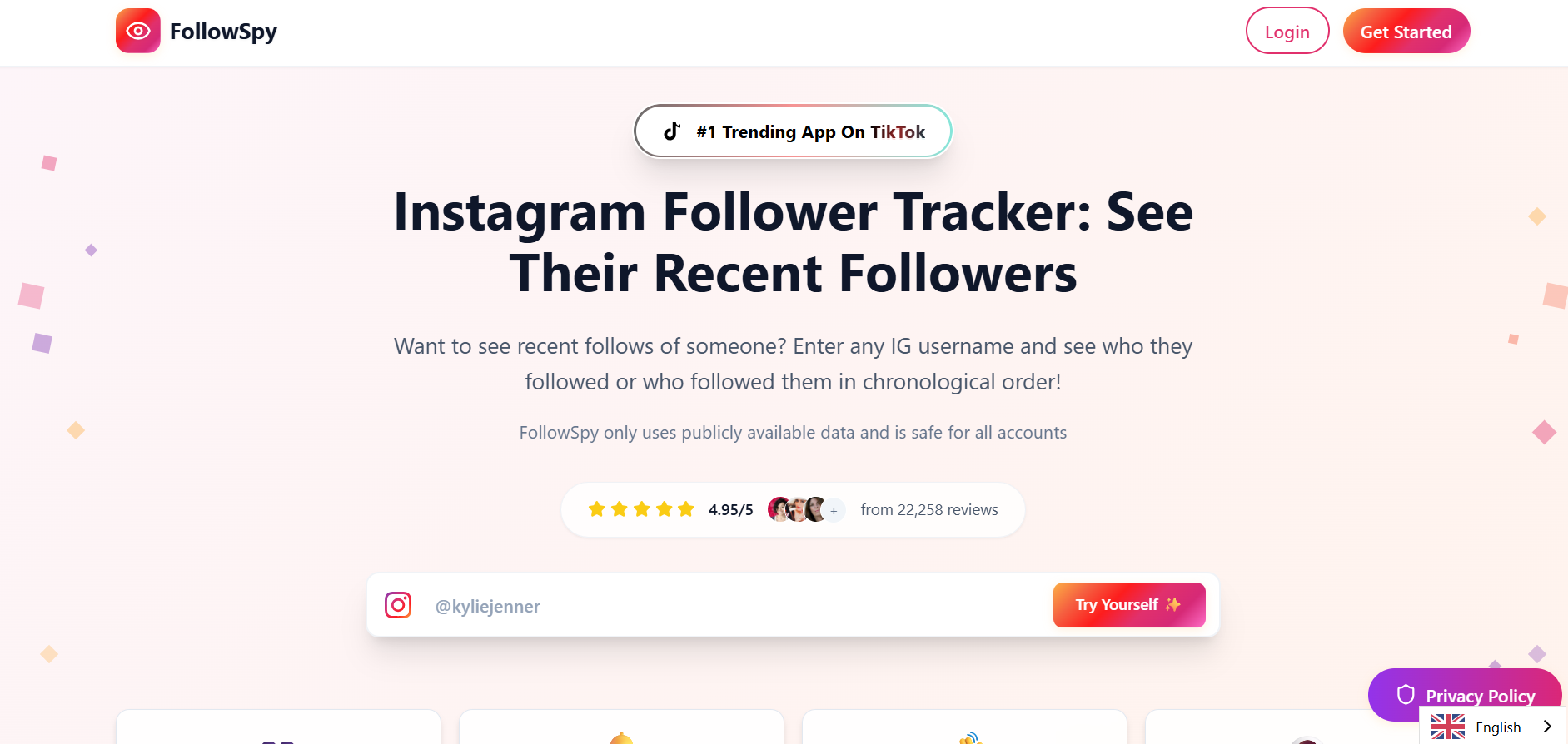
Many marketers now use an Instagram follower tracker to understand these shifts. Tools like FollowSpy.ai help brands see who leaves and when, revealing subtle changes in audience mood.
/wp:paragraph
wp:paragraph
This insight will allow teams to course-correct strategy before disengagement becomes habitual. Instead of signifying defeat when users unfollow, progressive brands see this as feedback, delivered direct, unfiltered, and often times more real than comments.
/wp:paragraph
wp:heading
What Unfollows Reveal About Brand Health?
/wp:heading
wp:paragraph
It is normal for any brand to experience loss of followers at some point in its life cycle. Consumer preferences shift, algorithms change, and new creators come on the scene. The distinction is not in the number of unfollows you experience, but rather the trend.
/wp:paragraph
wp:paragraph
After a scheduling campaign, for example, if you see spikes in unfollows, it could be a good assumption that something did not resonate as you thought it would.
/wp:paragraph
wp:paragraph
If you are losing followers over time, and it is a slow and steady loss over the course of months, it could signal content fatigue or content repetitive-ness. Regardless, time markers are the pulse of the audience’s emotion.
/wp:paragraph
wp:paragraph
A brand’s followers mirror its current story. When the narrative changes, some people naturally step away. A wellness company, for example, might lose long-time followers after shifting from community tips to hard product promotion. A restaurant that focuses more on ads than food photos might see a similar effect.
/wp:paragraph
wp:paragraph
By analyzing unfollow data, businesses can ask better questions. What content lost momentum? What type of tone feels less authentic?
/wp:paragraph
wp:paragraph
What new themes pull in fresh followers while others fade? The answers often lead to smarter creative direction and deeper connection.
/wp:paragraph
wp:heading
How FollowSpy Helps Decode Audience Mood?
/wp:heading
wp:paragraph
Unfollows are emotional data points. They show how people feel about what a brand shares, even when no words are exchanged. The challenge is recognizing those feelings before they spread.
/wp:paragraph
wp:paragraph
FollowSpy provides assistance with that covert reading. It enables brands to identify trends in real-time, illustrating how follower activity adjusts after campaigns, collaborations, or tone alterations.
/wp:paragraph
wp:paragraph
The tool visualizes the covert rhythm of engagement: peaks of interest, slow decay, and then peaks of interest again.
/wp:paragraph
wp:paragraph
For example, a fitness brand may observe spikes in unfollows after sharing its influencer advertisements. Following the spikes, simply easing back into using authentic work like actual customer stories may surround the unfollow, thus giving her more information about tribe and buyer identity.
/wp:paragraph
wp:paragraph
Conversely, a travel company might realize that there is a content misalignment behind every unfollow; i.e., a luxury side for an adventure seeking tribe.
/wp:paragraph
wp:paragraph
The true strength is in perspective. When you view unfollows as an emotional response instead of as an assessment, brands feel that they have regained authority over their story.
/wp:paragraph
wp:paragraph
This is where FollowSpy comes in. It provides the ability to record human-held emotions to the brand, while not being overwhelmed by vanity metrics.
/wp:paragraph
wp:heading
Turning Numbers Into Strategy
/wp:heading
wp:image {“id”:57325,”width”:”700px”,”linkDestination”:”custom”,”align”:”center”}
/wp:image
wp:paragraph
Numbers alone seldom show the complete picture. But loss and growth patterns are incredibly useful in making better choices.
/wp:paragraph
wp:paragraph
When a brand has researched its unfollow trends, the brand will be able to identify danger signals early. An unfollow dip in response to a specific post might signal that the post was mis-timed.
/wp:paragraph
wp:paragraph
A loss of followers after a rebranding effort might be an indicator of a misunderstanding. In context, the patterns of unfollows become a guidebook for refined and intelligent communication.
/wp:paragraph
wp:paragraph
Brands that thrive long-term share a few habits:
/wp:paragraph
wp:list {“ordered”:true}
- wp:list-item
- They monitor emotions, not just engagement. Metrics show activity, but unfollows show sentiment.
- They keep their tone adaptable. The same voice that worked last year might sound stale today.
- They stay curious. Instead of chasing the next viral idea, they ask what truly matters to their community.
- They balance consistency with surprise. Predictability breeds safety, but too much of it leads to fatigue.
- They accept turnover as natural. Some followers leave so new ones can arrive.
/wp:list-item
wp:list-item
/wp:list-item
wp:list-item
/wp:list-item
wp:list-item
/wp:list-item
wp:list-item
/wp:list-item
/wp:list
wp:heading
FAQs
/wp:heading
wp:heading {“level”:3}
Why do brands lose followers even when content quality is high?
/wp:heading
wp:paragraph
Interests change over time. Sometimes the audience changes faster than the brand does. External factors, such as seasonality, trends, and algorithm changes, all contribute to follower counts.
/wp:paragraph
wp:heading {“level”:3}
Can analyzing unfollows really help with growth?
/wp:heading
wp:paragraph
Yes! Unfollows show what content isn’t resonating with the audience. Knowing the trend will inform the adjusting of the message and help retain loyal followers.
/wp:paragraph
wp:heading {“level”:3}
How does FollowSpy help brands understand audience sentiment?
/wp:heading
wp:paragraph
FollowSpy takes visible account follower changes over time and allows brands to observe moments when their audience expands, remains stagnant, or decreases. Additionally, by linking these changes to specific posts or campaigns, marketers can recognize how each post influences mood and engagement levels.
/wp:paragraph
wp:heading {“level”:3}
What’s the safest way to study audience behavior without crossing privacy lines?
/wp:heading
wp:paragraph
The most responsible way to study behavioural investigations is to utilize analytics platforms that use only public data. For example, FollowSpy allows businesses to study trends ethically while focusing on what users opt to publicly project, instead of private data.
/wp:paragraph
wp:heading {“level”:3}
How can audience-tracking data support long-term marketing strategy?
/wp:heading
wp:paragraph
By combining detailed analytics with behavioral insight from tools like FollowSpy, marketing teams can move beyond vanity metrics. They learn how people react emotionally to brand changes, helping shape campaigns that connect on a more genuine level.
/wp:paragraph
wp:heading
Rethinking the Meaning of Unfollow
/wp:heading
wp:paragraph
In digital marketing, an unfollow isn’t failure. It’s a message. It means something shifted in perception, tone, or timing, and that awareness gives brands a chance to grow.
/wp:paragraph
wp:paragraph
When companies treat unfollows as a learning tool, they become more human. They listen, adapt, and evolve with their communities instead of chasing numbers.
/wp:paragraph
wp:paragraph
The healthiest brands understand that loyalty doesn’t come from perfection but from paying attention. An unfollow may look like silence, but for those who learn to read it, it speaks volumes.
/wp:paragraph
