

Web development has evolved beyond static pages and simple databases. Today, the web is a network of connected services, platforms, and experiences that demand speed, flexibility, and scalability.
The traditional approach—where front-end and back-end systems were tightly bound—no longer satisfies the complexity of modern digital needs.
Enter API-centric design, a development philosophy that treats APIs (Application Programming Interfaces) as the foundation rather than an afterthought.
This approach has transformed how websites, mobile apps, and digital ecosystems are built. It enables teams to work faster, integrate seamlessly, and adapt to new technologies without rebuilding from scratch.
The Foundation of API-Centric Design
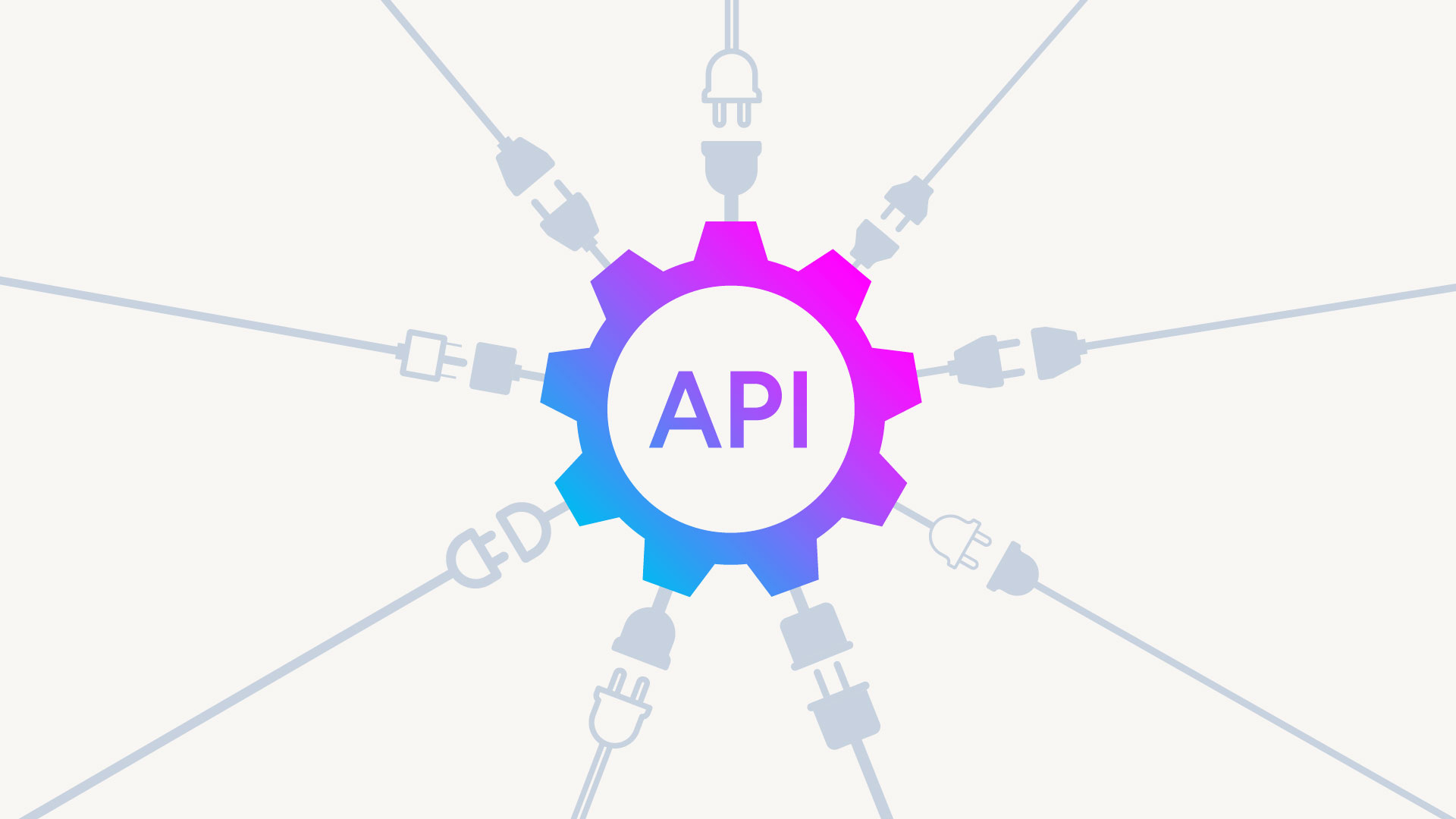
At its core, API-centric design means building every component of a digital product around clear, consistent, and reusable APIs. Instead of constructing isolated systems, developers create APIs that serve as universal connectors between the front end, back end, and third-party services.
Think of APIs as translators. They let different systems communicate without needing to understand each other’s internal language.
For example, your e-commerce site might use one API to handle user authentication, another for payment processing, and yet another for product recommendations. Each API does its job independently but contributes to a unified experience.
This modularity isn’t just efficient—it’s powerful. It gives teams the ability to experiment, innovate, and update individual components without affecting the entire system.
Why Developers Are Moving Away from Monolithic Systems?
In the past, most web applications were built using monolithic architectures. Everything—the user interface, server logic, and database—was bundled together in one massive structure. While that approach worked for simpler projects, it created serious challenges as applications grew.
Updating or scaling a monolith often meant touching every part of the system, leading to downtime, delays, and potential errors. Developers couldn’t easily integrate new tools or respond quickly to user demands.
With API-first design, each feature or service stands alone but connects through well-defined endpoints. This structure allows developers to deploy updates independently, optimize performance, and integrate new technologies without overhauling the entire stack.
The Role of Flexibility and Scalability
One of the biggest advantages of API-centric development is how it supports flexibility. Businesses can connect multiple systems—like CRMs, marketing automation tools, and analytics platforms—without needing custom code for each integration. APIs standardize communication between services, making scaling a smoother process.
When traffic spikes, developers can scale specific APIs to handle the load instead of expanding the whole application. This makes it easier to manage costs and performance simultaneously.
For example, a streaming platform might scale its content delivery API during a live event without affecting its user login system. This modular control is exactly what makes API-centric systems resilient and efficient.

Bridging Front-End and Back-End with Headless Systems
API-first design also paved the way for headless architecture, which decouples the front-end interface from the back-end logic. Instead of relying on a single, unified structure, the front end simply pulls data from APIs provided by the back end.
This approach is increasingly popular in content management. If you’ve ever wondered what is a headless CMS, it’s a content platform that delivers information to any device—website, mobile app, or even smart speaker—through APIs.
Developers love this because it offers complete creative control over design while keeping content management streamlined.
With a headless setup, marketing teams can publish content once and deliver it everywhere, ensuring consistency across digital channels. Meanwhile, developers can focus on building engaging user experiences without worrying about back-end limitations.
Security, Maintenance, and Collaboration Benefits
Beyond performance and scalability, API-centric design strengthens security and teamwork. Each API can be governed by specific authentication methods, such as OAuth or API keys, which restrict access and protect sensitive data.
In terms of maintenance, APIs make it easier to isolate issues. If one service fails, it doesn’t bring the entire application down. Developers can troubleshoot and deploy fixes without interrupting the user experience.
Collaboration also improves dramatically. Front-end and back-end teams can work in parallel, using mock APIs to test functionality before the full system is complete. This agile workflow saves time, reduces errors, and encourages innovation.
According to TechCrunch, companies that adopt API-first development strategies often accelerate their deployment cycles while maintaining better code stability. This shift highlights the growing industry consensus that APIs are not just technical tools—they’re business enablers.
The Broader Impact on Digital Transformation
API-centric design aligns perfectly with the broader wave of digital transformation. Enterprises are increasingly seeking ways to modernize legacy systems, adopt cloud-native solutions, and create more connected customer experiences. APIs make that possible by serving as the glue between old and new technologies.
They enable businesses to integrate with external ecosystems—payment gateways, social media platforms, or data analytics providers—without disrupting their internal systems. This adaptability is crucial for organizations aiming to stay relevant in a fast-paced digital landscape.
Moreover, as AI and automation tools continue to evolve, APIs will play an even greater role in connecting data sources and enabling real-time decision-making.
Looking Ahead: The Future of Web Development
The web’s future is undeniably API-driven. Developers are prioritizing interoperability and modularity over rigid frameworks. This mindset encourages innovation and allows digital products to evolve organically as technologies change.
In the coming years, we can expect to see even more automation in API creation, improved documentation through AI-assisted tools, and stronger standardization across industries. The result will be faster development cycles, more reliable applications, and seamless user experiences.
Conclusion: A New Standard for Building the Web
API-centric design is more than a technical preference—it’s a new way of thinking about how digital systems connect and grow. It empowers developers, enhances scalability, and creates a foundation for innovation that can adapt to whatever the web becomes next.
As businesses continue to demand agility and integration across platforms, API-first architecture will remain at the heart of modern web development. It’s not just redefining how we build—it’s reshaping how the web itself works.
