

Gaming isn’t what it used to be. And honestly? That’s a good thing. The way we interact with our favorite titles has shifted from a simple one-time purchase to a living experience that keeps evolving. Microtransactions sit right at the center of that shift.
But here’s the real question. Why do millions of players actively choose to engage with them?

It’s About the Experience, Not Just the Item
Let’s be real. Nobody buys a new character skin just because it looks cool. Well, most of the time they do. But there’s more going on beneath the surface. Players engage with microtransactions because they deepen the connection to the game itself.
Think about it. You’ve been playing your favorite title for months. You know every map, every strategy, every hidden shortcut.
A fresh cosmetic item or a new battle pass season gives you a reason to come back. It refreshes the experience without changing the core of what you love.
Research shows that player satisfaction with in-game purchases largely depends on perceived value and fairness. When a purchase feels worth it and doesn’t tip the balance, players walk away happy.
The Battle Pass Effect
If you’ve played any popular title in the last few years, you’ve encountered a battle pass. These seasonal content drops have become the backbone of modern game engagement.
They give players a clear set of goals, a timeline to chase them, and rewards that feel earned rather than handed out.
The model works because it taps into something we all feel: the joy of progression. Completing challenges, watching that progress bar inch forward.
It’s satisfying in a way that’s hard to explain unless you’ve done it yourself. Games from Fortnite to Call of Duty refresh their passes regularly, keeping players coming back with genuine enthusiasm.
And here’s what makes it clever. Battle passes encourage daily engagement without pushing aggressive purchases. You buy it once, then the gameplay itself becomes the reward engine.
Social Connection Drives It All
There’s a social layer here that often gets overlooked. Players don’t just buy things for themselves. They buy things to participate in a shared experience.
Limited-time events, collaborative challenges, and team-based cosmetics. These features create moments that players talk about, share on social media, and remember long after the season ends.
This social element shows up across different types of gaming, too. Social casino platforms, for example, are built entirely around community interaction and entertainment.
Web platforms such as BigPirate Social Casino let users enjoy casino-style games with virtual credits, where the fun comes from leaderboards, gifting, and friendly competition. It’s a similar principle: engagement driven by connection, not just content.
Speaking of social dynamics, players who gift virtual items or share rare finds with friends tend to stay engaged far longer. The community aspect creates a feedback loop. You play, you connect, you come back.
How Microtransactions Shape Gameplay (for the Better)?
Microtransactions don’t just exist alongside gameplay. They actively shape it. Developers use data from player preferences to design better content. When a particular cosmetic line performs well, that signals what the community values. The next update reflects those preferences.
In 2026, personalization has become a major trend. Developers analyze play habits to create tailored bundles that match individual interests.
The global microtransaction market was valued at around $62 billion in 2025 and continues to grow, driven largely by this kind of responsive design.
The free-to-play model deserves credit here too. It removed the barrier of entry for millions of players worldwide. You can download a game, play the full experience, and decide on your own terms whether you want to add something extra. That freedom of choice is powerful.
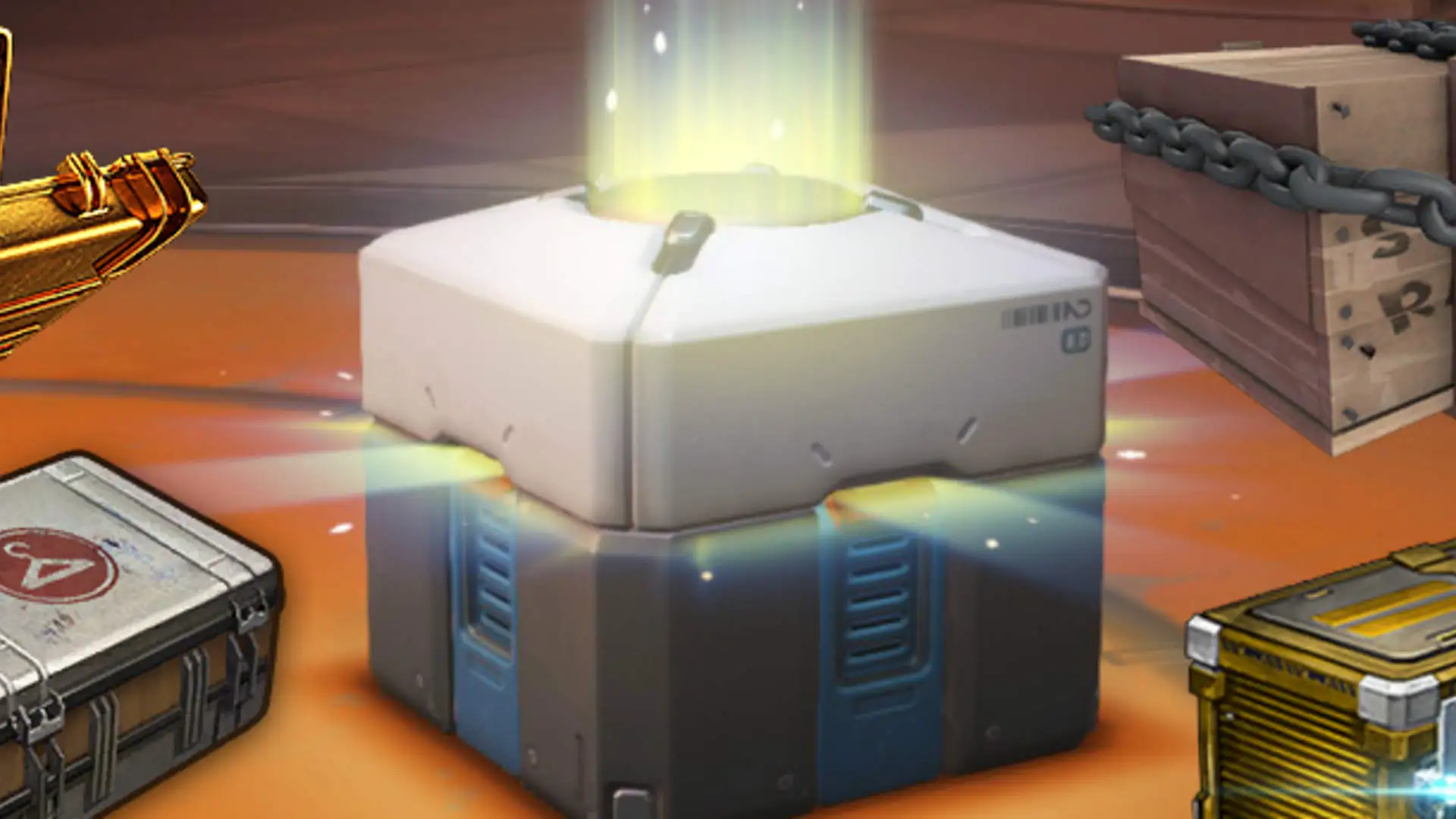
Transparency Is the New Standard
Players in 2026 expect clarity. They want to know exactly what they’re getting before they commit. Studios that offer clear pricing, honest descriptions, and fair value are the ones building loyal communities.
The industry has been moving toward cosmetic-only microtransactions, stepping away from anything that might feel like it gives one player an unfair advantage over another.
This shift toward ethical monetization isn’t just good for players. It’s good for business. When trust is high, engagement follows. Studios that respect their audience see stronger retention.
Where This Is All Heading?
Microtransactions, when done thoughtfully, add layers of enjoyment and personalization that simply weren’t possible a decade ago.
Cross-platform rewards, subscription bundles, and AI-driven content suggestions are all part of a future that puts player satisfaction first.
So the next time you pick up a new skin or start a fresh battle pass, know that you’re shaping the games you love, one choice at a time.
