

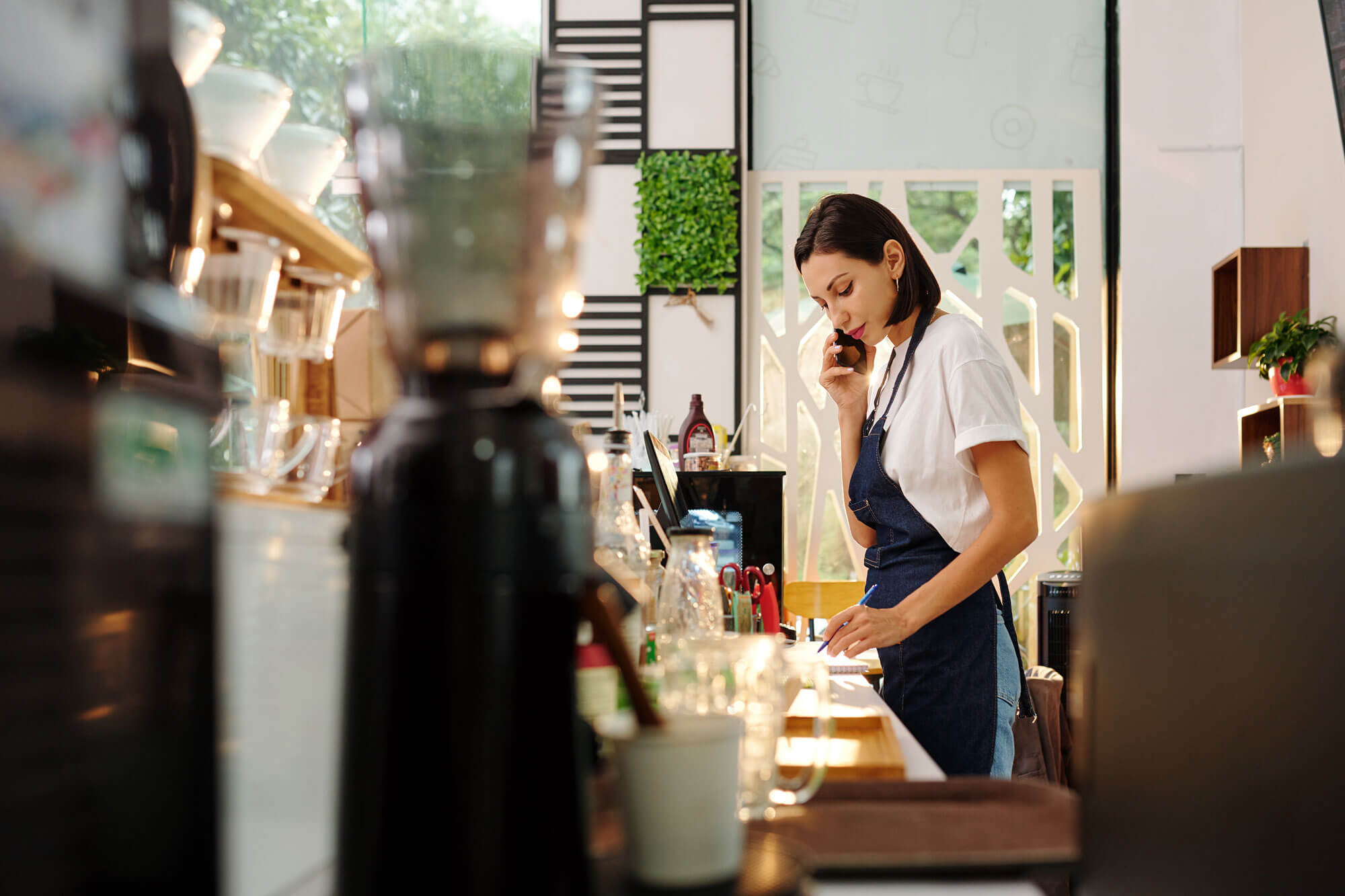
Your phone rings during the dinner rush. Your host is already seating guests. The kitchen is full. Nobody picks up. That caller becomes a missed reservation, and worse, a frustrated potential customer.
This scenario plays out in thousands of restaurants every single day. The problem isn’t that restaurants don’t care about answering phones. It’s that managing calls while running a busy service is genuinely difficult. You’re juggling reservations, walk-ins, special requests, and staff coordination all at once.
The good news? You don’t have to choose between great service and answered calls. Modern solutions exist that can actually work with your operation, not against it.
The Real Cost of Missed Calls
Let’s be honest about what happens when phones go unanswered. Beyond the obvious lost reservation, you’re creating a ripple effect.
That caller might leave a bad review. They’ll definitely book elsewhere next time. They might even tell friends about their experience.
Studies show that roughly 80% of callers won’t leave a voicemail. They simply hang up and move on. In the restaurant business, where margins are thin and competition is fierce, this matters enormously. Every unanswered call is potential revenue walking out the door.
Peak hours make this worse. Friday and Saturday nights are when most people call to book tables, yet these are exactly when your staff is most overwhelmed. You need help during these critical moments, not just a voicemail system that captures messages hours later.
Why Your Current Setup Probably Isn’t Working?
Many restaurants rely on one of three approaches: hope someone’s free to answer, use an outdated answering service that feels impersonal, or implement a phone system so complicated that nobody uses it properly.
Traditional answering services feel corporate and impersonal. Callers can tell they’re talking to someone in a call center who doesn’t know your restaurant. This reflects poorly on your brand and creates friction right from the start.
DIY solutions like having staff manually answer every call work until they don’t. Add one busy Saturday night and your system collapses. You need something reliable that scales with your actual business needs.
What a Modern Solution Should Actually Do
The right approach combines human warmth with reliable availability. Your callers shouldn’t reach a robot. They shouldn’t wait on hold forever either. They need someone who understands restaurants and can handle basic requests like taking reservation details, answering hours, or directing calls appropriately.
A dedicated restaurant phone answering service understands your specific needs. These services are built specifically for food service operations, not generic call centers trying to handle everything. The people answering your phones know restaurant terminology, understand your booking systems, and maintain your brand voice.
The best services integrate with your existing systems, too. They don’t operate in isolation. Information flows between your phone system and reservation platform, so nothing gets lost in translation.
Key Features That Actually Matter
Look for services that offer 24/7 availability. Your restaurant might close at 10 PM, but tomorrow’s bookings matter tonight. Someone should be able to reach you for the next day’s reservations.
Message delivery should be instant or nearly instant. You need to know immediately if someone booked a table or if there’s a dietary restriction to note. Delays mean missed information and frustrated customers.
Custom scripts matter more than you’d think. A generic greeting sounds generic. Your answering service should sound like part of your team, using your specific language and reflecting your restaurant’s personality.
Flexibility is crucial too. You need to adjust availability based on your calendar. Holiday hours, private events, or seasonal closures should all be accommodated without contacting support.
Getting Started with the Right Service
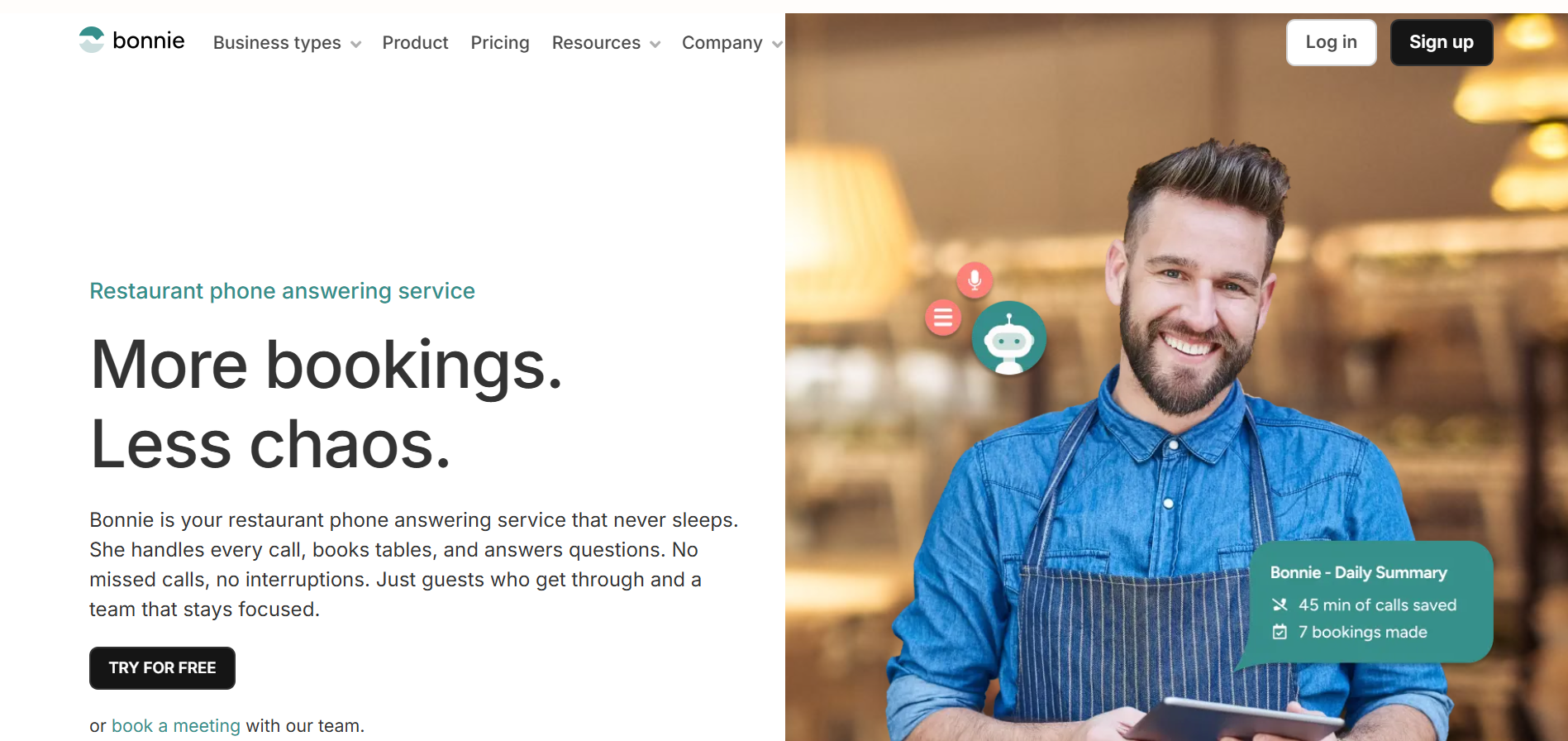
Implementation should be straightforward. Bonnie and similar services designed for restaurants typically get you set up within hours or a day or two, not weeks. You’ll provide details about your business, set your hours and preferences, and start receiving calls almost immediately.
Training your team on how to work with the service matters. Make sure everyone knows that answered calls are being handled professionally. There’s no need for pressure or stress around this piece of the operation anymore.
The data you get back becomes valuable too. You’ll see patterns about when you’re busiest, what questions people ask most frequently, and how your callers are reaching you. This information helps you optimize staffing and marketing over time.
Measuring the Impact
You should see results quickly. Fewer missed calls means more booked tables. Better caller experience means fewer frustrated customers and more positive reviews. The math works out: answered calls convert to revenue.
Many restaurants also find that their staff becomes less stressed. When you know phones are being handled professionally, your team can focus entirely on guest experience in the restaurant. That’s where they add the most value anyway.
The investment typically pays for itself within weeks through recovered reservations alone. Add in the improved reputation and staff morale, and you’re looking at a serious operational win.
Missing calls costs more than people realize. A modern phone answering service designed for restaurants solves this problem without requiring constant internal management.
Your operation runs more smoothly, callers get a better experience, and you capture the revenue you were leaving on the table. That’s the kind of operational improvement that matters.
