

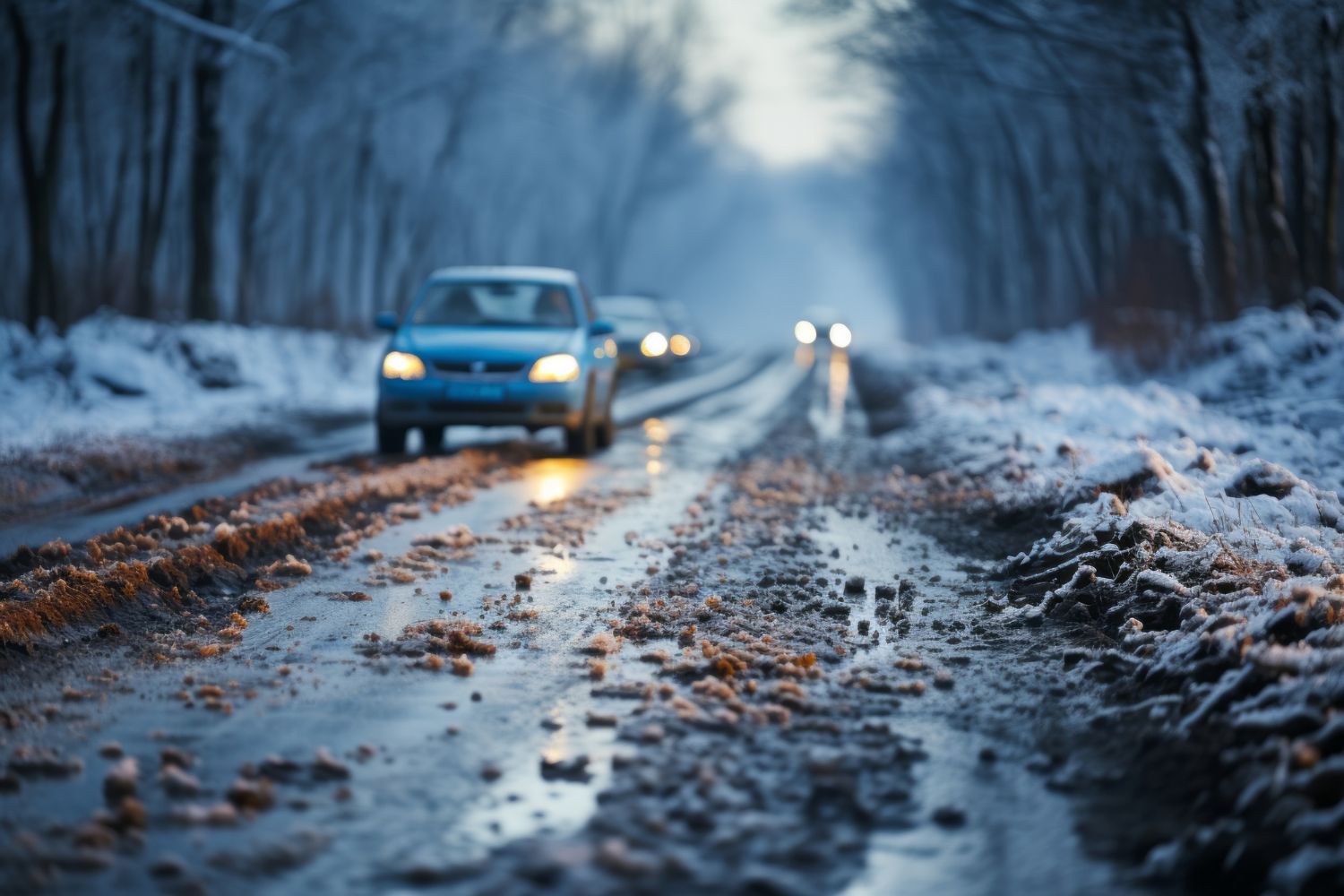
Winter road conditions often create unexpected hazards for holiday travelers, and understanding how to respond after a Christmas car crash can make all the difference in protecting your well-being and your legal options.
The chaos of the season, combined with icy surfaces, often leads to moments when even careful drivers face situations beyond their control.
During these stressful times, many people discover how essential reliable guidance can be, and that is where a trusted professional, such as a car accident lawyer, Michael D. Kelly, can offer clarity, support, and accessible help at a moment when injured individuals need it most.
With that perspective in mind, this guide explains what to do immediately after a crash and how to manage the days that follow, so you can safeguard your recovery and your claim.
Recognize Immediate Post-Accident Priorities
When a collision happens on winter roads, the initial moments are often confusing, yet what you do next directly influences your health and your ability to secure compensation later. Even without visible injuries, it is important to pause, breathe, and focus on safety.
Winter conditions can worsen quickly, so moving yourself and your vehicle to a safer location prevents additional harm. While these steps appear basic, they form the foundation of a strong and well-documented response.
Key Actions to Take Right Away
Use this brief list for essential steps immediately following a holiday crash:
- Move to a safe area and assess any injuries before interacting with traffic
- Contact local authorities, so the incident is recorded, and emergency support can arrive
- Exchange information with other drivers and collect contact details from witnesses.
These actions help ensure your well-being while establishing the factual basis needed for any later claim. They also encourage a sense of control during a situation that can otherwise feel overwhelming. As you continue to manage the aftermath, further steps become just as important.
Document Winter Road Conditions Effectively
Because Christmas season crashes often occur on black ice, sleet, or snow-covered surfaces, documenting these elements strengthens your claim.
Winter hazards tend to disappear quickly as plows clear roads or temperatures rise. Therefore, evidence collected at the scene may become the only remaining confirmation of environmental factors that contributed to the collision.
When carefully gathered, this information provides your insurer and any legal advocates with a clear understanding of what happened.
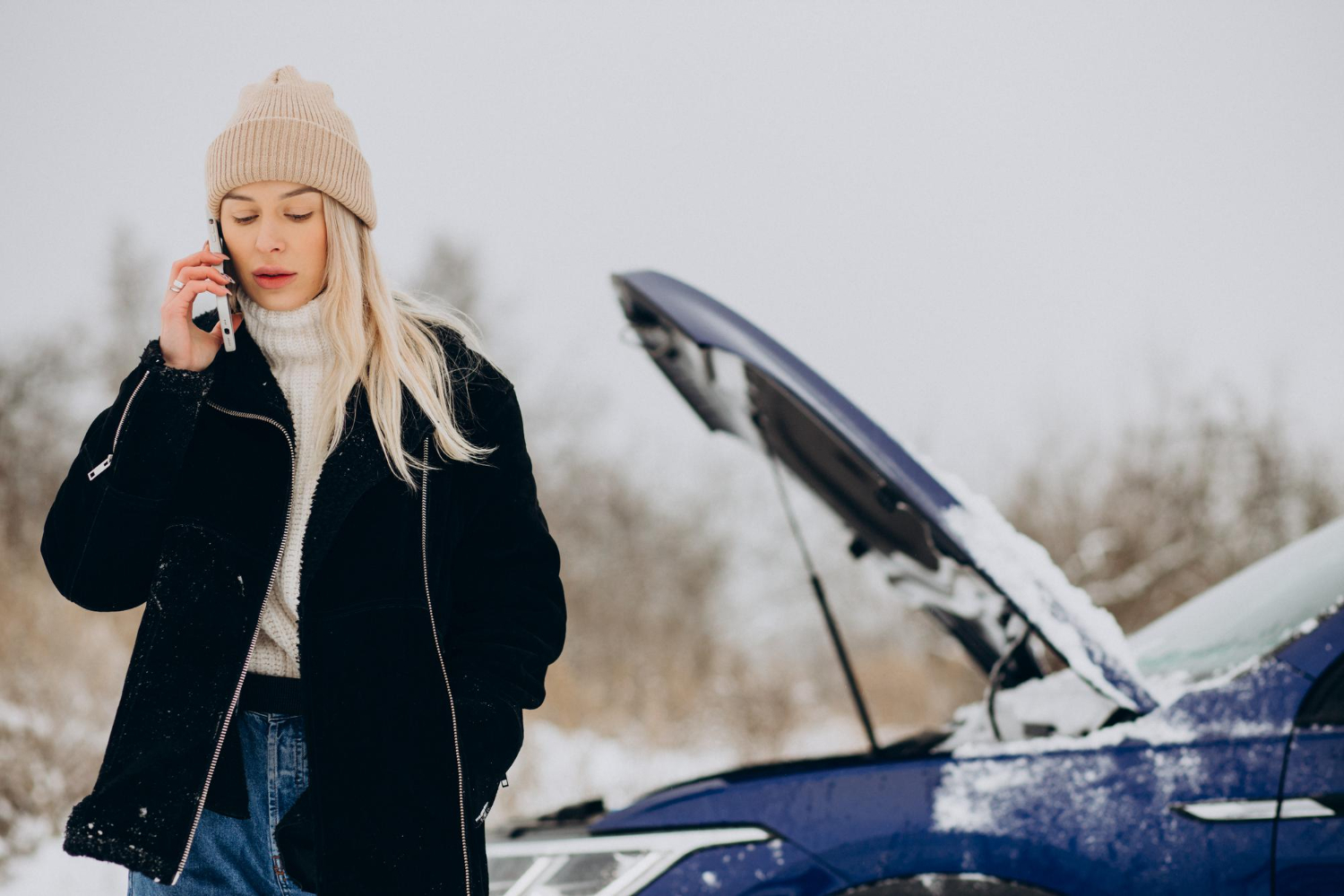
What to Capture at the Scene?
This list highlights the types of details that are especially valuable:
- Road surface appearance, including ice patches, slush, or snow accumulation
- Photos of vehicle positions, damage patterns, and surrounding landmarks.
Such documentation helps show whether the environment played a direct role in the crash. It also counters disputes from insurance adjusters who may attempt to minimize your experience or shift responsibility. Once you secure these details, you are better prepared to navigate the administrative processes ahead.
Understand How Winter Hazards Impact Liability
Determining fault during winter crashes can be complex because drivers often have limited control on icy roads. However, liability still depends on whether each party acted reasonably under the circumstances.
Here is a simple table outlining how different factors influence liability evaluations:
| Factor | Impact on Liability |
| Speed for conditions | Higher speed increases the likelihood of a shared or full fault |
| Vehicle maintenance | Poor tire condition can raise driver responsibility |
| Road treatment | Insufficient salt or plowing may shift some fault to property managers or municipalities |
| Driver behavior | Distraction or unsafe maneuvers typically raise accountability |
The holiday season often brings slower administrative processing as insurers handle higher claim volumes while facing staffing shortages.
As a result, you may encounter delayed communication or extended evaluation periods. Preparing for this possibility helps you remain patient while ensuring your claim continues to move forward.
Additionally, clear, consistent documentation prevents unnecessary disputes about your injuries or the events surrounding the crash.
Staying organized also helps you present your case effectively. Keep all medical records, repair estimates, and correspondence in one place so you can reference them quickly.
By approaching these tasks proactively, you reduce the likelihood of setbacks and ensure your recovery remains the focus.
Prepare for Medical and Long-Term Considerations
Even when injuries seem minor after a crash, winter collisions often cause delayed symptoms. Seeking medical evaluation right away ensures early detection and creates a clear link between the incident and your injuries.
This connection becomes important if complications arise later or if your ability to work is affected during your recovery.
Moreover, consistent treatment reflects your commitment to healing, which insurers typically take into account when evaluating claims.
Ongoing attention to your health also allows you to make informed decisions about your next steps. Whether you pursue therapy, mobility support, or additional evaluations, these choices directly influence your ability to return to daily routines. By following medical advice and documenting progress, you support both short-term and long-term recovery.
Make Confident Decisions After a Holiday Crash
Understanding what to do after a Christmas collision empowers you to protect yourself and manage the challenges that follow.
When you respond quickly, gather accurate information, and stay organized, you give yourself the best opportunity to recover physically and financially.
By approaching each stage with awareness and care, you ensure steady progress toward the stronger wellness you deserve.
