

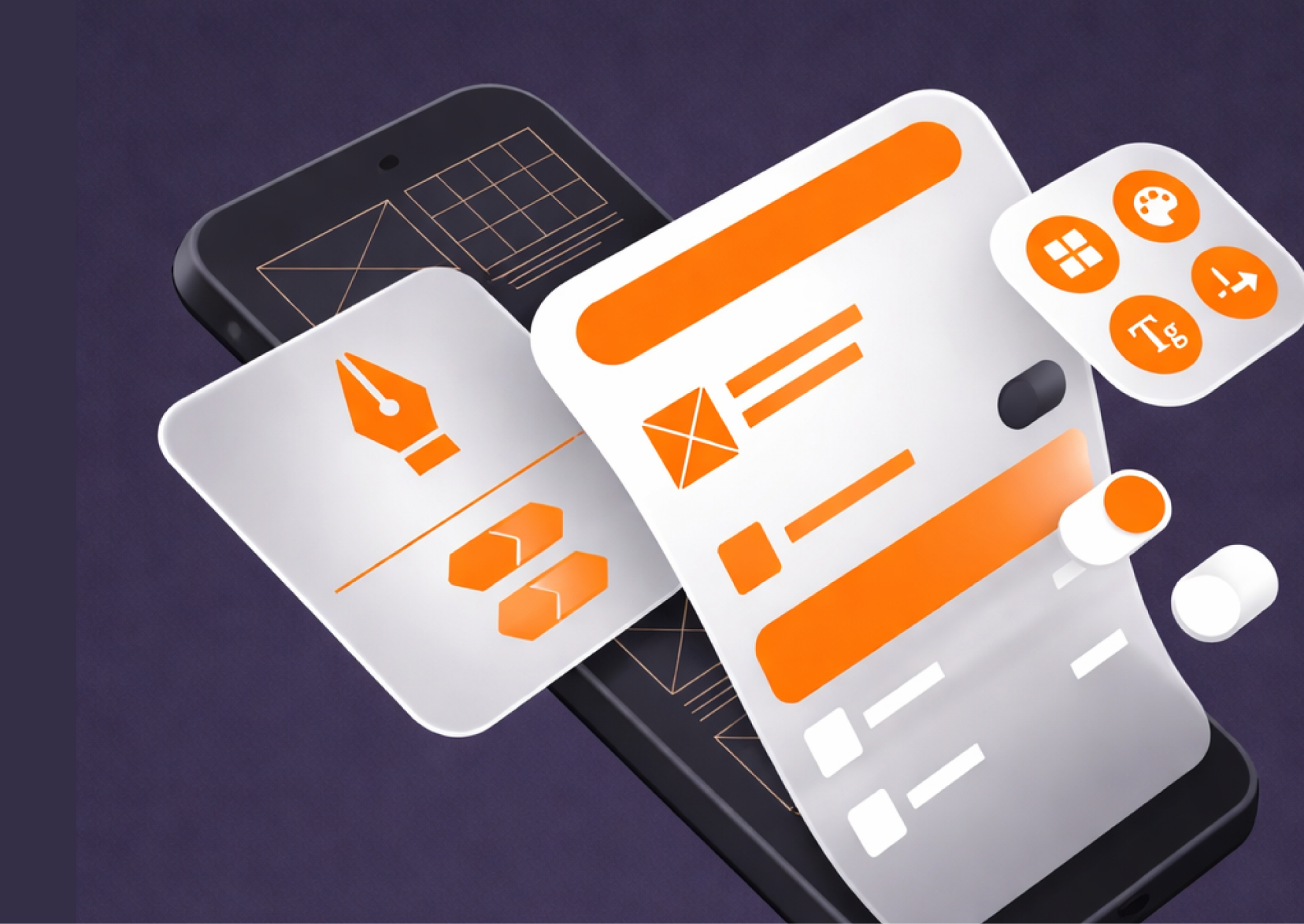
I don’t think it’s any secret that design is more than just a pretty picture on a screen. It’s not so much about aesthetics as it is about how users navigate through your app, and you need to think about this well before the main development phase.
And this is exactly what many mobile app design agencies tend to overlook. Most teams don’t consider how early-stage design development, or even just the concept, can subsequently influence the effectiveness or popularity of the final product.
This is what sets professional mobile app design services apart from most freelancers and modern agencies.
Why Mobile App Design Is More Than Making It Look Good?
Even the most beautiful, sophisticated and aesthetically pleasing design can still fail. It’s a shame, but it’s something we have to accept.
However, the reason isn’t always that something looks bad or unattractive, but rather that the user feels that something isn’t working properly.
For example, a registration process that takes too long, navigation that is confusing or unintuitive, too many steps even for simple actions, too many different menus where it’s impossible to find anything, and many other nuances.
What does this mean? It’s a harsh statistic: over 88% of users do NOT return to an app after a bad experience, and that’s a customer retention issue. After all, the marketing costs involved in reviving your app can also be quite high.
This is the key issue: some designers assume that mobile app design is all about visuals. In reality, mobile UX design determines how the product feels, not just how it looks. If it’s poorly executed, no update or improvement to the user interface will fix this problem later on.
What Quality Mobile App Design Actually Includes?
UX Research and User Flow Mapping
Creating high-quality UX design for mobile apps starts with understanding your target audience, their pain points, goals and aspirations. What exactly do they want to achieve, and what are they struggling to do? What is the purpose of your app?
What exactly can it offer users, and how might your design choices influence user behaviour? These are important questions, and it’s crucial to find the answers as early as possible.
This is precisely the crucial stage at which the foundations of the design are laid, and key decisions are made. It is not enough simply to have a good idea; one must also be able to turn it into something tangible.
Prototyping and Usability Testing
Static screens and pretty pictures don’t solve users’ problems. Users don’t interact with attractive mock-ups; they interact with workflows.
That’s precisely why app prototype design matters – it allows you to simulate the experience of potential users even before the full-scale development phase begins. Usability testing saves both time and money, as fixing a prototype takes hours, whereas fixing a finished app can take weeks.
Platform-Specific Design Standards (iOS vs Android)
One of the biggest mistakes app design companies make is treating platforms as identical. No, no, and no again. iOS and Android work differently: they have different interaction patterns, navigation logic, and user expectations.
Mobile app UI/UX designers and developers must be able to adapt the app to the needs and requirements of each individual platform. It’s not about creating two different products – it’s about attentiveness and respect for users.
Common Mistakes Product Teams Make When Outsourcing App Design
The saddest thing is that even outsourcing the development doesn’t guarantee a perfect result. The same mistakes and the same challenges. That’s why you need to choose your team carefully.
For example, when a portfolio focuses solely on visuals. What does that tell you? That they can’t solve problems, but merely create pretty pictures.
This isn’t a case study; it’s misleading clients. You need to understand what the problem was, what solution the team came up with, and what methods they used to achieve it.
The next mistake stems from the first: not asking about the process. If a team immediately focuses on the mobile app UI UX without adequate research, that’s an immediate red flag.
Budget planning is another potential (and all too common) problem. Many teams fail to factor in possible iterations. They expect a ‘final’ version too soon, which leads to hasty decisions and costly fixes.
How to Evaluate a Mobile App Design Partner?
Just a few final words (advice):
Focus on how the team thinks, rather than how their work looks from the outside. Real-world case studies are the true measure of their professionalism.
Don’t ask to see a visual; ask about their full workflow, including testing.
Ask about their platform approach. IOS and Android mustn’t be treated the same.
Remember, a strong partner clearly explains their solutions and demonstrates a structured process for solving the problem. This is what actually minimises all potential risks.
