

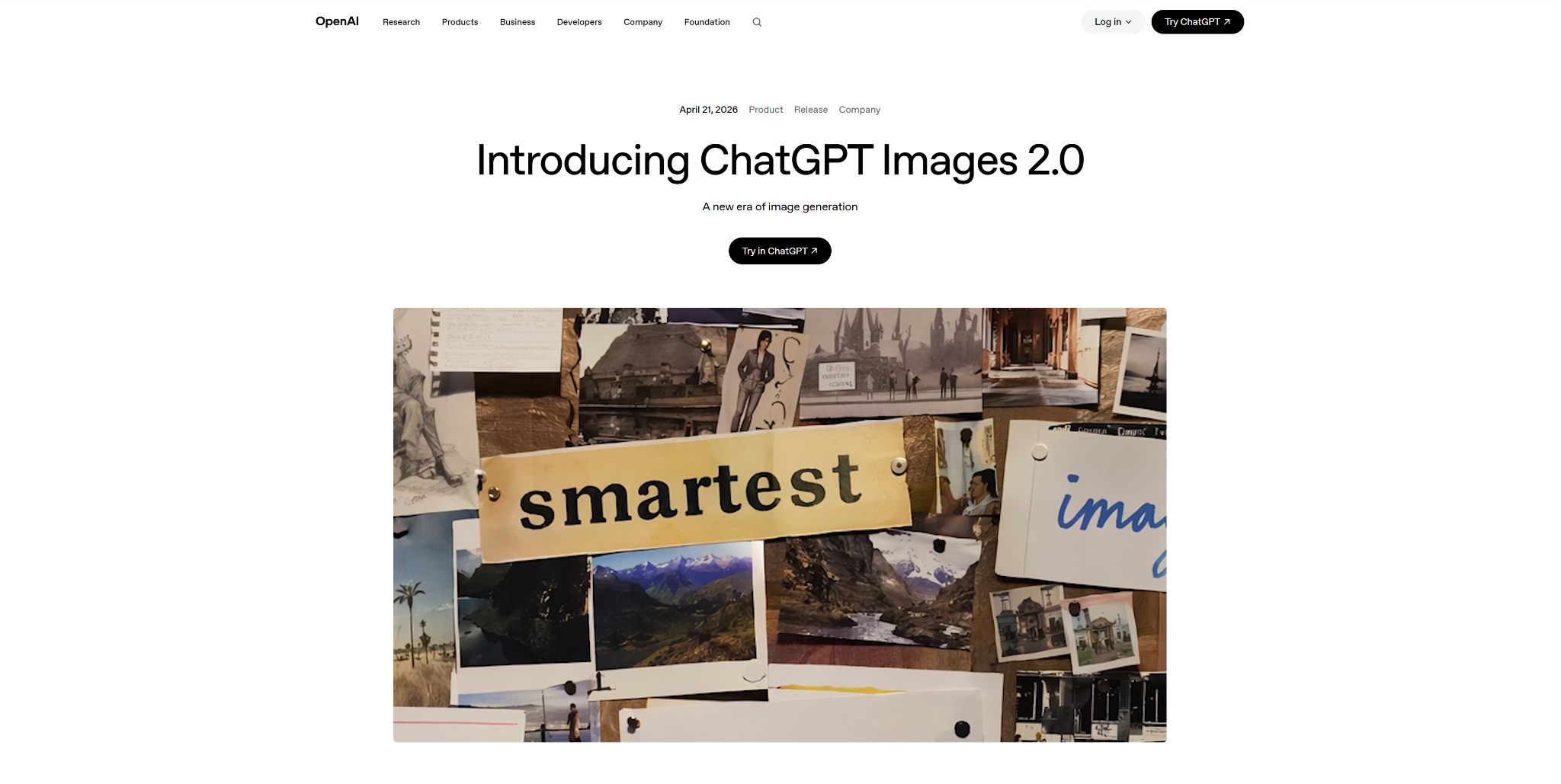
OpenAI just made its next move. After the viral success of GPT-4o’s image generation capabilities, which flooded social media with Ghibli-style portraits and countless creative experiments, the company is doubling down with a new model: GPT Images 2.0.
It is a purpose-built image generation model designed to address the shortcomings that even the biggest fans of AI couldn’t ignore.
And if the early details are accurate, it could set a new standard for what AI-generated images look and feel like.
Why GPT-4o Wasn’t Enough?
Let’s be real about where things stood. GPT-4o was a breakthrough in many ways. It brought image generation directly into a conversational AI interface, letting people create visuals through natural dialogue rather than wrestling with obscure prompt syntax. The Ghibli trend alone proved how accessible and fun that experience could be.
But accessibility and quality are two different things. GPT-4o’s image output, while creative and often charming, had visible limitations.
Fine details like hands, fingers, and facial features in complex poses were inconsistent. Text rendering inside images was unreliable, sometimes garbled, sometimes missing entirely.
And when it came to photorealistic output, the results often landed in an uncanny middle ground that was clearly AI-generated to any trained eye.
For casual social media posts, none of that mattered much. But for designers, marketers, e-commerce teams, and professional creators who need images that can stand alongside traditionally produced work, those gaps were dealbreakers. GPT Images 2.0 is OpenAI’s answer to that problem.
What GPT Images 2.0 Brings to the Table?
Based on what’s been revealed so far, GPT Images 2.0 represents a significant leap across several dimensions that matter most to creators and professionals.
The most talked-about improvement is visual fidelity.
GPT Images 2.0 is expected to produce images with noticeably sharper detail, more accurate lighting, and more natural color grading.
Skin textures, fabric patterns, reflections, and environmental details should all look more convincing and less like they’ve been run through a smoothing filter.
For anyone producing product photography, editorial imagery, or realistic concept art, this is the upgrade that matters most.
Text rendering is another area getting a major overhaul.
One of the most common complaints about AI image generators has been their inability to accurately render words, logos, and typographic elements within images. GPT Images 2.0 is reportedly far more reliable at placing readable, correctly spelled text exactly where you want it.
That alone opens up practical use cases like social media graphics, poster designs, mockup presentations, and branded content that were previously frustrating to execute with AI.
Instruction following is also expected to improve substantially.
With GPT-4o, complex prompts with multiple specific requirements often resulted in the model prioritizing some elements while ignoring or misinterpreting others.
GPT Images 2.0 should handle detailed, multi-layered prompts with greater accuracy, meaning the gap between what you imagine and what you get on screen should shrink considerably.
Style control and consistency are getting attention too.
Creators who need to maintain a specific visual identity across multiple images, whether for a brand campaign, a children’s book, or a product line, should find GPT Images 2.0 much more cooperative in reproducing a defined aesthetic repeatedly without drifting.
Who Benefits Most from This Upgrade?
The short answer is almost everyone who creates visual content, but some groups stand to gain more than others.
E-commerce businesses that rely on product imagery will find GPT Images 2.0 particularly valuable. Generating realistic, high-quality product shots in different settings and configurations without booking a photographer or renting a studio could dramatically reduce both cost and turnaround time.
Social media marketers and content creators who need a constant stream of fresh, on-brand visuals will appreciate the improved consistency and text rendering.
Creating scroll-stopping graphics with accurate headlines, clean typography, and polished visuals becomes a much faster process when the AI gets it right on the first or second try instead of the tenth.
Designers and illustrators can use GPT Images 2.0 as a more reliable ideation and prototyping tool. Instead of spending hours on initial concept exploration, they can generate high-fidelity starting points and then refine from there, accelerating the early stages of the creative process without sacrificing quality.
Game developers, indie filmmakers, and worldbuilders who need concept art, character designs, and environment visuals at scale will benefit from both the quality improvements and the better style consistency across multiple generations.
Where You Can Access GPT Images 2.0?
Access matters just as much as capability. A powerful model that’s difficult to reach or locked behind a complicated workflow doesn’t help most creators in practice.
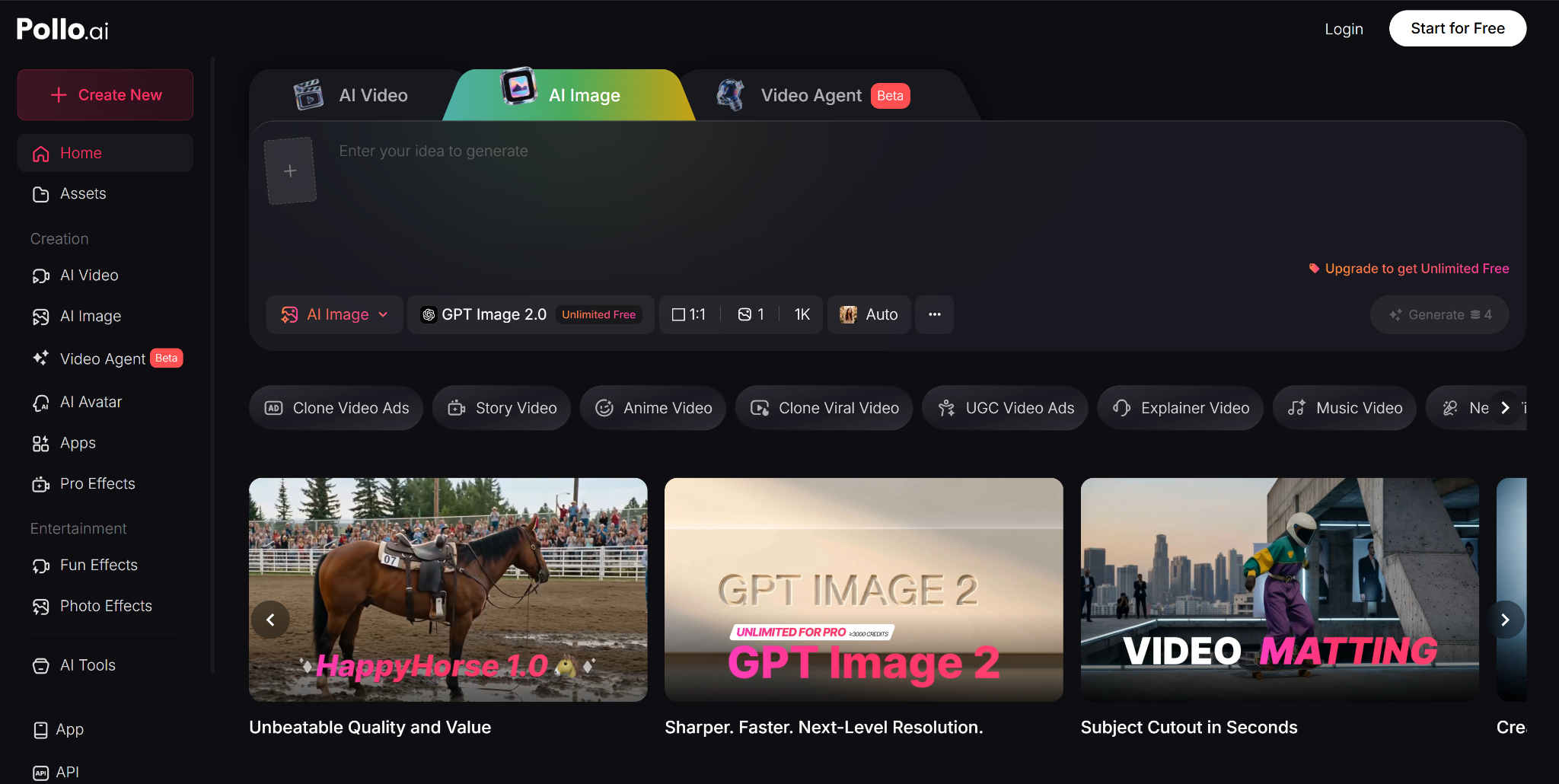
OpenAI will naturally offer GPT Images 2.0 through its own products, but for creators who want a streamlined, creator-focused experience, Pollo ai is planning to integrate GPT Images 2.0 into its platform upon release.
That means if you’re already using Pollo ai for your creative projects, you’ll be able to tap into GPT Images 2.0’s capabilities without switching tools, learning a new interface, or disrupting your existing workflow. The new model will simply become another powerful option within the environment you already know.
For creators who work across both image and video, having access to cutting-edge models for both mediums in one place is a meaningful convenience.
Rather than juggling multiple subscriptions and platforms, you can centralize your AI-powered creative workflow and move faster from concept to finished content.
The Competitive Ripple Effect
GPT Images 2.0 doesn’t exist in isolation. Its release will put immediate pressure on every other player in the AI image generation space. Midjourney, Stable Diffusion, Adobe Firefly, and Google’s Imagen will all need to respond.
That kind of competitive pressure is healthy for the ecosystem because it accelerates innovation and gives creators more choices and better tools across the board.
But OpenAI’s advantage with GPT Images 2.0 isn’t just about raw image quality. It’s about integration. Because GPT Images 2.0 lives within the broader GPT ecosystem, it benefits from conversational interaction, contextual understanding, and the ability to iterate on images through natural dialogue.
You don’t need to memorize prompt formulas or learn a specialized syntax. You can simply talk to the model, explain what you want, ask for changes, and refine until the result matches your vision. That workflow is intuitive in a way that most competing tools still aren’t.
What This Means Going Forward?
The release of GPT Images 2.0 signals that OpenAI views image generation not as a side feature but as a core part of its product strategy.
The investment in better fidelity, more accurate text rendering, and improved instruction following suggests the company is targeting professional and commercial use cases, not just viral social media moments.
For creators, the practical takeaway is clear. AI image generation is crossing a quality threshold where the output is genuinely usable for real work, not just for fun experiments.
And with platforms like Pollo AI making these models accessible in a creator-friendly environment, the barrier between having an idea and producing a polished visual keeps getting lower.
If you’ve been waiting for AI image tools to get good enough to take seriously, GPT Images 2.0 might be the moment that changes your mind.
And the best way to be ready is to start building your workflow now, so that when the model drops, you’re not learning the basics. You’re already creating.
