

Scientific discovery has always depended on the tools available to researchers. From the invention of the microscope to the development of supercomputers, every leap in technology has opened new possibilities for understanding the world.
Today, advanced research tools are transforming the pace of innovation across fields such as biotechnology, medicine, environmental science, and materials engineering.
By enabling scientists to gather, process, and interpret data more efficiently, these tools are helping accelerate discoveries that once took years or even decades to achieve.

The Shift Toward Faster Research Cycles
Traditional research methods often required extensive manual work, from collecting samples to analyzing results. While these approaches laid the foundation for modern science, they could be time-consuming and resource-intensive.
Advanced research technologies are changing this landscape by automating many repetitive tasks and reducing the time needed to generate meaningful insights.
Automated laboratory equipment, robotic systems, and intelligent data analysis platforms allow researchers to conduct experiments at a scale that would have been impossible just a few years ago.
As a result, scientists can spend less time managing processes and more time focusing on interpretation, innovation, and problem-solving.
The Role of Data Analysis in Modern Discovery
One of the most significant advances in research has been the ability to process enormous volumes of data. Modern experiments often generate datasets that are far too large for manual analysis.
Advanced computational tools can quickly identify patterns, trends, and relationships within these datasets. This capability is particularly valuable in fields such as genomics, drug development, and climate science, where understanding complex systems depends on analyzing millions of data points.
Machine learning and artificial intelligence are also becoming increasingly important. These technologies can help researchers uncover hidden connections, predict outcomes, and generate new hypotheses that guide future studies.
Enhancing Precision in Biotechnology
Biotechnology has benefited enormously from improvements in research tools. Scientists can now study biological systems with a level of precision that was previously unimaginable.
Technologies such as next-generation sequencing, gene editing platforms, and high-throughput screening systems allow researchers to investigate genetic information, cellular processes, and disease mechanisms in extraordinary detail.
In addition, services like custom DNA synthesis provide researchers with the ability to create highly specific genetic sequences tailored to their experimental needs. This capability supports a wide range of applications, from synthetic biology projects to the development of new therapies and diagnostic tools.
By making biological research more precise and customizable, these innovations help accelerate breakthroughs across multiple disciplines.
Improving Collaboration Across the Scientific Community
Advanced research tools are not only improving individual experiments but also strengthening collaboration among scientists worldwide.
Cloud-based platforms allow researchers to share datasets, experimental protocols, and findings instantly. Teams located in different countries can work together in real time, contributing expertise and insights without geographic limitations.
This increased connectivity helps eliminate duplication of effort and enables researchers to build upon each other’s work more effectively. As a result, discoveries can move from concept to application much faster than in the past.
Collaborative research environments have become particularly important when addressing global challenges such as public health crises, environmental sustainability, and food security.
Accelerating Innovation in Medicine
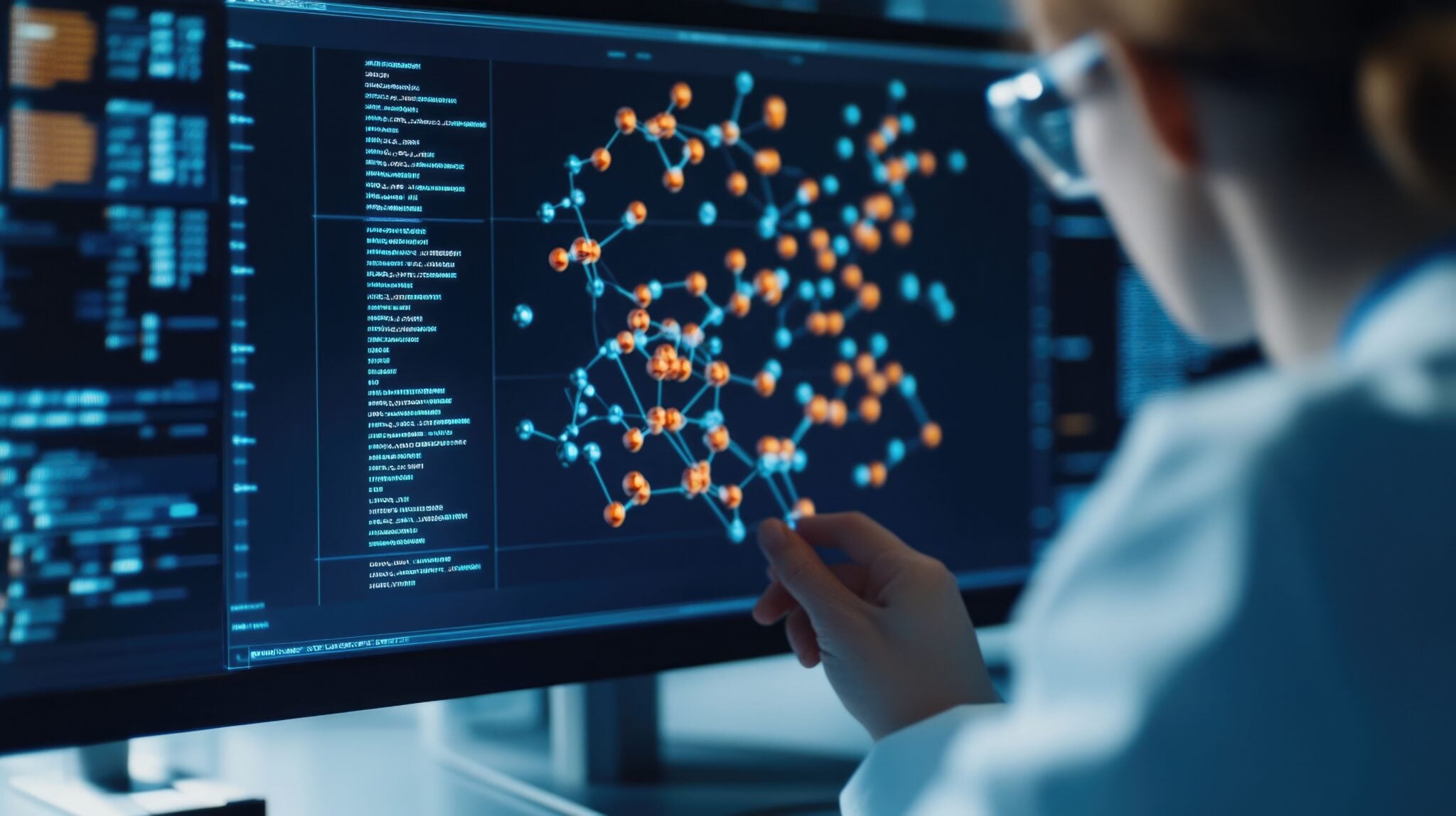
The healthcare sector is one of the clearest examples of how advanced research tools are speeding up discovery. Modern drug development relies heavily on computational modeling, genetic analysis, and automated screening technologies.
Researchers can identify promising drug candidates more quickly, evaluate potential risks earlier in the development process, and design targeted therapies based on a patient’s unique biological characteristics.
Advanced imaging technologies also allow scientists and healthcare professionals to observe diseases at earlier stages and with greater accuracy. This improved understanding leads to better treatment strategies and more personalized patient care.
The combination of faster research methods and improved precision is helping bring new medical innovations to patients more efficiently than ever before.
Looking Ahead
The future of scientific discovery will be shaped by continued advancements in research technology. As tools become more powerful, accessible, and interconnected, researchers will gain even greater capabilities to explore complex questions and solve pressing challenges.
From biotechnology and healthcare to environmental science and engineering, advanced research tools are reducing barriers to innovation and accelerating the journey from idea to breakthrough.
By enabling faster experimentation, deeper analysis, and stronger collaboration, these technologies are helping drive the next generation of discoveries that will shape our world.
