


The best nearshore software development company for a B2B SaaS startup is rarely the biggest name on the page. It is the partner that can join your product rhythm fast, communicate clearly, and keep project delivery predictable when scope starts moving.
Key Takeaways
A smart shortlist starts with product stage, not brand size. The best nearshore software development partners fit your team structure, your speed, and your product risk. Time zone alignment matters. Cultural compatibility matters. A clear nearshore development process matters even more.
How do you compare the top 15 nearshore software development companies for B2B SaaS startups in 2026?
A useful ranking starts with fit, not fame. The real question is not “Who is number one?” but “Which nearshore partner fits the way my team builds software?”
For an early SaaS startup, the first filter is simple. You check whether the vendor understands discovery, MVP scope, and fast product change. A strong nearshore software development team feels close to your in-house team, not like a remote ticket factory.
The second filter is delivery model. Some teams are best at staff augmentation. Some are better with dedicated teams. Some do better when they own a whole workstream. The wrong nearshore software development model can slow a good product down faster than a weak codebase.
The third filter is review pattern. One nice quote means little. A repeatable pattern around responsiveness, technical expertise, and real time communication means much more. That is where nearshore software development outsourcing becomes easier to judge in plain English.
TOP 1 Software House Selleo
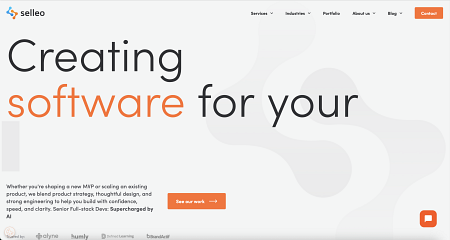
Selleo stands out for startups that want custom software development with real product thinking behind it. For founders and product-led CTOs, Software Development Company Selleo fits best when the goal is to connect discovery, MVP delivery, and steady ongoing support inside one working relationship.
TOP 2 Rootstrap

Rootstrap makes sense when you want nearshore development teams that blend into your internal workflow. This is the kind of team that works well when your in-house team is already strong and you want more engineering capacity without losing focus.
TOP 3 Cheesecake Labs
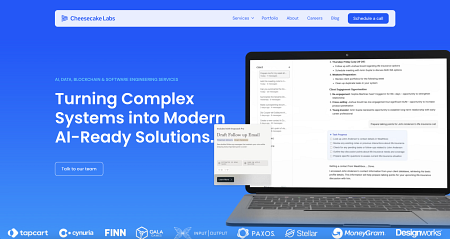
Cheesecake Labs is a strong pick for products that combine web development, mobile development, and product design. It fits best when your SaaS product needs one team that can handle both software engineering and polished user experience.
TOP 4 Azumo
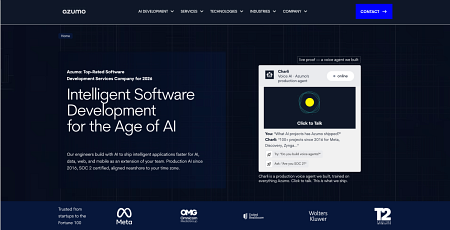
Azumo is a practical fit for products with AI, data engineering, or cloud-heavy work. Its edge shows up when you need emerging technology expertise but still want a team that can speak clearly about business goals.
TOP 5 Gorilla Logic
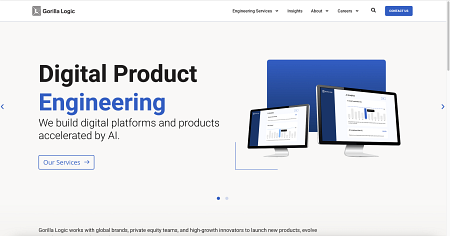
Gorilla Logic works well when the problem is scale. This is a strong option when you need software engineering talent that can expand engineering teams fast without compromising quality.
TOP 6 Vention
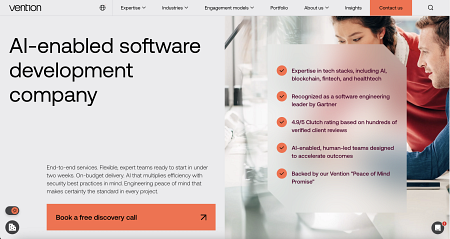
Vention is a good match for teams that need broad access to software developers across different stacks. It fits best when the hiring process is slowing product work and you need specialized talent without building a long internal recruitment pipeline.
TOP 7 BairesDev
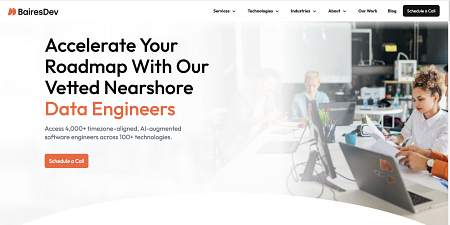
BairesDev is a scale-first choice. It works best for companies that want large development capabilities, wide technical coverage, and a partner with a strong nearshore presence.
TOP 8 HatchWorks AI
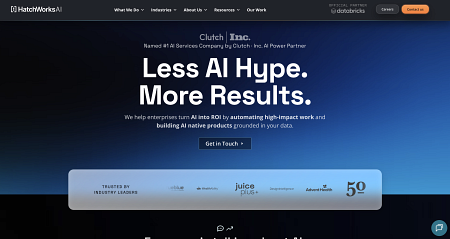
HatchWorks AI is built for AI-first products. This is the right kind of partner when your roadmap depends on data science, model integration, and emerging technologies rather than only standard CRUD work.
TOP 9 Cleveroad
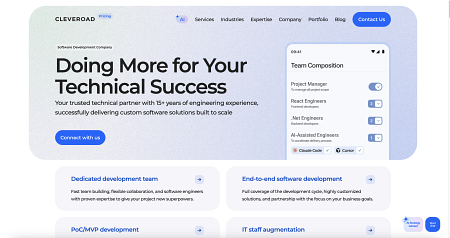
Cleveroad fits teams that want more than coding. It is a better match when product management, UI thinking, and custom solutions matter as much as raw development speed.
TOP 10 Intellias

Intellias sits closer to later-stage SaaS and enterprise software than to very early MVP work. This partner makes more sense when compliance, legacy systems, or digital transformation initiatives are already part of the conversation.
TOP 11 Leobit
Leobit is a solid option for startups that want deep engineering expertise from Eastern Europe. It fits well when you want a nearshore development partner with clear process, strong technical skills, and stable delivery habits.
TOP 12 N-iX
N-iX is a stronger fit for larger builds that involve cloud platforms, AI, and data engineering. This is the kind of partner that helps when the product is growing fast and the team needs scale, structure, and broad software engineering support.
TOP 13 Software Mind
Software Mind works well when internal integration matters as much as raw output. It fits best when you want nearshore teams fully integrate with your product people, developers, and delivery rhythm.
TOP 14 DBB Software
DBB Software stands out on cost efficiency. It is a sensible pick for startups that want nearshore software services with a tighter budget and still care about clean execution.
TOP 15 Elaniin
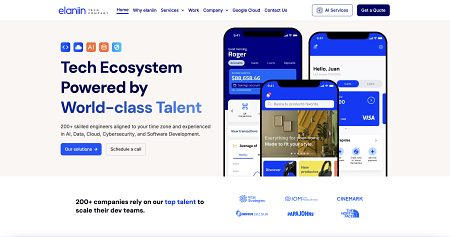
Elaniin closes this ranking as a smaller and more direct LATAM option. It fits best when you want a leaner nearshore company from Latin America with close contact and a simpler communication loop.
How do regions, engagement models, cost, and delivery risk change the final choice?
Region matters, but operating model matters more. A team in nearby countries can still be a bad fit when the delivery model does not match your product reality.
For US buyers, Latin America is the default nearshore region because of time zone overlap and easier real time collaboration. For European buyers, Eastern Europe is often the cleaner fit for the same reason. Time zone alignment is not a bonus feature in SaaS work. It is part of the delivery engine.
Staff augmentation works best when product leadership, architecture, and project management already sit on your side.
Dedicated teams work better when you want a partner to own a larger part of the nearshore development process. That one decision shapes communication, accountability, and speed more than the country choice alone.
Cost also needs a calm look. Hourly rate is only one layer. You still pay for onboarding, rework, handoffs, and the time your own people spend managing the relationship.
The cheaper offer in offshore software development can turn into the more expensive one when real time communication is weak and the feedback loop is slow.
FAQ: what do B2B SaaS startups ask about nearshore software development companies?
How many overlap hours does a nearshore software development team really need?
You need enough overlap to keep decisions inside one working day. For most SaaS teams, the real target is not a number of hours but one clean daily window for standups, product questions, and blocker removal.
How do you compare reviews without falling for vendor bias?
Start with patterns, not slogans. When the same points show up again and again around communication, flexibility, and delivery quality, the signal is stronger than any polished vendor page.
When does staff augmentation make more sense than a dedicated team?
Staff augmentation fits a strong in-house team with clear leadership. A dedicated team fits better when you want a partner to carry more of the build, not just add hands to the keyboard.
What belongs in a nearshore contract?
A serious contract covers IP ownership, repo access, documentation handoff, replacement rules, and exit terms. The real goal is simple: your product stays yours even when the partnership ends.
When is nearshore the wrong choice?
Nearshore is the wrong choice when the only goal is the lowest rate and the work needs little collaboration. It becomes the better choice when product speed, cultural alignment, and real time communication affect revenue, roadmap, and customer experience.
