

College athletes face immense pressure to perform at the highest level while managing academics, social life, and future careers. The difference between sustainable success and burnout often comes down to smart training, proper recovery, and intelligent nutrition.
The foundation of peak performance starts with periodized training. Instead of training at maximum intensity year-round, college athletes should follow a structured plan that includes preparation, competition, and transition phases.
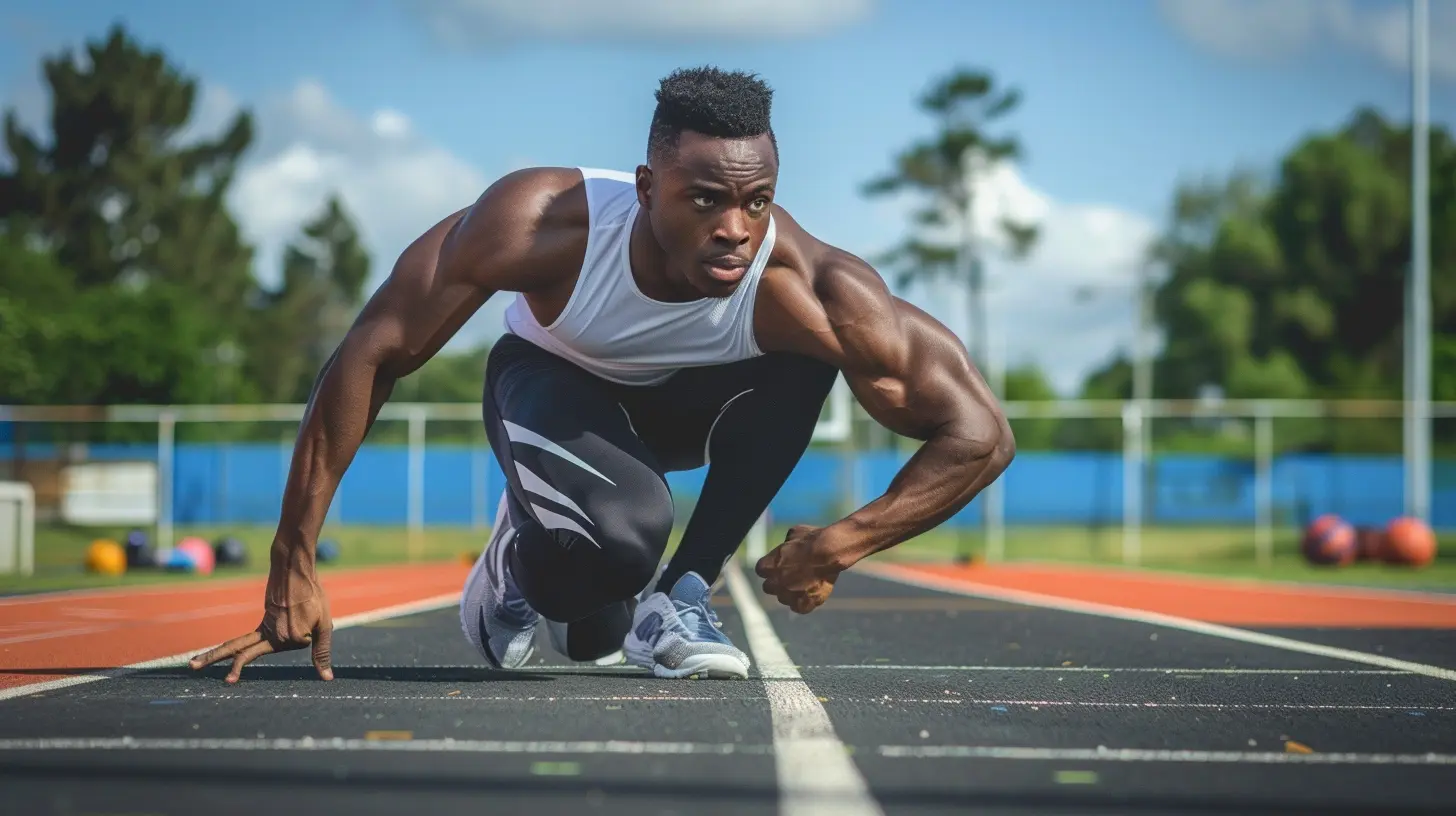
During off-season, focus on building general strength, aerobic base, and addressing weaknesses. In-season, shift toward maintenance and sport-specific speed and power work.
If you’re looking to speed up your journey to achieving your ideal form with supplements, be careful. Unfortunately, the market is flooded with counterfeit and low-quality products. That’s why reputable specialty stores have become the preferred choice for serious athletes and fitness enthusiasts.
One such trusted online store is Fitvana. Known for offering genuine ZPHC products and other pharmaceutical-grade performance enhancers, Fitvana has earned a solid reputation for reliability, fast shipping to the US, and genuine products that meet strict quality standards.
Recovery is where real progress happens. Sleep is the most powerful performance enhancer available. Aim for 8–9 hours nightly. Many college programs now use sleep tracking technology to ensure athletes prioritize rest. Active recovery days with light mobility, yoga, or swimming help flush metabolic waste without adding stress.
Nutrition strategies must match training demands. Carbohydrates remain the primary fuel for high-intensity sessions.
Post-workout, consume 20–40g of protein combined with fast-digesting carbs within 30–60 minutes to maximize muscle protein synthesis. Anti-inflammatory foods like berries, fatty fish, turmeric, and tart cherry juice support faster recovery.
Hydration is critical, especially for athletes training in varying environments. Monitoring urine color and body weight before and after sessions helps maintain optimal fluid balance.
Mental recovery is equally important. Overtraining symptoms include persistent fatigue, mood swings, decreased motivation, and stalled progress. Incorporating mindfulness, meditation apps, or sports psychology sessions can prevent mental burnout.
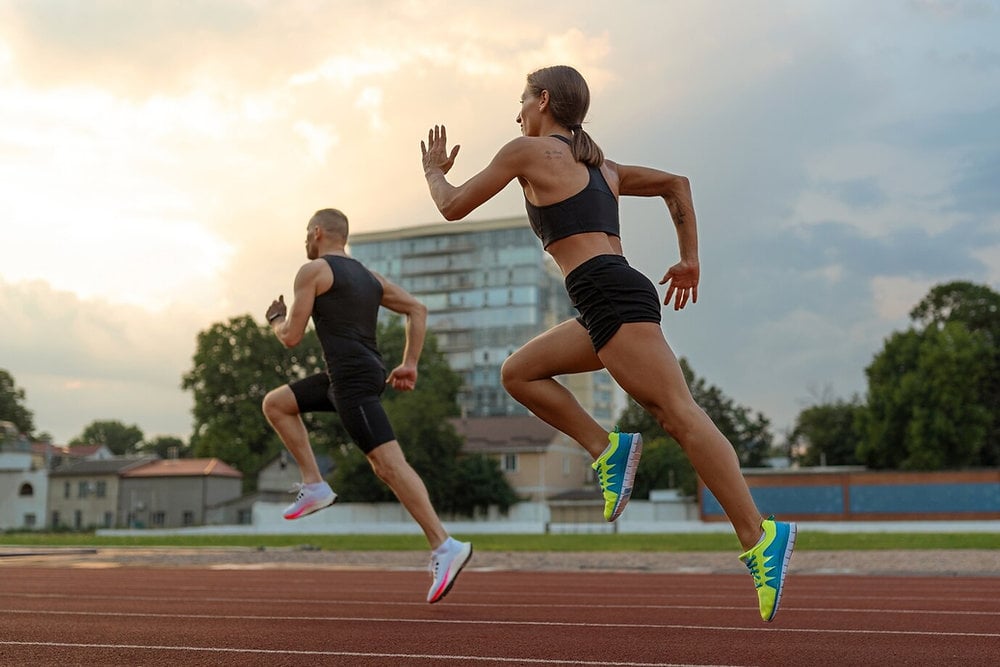
Strength and conditioning coaches recommend incorporating deload weeks every 4–6 weeks, reducing volume by 40–60% to allow supercompensation. Mobility work and soft tissue maintenance through foam rolling or professional massage also play key roles.
For female athletes, tracking menstrual cycles helps adjust training load around hormonal fluctuations. Nutrition should adjust accordingly, with increased iron and calcium focus when needed.
Long-term athletic development emphasizes movement quality over heavy lifting early on. Proper warm-ups, dynamic stretching, and technique work reduce injury risk significantly.
By balancing hard work with intelligent recovery and fueling, college athletes can reach peak performance while protecting their health and longevity in sport.
