

Memory performance shapes nearly every modern computing platform, from desktop workstations to AI servers and embedded devices. While processors usually grab the headlines, memory chips often determine how efficiently a system performs under real workloads.
Engineers who understand memory architecture can make better design choices, improve application performance, and avoid bottlenecks that waste both time and power.
Whether you’re developing consumer electronics, industrial equipment, or cloud infrastructure, a solid understanding of today’s memory technologies is an advantage that pays off throughout every stage of development.
Memory Fundamentals
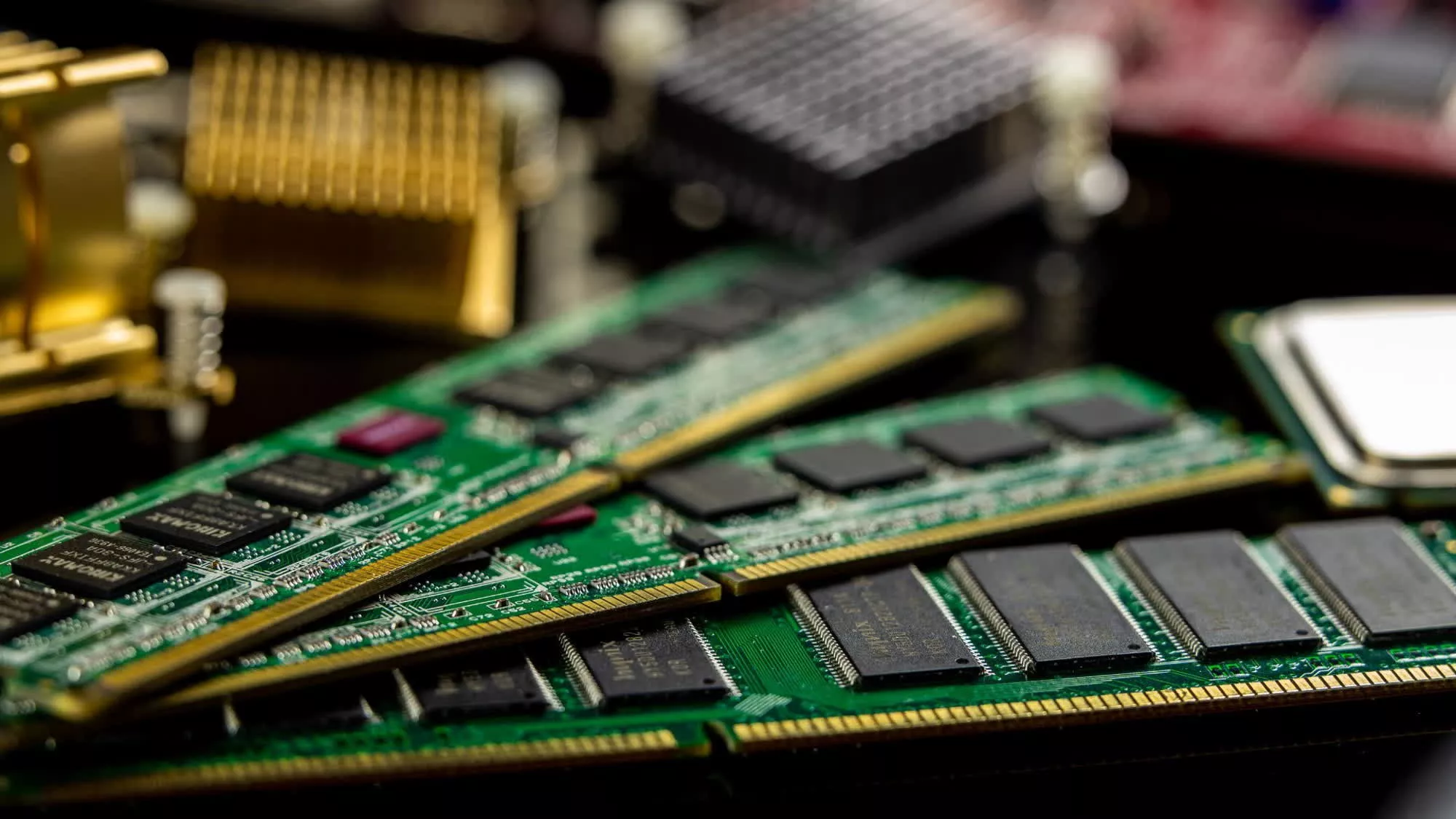
The foundation of every computing system starts with DRAM memory chips. Dynamic Random Access Memory stores the information that processors actively use while programs are running.
Unlike permanent storage devices such as SSDs, DRAM loses its contents when power is removed, but it delivers much faster access speeds that make modern computing possible.
Engineers should also understand how DRAM works alongside cache memory, SRAM, flash storage, and newer technologies like High Bandwidth Memory, or HBM. Each serves a different purpose within the memory hierarchy. SRAM offers exceptional speed but is expensive and limited in capacity.
DRAM balances cost, density, and performance, making it the primary system memory in computers, servers, and countless embedded systems. HBM is increasingly important for AI accelerators because it provides dramatically higher bandwidth through stacked memory designs.
Recent advances continue to focus on overcoming bandwidth limitations while improving power efficiency for demanding workloads.
Bandwidth Matters
Many engineering challenges are not caused by processors that are too slow. Instead, the processor spends valuable time waiting for data to arrive from memory. This problem is commonly known as the memory wall, and it affects applications ranging from scientific simulations to video processing and artificial intelligence.
Selecting the proper memory configuration requires balancing bandwidth, latency, capacity, and power consumption. Faster memory may increase throughput, but higher latency can offset those gains for certain workloads.
Engineers developing embedded products often prioritize low power consumption, while data center architects usually focus on maximizing bandwidth across multiple processors.
Understanding these tradeoffs helps engineers select appropriate memory standards such as DDR5, LPDDR, GDDR, or HBM instead of relying on specifications alone.
Memory technology continues evolving as manufacturers search for new ways to improve performance without dramatically increasing energy consumption or manufacturing costs.
Modern Engineering Workflows
Today’s engineering teams increasingly collaborate across multiple locations, making remote engineer work a normal part of hardware development.
Cloud-based simulation platforms, shared repositories, and virtual validation environments allow engineers to test memory performance long before physical hardware becomes available.
Memory analysis software has become just as valuable as oscilloscopes and logic analyzers. Engineers routinely profile cache usage, monitor memory bandwidth, and identify inefficient access patterns before products enter manufacturing. These tools help uncover issues that traditional debugging methods may overlook.
Remote collaboration also encourages better documentation and standardized testing procedures. Since team members cannot simply gather around a prototype in the same laboratory, projects often benefit from more organized workflows and repeatable validation processes.
This approach reduces costly redesigns while making it easier for distributed engineering teams to solve complex hardware problems together.
Preparing for AI Systems
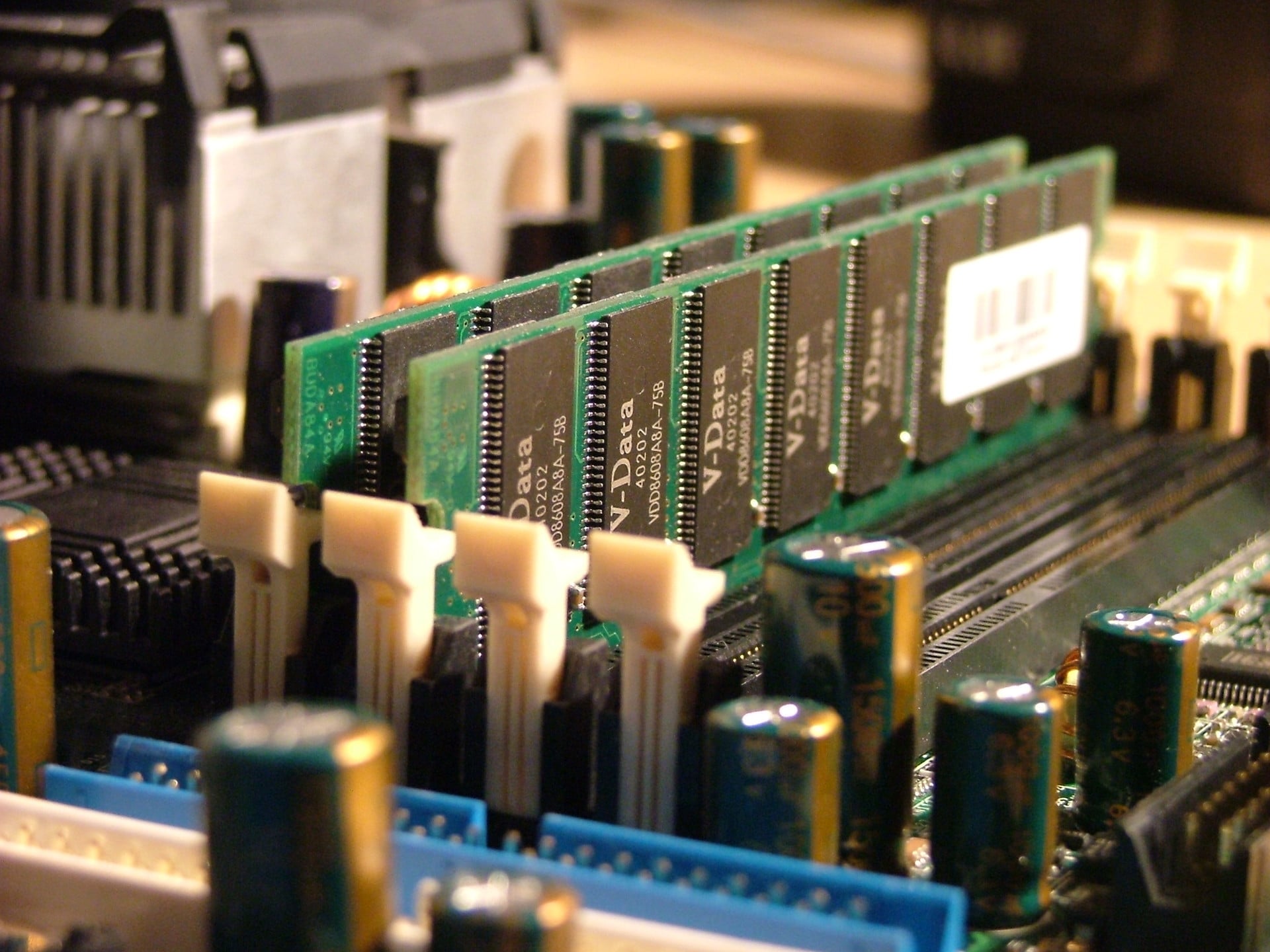
Artificial intelligence has significantly increased the importance of memory architecture. Modern AI accelerators process enormous datasets that require both high capacity and extremely fast data movement.
Simply adding more processor cores rarely improves performance if the memory subsystem cannot deliver data quickly enough.
High Bandwidth Memory has become one solution because stacked memory chips dramatically increase bandwidth while reducing communication distances between processors and memory.
Engineers designing AI hardware must now evaluate memory architecture alongside compute performance rather than treating memory as a secondary consideration.
Industry research shows the focus has shifted beyond processor performance toward complete memory hierarchies that combine SRAM, DRAM, HBM, and storage technologies in more specialized ways.
Future hardware designs will likely depend even more on efficient memory movement than on raw processor speed alone.
Building Better Designs
Successful engineers recognize that memory selection affects nearly every aspect of system performance. Faster processors cannot compensate for poor memory architecture, inefficient software, or limited bandwidth.
Investing time in understanding memory technologies leads to better products that perform consistently under demanding conditions.
As computing workloads continue expanding across artificial intelligence, cloud computing, edge devices, and high-performance applications, memory will remain one of the defining factors in overall system capability.
Engineers who stay informed about evolving memory standards, architecture improvements, and emerging technologies will be better prepared to design efficient, scalable systems that meet tomorrow’s performance expectations.
Mastering memory fundamentals is not just about understanding individual chips. It is about understanding how every component in a computing system works together to deliver reliable, efficient performance.
