

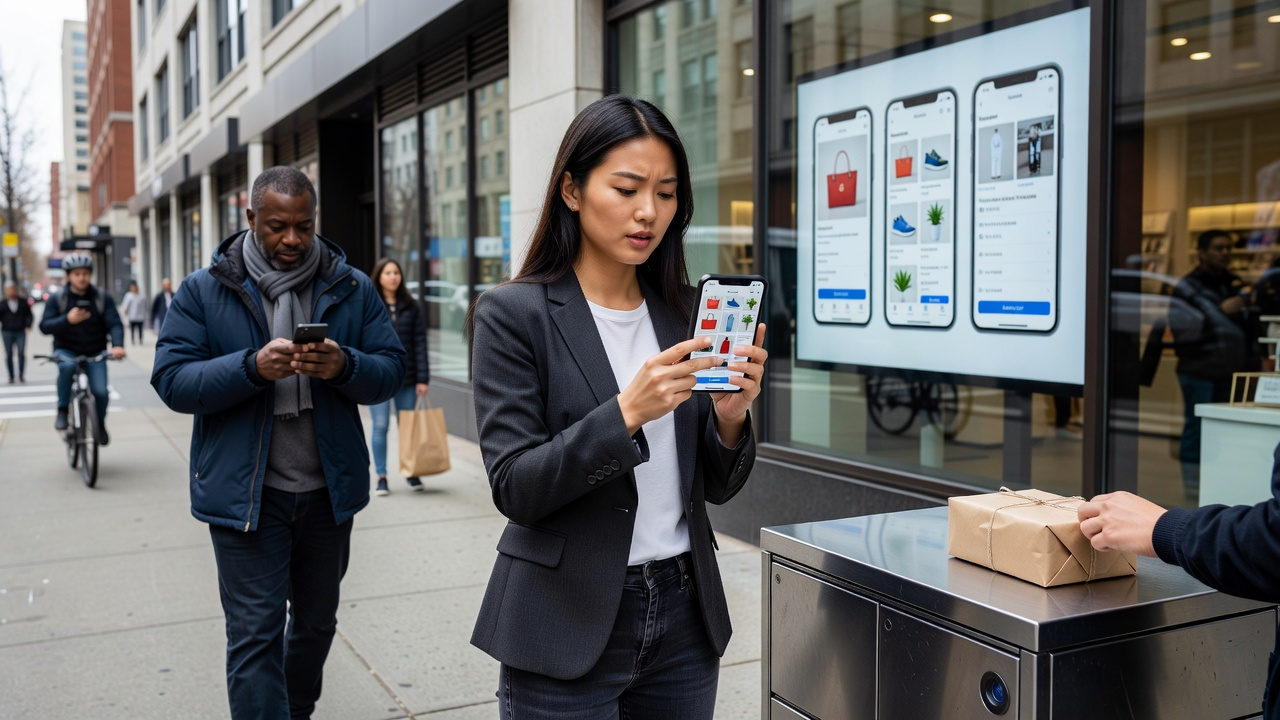
Mobile technology is dramatically changing how people shop and do business online. As ecommerce continues to grow, mobile apps are emerging as vital tools for brands to connect with customers, deliver convenience, and stay competitive.
Choosing the Right Ecommerce Mobile App Development Partner
Finding the best team to bring your ecommerce app to life requires careful consideration. For businesses looking to innovate, partnering with an experienced ecommerce mobile app development company can make all the difference.
For example, working with a reputable ecommerce mobile app development company ensures your ecommerce app is tailored to your unique business needs and stays ahead of market trends.
Key factors to evaluate include: the development team’s portfolio of similar projects, technical expertise in current mobile frameworks, understanding of user experience design, and readiness to provide ongoing support and updates.
Strong communication, transparent processes, and a forward-thinking approach are also critical indicators of a successful collaboration.
The Evolution of Ecommerce: From Websites to Mobile Apps
Just over two decades ago, online shopping began with simple internet stores, offering limited functionality and text-heavy catalogs. Over time, ecommerce websites evolved to become faster and more responsive, but the emergence of smartphones fundamentally shifted user behavior.
In 2026, around 70% of all online purchases happen through mobile devices, according to Statista. The increasing reliance on smartphones for daily activities has made mobile apps a central channel for online shopping.
These apps let users browse products, compare prices, and complete purchases with a few taps, seamlessly integrating ecommerce into everyday moments.
Key Benefits of Mobile Apps for Ecommerce Businesses and Customers
The impact of mobile apps on ecommerce is profound. For businesses, mobile apps deliver conversion rates that are 3–4 times higher than those of mobile websites. Apps offer tools for collecting detailed user data on preferences and behavior.
With this insight, companies can create highly personalized experiences and targeted offers, directly increasing sales and customer retention.
Customers benefit through faster access to catalogs, smooth checkouts, and intuitive navigation designed specifically for mobile screens.
Personalized push notifications alert users to relevant deals, exclusive promotions, and order updates. This creates an engaging, user-friendly experience that encourages shoppers to return, while also streamlining the buying process for busy lifestyles.
Essential Features Modern Ecommerce Apps Provide
Modern ecommerce apps offer far more than just a digital storefront. They are packed with advanced features that elevate the shopping journey:
- Push notifications for real-time updates on sales, order statuses, and special events.
- Mobile payment systems integrated with wallets like Apple Pay or Google Pay for secure, one-tap transactions.
- Personalized product recommendations powered by artificial intelligence that studies browsing and purchase history.
- Augmented reality (AR) tools that let users visualize products in real-world settings—furniture, clothing, or cosmetics—before committing to a purchase.
- Live chat support and AI-powered chatbots available around the clock.
- Easy access to order tracking and customer service within the same interface.
These capabilities not only improve convenience, but also help businesses deliver experiences that closely match customer expectations.
How Mobile Apps Drive Customer Engagement and Loyalty?
Keeping customers engaged is essential for ecommerce success. Mobile apps enable brands to build lasting relationships through loyalty programs, where users accumulate rewards or access exclusive discounts.
Push notifications, when used wisely, bring valuable alerts without overwhelming the user. Social media integration allows shoppers to share finds, post reviews, or use referral programs that encourage viral growth.
Many companies track a clear rise in repeat purchases and higher average spend among users of their apps. According to data from 2026, businesses with dedicated mobile apps see improved customer retention and more frequent engagement compared to those relying solely on websites.
Future Trends in Ecommerce Mobile Applications
Ecommerce technology is moving fast, and mobile apps are at the forefront of this evolution. Artificial intelligence and machine learning enable highly accurate product recommendations and advanced fraud prevention.
Voice assistants, integrated directly within shopping apps, make it possible to search for products or place orders hands-free. Big data analytics allow businesses to refine their offerings and better understand customer behavior on a massive scale.
M-commerce—or the practice of transacting solely via mobile devices—continues to expand, with many major brands reporting steady increases in mobile-exclusive sales.
Digital wallets, one-click checkouts, and biometric security features improve both convenience and trust for users. Looking ahead, deeper integration of AR/VR and hyper-personalized app experiences will likely define the next wave of ecommerce innovation.
As the boundaries between physical and digital retail blur, mobile apps will remain at the heart of how brands and shoppers connect, adapt, and grow.
