

Solar panel connectors affect energy efficiency by controlling how easily electricity moves from the panel to the rest of the system. A high-quality connector with a secure fit creates low resistance and helps deliver more usable power.
A poor connection does the opposite. It increases resistance, causes voltage drop, and can generate heat that wastes energy before it reaches the charge controller, battery, or inverter.
Connector performance also influences long-term reliability, especially in outdoor conditions where moisture, dust, and temperature swings can degrade contact points.
Because even small electrical losses can add up over time, choosing the right connector type, installing it correctly, and keeping connections clean are important steps for maintaining strong solar output and overall system efficiency.
How Do Solar Panel Connectors Impact Energy Efficiency?
How Electrical Resistance and Voltage Drop Reduce Solar Power Output
solar panel connectors affect efficiency most directly through electrical resistance. When current passes through a connector, any resistance at the contact point turns part of that energy into heat instead of usable power. That loss also contributes to voltage drop, which lowers the power delivered to downstream equipment.
In solar systems, even a small voltage drop across multiple connectors can reduce charging performance and overall energy harvest. This matters more when current is high, cable runs are longer, or connectors are poorly matched to the wire size.
A clean, properly crimped, low-resistance connection helps keep voltage stable and power transfer efficient. By minimizing resistance, the system can move more of the panel’s generated electricity where it is needed instead of losing part of it along the path.
How Loose Connections and Heat Buildup Waste Energy?
Loose solar connections waste energy because they create unstable contact surfaces that increase resistance and interrupt smooth current flow. As resistance rises, the connector heats up, and that heat represents lost electrical energy.
Over time, thermal cycling can make the problem worse by expanding and contracting the metal parts, further weakening the connection. Excess heat can also damage insulation, deform contact components, and accelerate wear, leading to larger performance losses or safety risks.
In severe cases, a hot connector can become a failure point that reduces system output dramatically. Proper locking, correct crimping, and secure mating prevent this issue.
Connectors should fit tightly, remain fully seated, and show no signs of discoloration, melting, or arcing if you want solar energy to move efficiently and safely.
What Connector Factors Cause Solar Panel Efficiency Loss?
Connector Materials, Contact Quality, and Corrosion
Connector materials play a major role in efficiency because the metal surfaces inside the connector determine how well current transfers. High-conductivity contacts with durable plating maintain lower resistance and more stable performance over time.
Poor contact quality, weak crimps, or uneven pressure between mating parts can create tiny gaps that restrict current flow and increase losses. Corrosion adds another problem. When moisture, salt, or pollutants attack the contact surfaces, resistance rises and power delivery falls.
That is why outdoor solar connectors need strong sealing and weather-resistant materials. MC4 connectors are the industry standard because they offer locking protection, NEC-compliant safety, and compatibility with 4mm² or 6mm² solar cables.
Their UV resistance, waterproofing, and high current capacity help preserve reliable, low-loss connections in residential, commercial, and portable solar applications.
Connector Compatibility, Cable Size, and Weather Protection
Efficiency loss also happens when connector types, cable sizes, and environmental protection do not match the system. Incompatible connectors may appear to fit but often produce poor contact pressure, unreliable sealing, or higher resistance.
Incorrect cable size creates another bottleneck. If the wire is too small for the current, resistance increases across the entire connection path, adding avoidable voltage drop. Proper cable and connector pairing supports better current flow and safer operation.
Weather protection matters just as much because water intrusion, dust, and UV exposure gradually degrade connection quality.
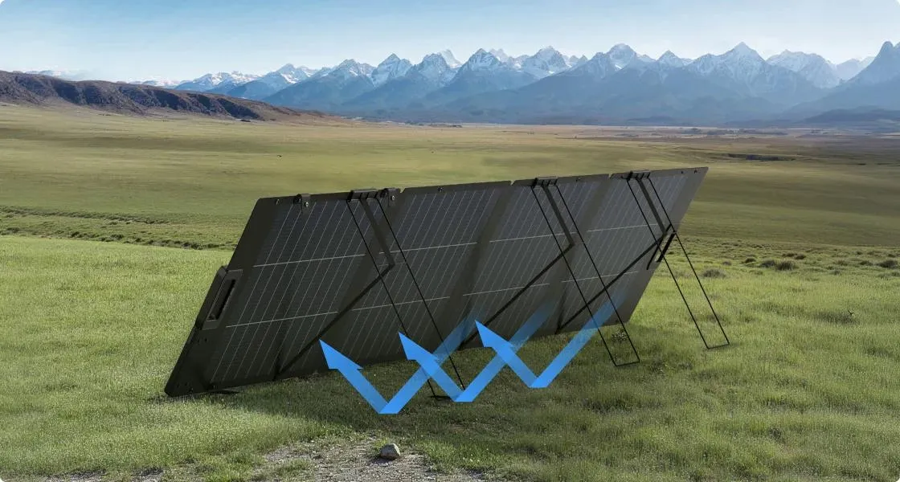
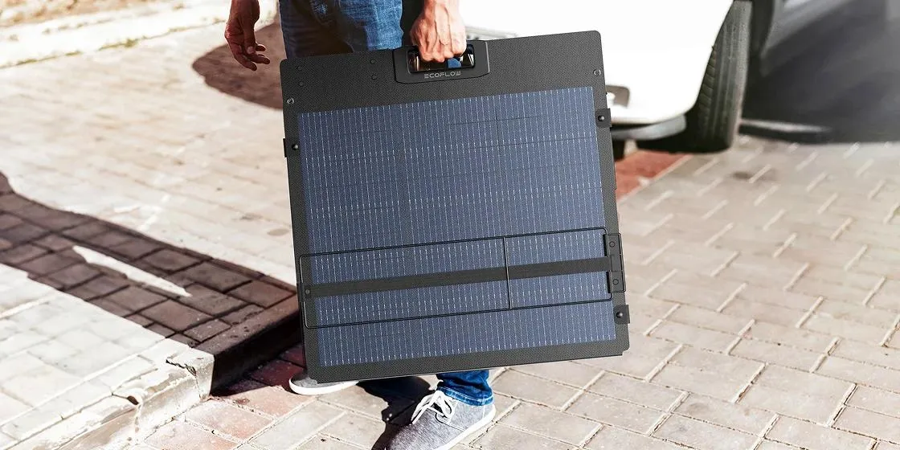
For example, the ecoflow australia NextGen 220W Bifacial Portable Solar Panel uses MC4 connectors for panel-side solar connections and an XT60 output connector with an 8.20-foot built-in cable. Its IP68 waterproof and dustproof design helps protect connection points and maintain efficient outdoor performance.
How Can You Improve Solar Panel Connector Efficiency?
Choose Compatible, Low-Resistance Solar Panel Connectors
Improving connector efficiency starts with choosing connectors designed for solar use and rated for the system’s voltage and current. Low-resistance connectors with strong contact pressure help reduce voltage drop and prevent unnecessary heating. Compatibility is critical.
Use matching connector types from the intended connection family, and pair them with the correct solar cable size so the crimp and seal perform as designed. MC4 connectors remain a common choice because they provide secure locking, weather resistance, and broad compatibility with modern panels.
For portable or expandable setups, confirm how the panel output interfaces with your power station or extension cables before installation.
It also helps to minimize the number of connector pairs in the circuit, since each additional connection introduces another small resistance point that can slightly reduce total energy transfer efficiency.
Inspect, Clean, and Maintain Solar Connections Safely
Regular inspection and maintenance keep connectors efficient by catching small problems before they turn into measurable power loss. Check for dirt, oxidation, loose fittings, cracked housings, worn seals, or discoloration caused by overheating.
Clean dry connectors carefully with appropriate tools and remove debris that may interfere with full contact. If a connector shows burn marks, corrosion, or physical damage, replace it rather than trying to force continued use.
Always disconnect power safely and follow manufacturer instructions before touching solar wiring, because live DC connections can arc.
During installation or service, confirm that connectors are fully locked and cables are strain-relieved so movement does not weaken the contact over time. A simple maintenance routine helps preserve low resistance, stable voltage, and consistent solar output throughout the life of the system.
Conclusion
Solar panel connectors affect energy efficiency in a direct and measurable way. When connectors are clean, compatible, and properly installed, they keep resistance low, reduce voltage drop, and limit heat buildup. That allows more of the electricity generated by the panel to reach the battery, inverter, or power station.
When connectors are loose, corroded, mismatched, or exposed to damage, they create losses that reduce performance and can shorten system life.
The best way to protect efficiency is to use quality connectors, match them to the right cable and equipment, and inspect them regularly. Small improvements at each connection point can preserve more solar power over time and support safer, more reliable system operation.
