

A first round of this classic tile game can look busy, fast, and a little mysterious. Tiles click across the table, players build hidden hands, and every turn seems to carry a small surprise. Still, the basic structure feels much simpler once the table setup, tile groups, and turn order make sense.
That is why a simple guide helps new players settle in before the first draw. The game of Mahjong rewards attention, but it does not ask anyone to memorize every detail at once. A few clear rules, a little table awareness, and a basic hand pattern can turn a confusing start into a fun match.
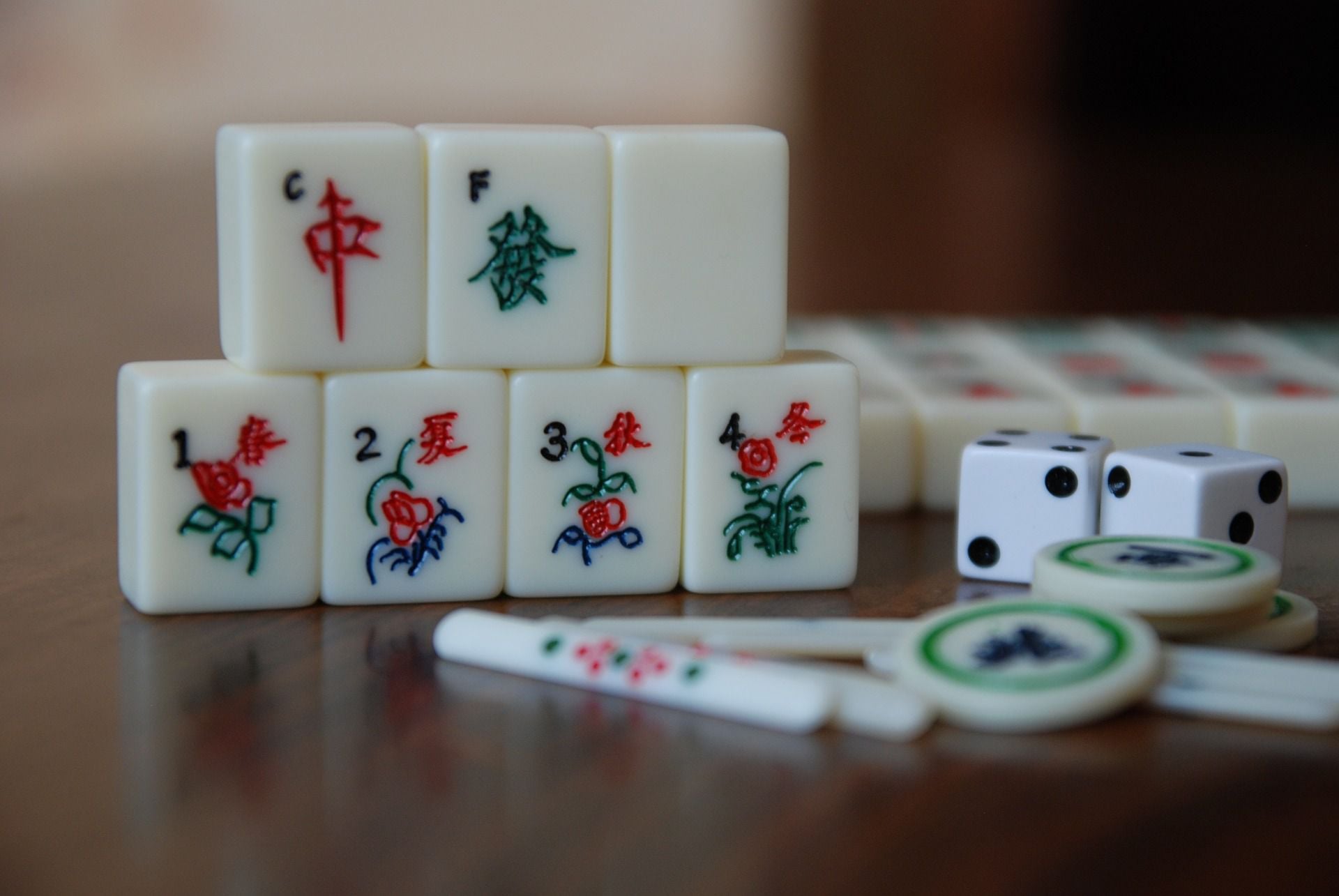
Know The Tiles Before The First Deal
Most sets include three numbered suits, honor tiles, and bonus tiles in some versions. Understanding the tiles and basic rules is fundamental to the game.
The numbered suits are circles, bamboo, and characters, and each suit runs from one to nine. Honor tiles include winds and dragons, and they matter a lot when a hand starts to take shape.
At first glance, the tiles may seem similar, so a short look at each group saves time later. Players usually handle them better after sorting them into neat rows. That quick habit makes matching, discarding, and reading the table much easier.
Learn How The Table Starts
A round begins after players shuffle the tiles and build walls in front of their seats. The dealer then breaks the wall, and each player receives a starting hand. In many casual games, each player starts with thirteen tiles, while the dealer starts with one extra tile.
Seats can matter because winds connect to player positions during the round. East, South, West, and North are more than labels, since they shape scoring in many rule sets. For a first game, it helps to treat seat order as part of the table layout and keep the pace steady.
Understand What Makes A Winning Hand
A standard winning hand usually contains four sets and one pair. A set can be a sequence of three suited tiles in order, such as four, five, six, or three matching tiles, such as three red dragons. The pair is simply two identical tiles.
That pattern gives new players a solid target during each turn. Instead of chasing every possible match, a player can look for clean groups that move the hand toward four sets and a pair. Once that shape becomes familiar, tile choices start to feel far less random.
Read The Table, Not Just The Hand

New players improve faster when they watch discards as closely as their own tiles. Discard rows show what other players may be building and which tiles look safer to throw. That simple table reading adds a layer of strategy without making the game feel heavy.
Open melds also give useful clues. When a player reveals a triplet or sequence, the table can see part of that hand’s direction. Those visible sets help everyone judge the tile value, likely needs, and the general mood of the round.
The first few rounds of Mahjong feel much easier when the hand shape, turn order, and tile groups are clear. A new player does not need every rule at once to enjoy the table.
A calm start, careful discards, and a basic grasp of sets will carry a game a long way. After that, the small details start to make sense through play. That is when the classic tile game becomes less puzzling and much more fun.
