

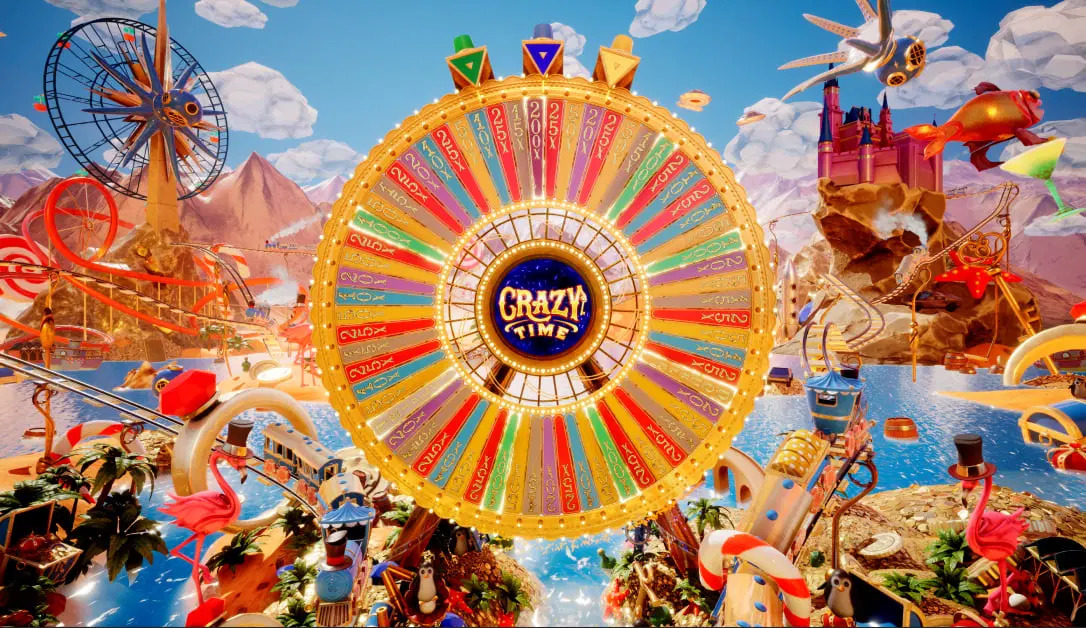
In the world of online gaming, few experiences are as instantly captivating as live, visually rich casino-style games. Titles like Crazy Time stand out not just because of their mechanics, but because of how they stimulate the brain.
The moment players enter the interface – often through platforms where they login Crazy Time BD – they are immersed in a colorful, high-energy environment designed to trigger excitement and anticipation.
From spinning wheels to flashing lights and celebratory sounds, every element is carefully crafted to create a powerful psychological response.
This phenomenon is often referred to as “digital dopamine” – a cycle of stimulation and reward that keeps players engaged. Crazy Time doesn’t rely solely on gameplay; it builds an experience where visuals and sound work together to capture attention and sustain it.
Understanding how this works reveals why such games are so compelling, even for players who are fully aware of the mechanics behind them.
The Science of Dopamine in Gaming
Dopamine is a neurotransmitter associated with pleasure, motivation, and reward. It plays a key role in how humans respond to positive experiences. In gaming, dopamine is released not just when players win, but also when they anticipate a reward.
Crazy Time leverages this by creating constant moments of anticipation. The spinning wheel, the countdown before results, and the possibility of bonuses all contribute to a steady build-up of excitement. Even before an outcome is revealed, the brain is already engaged.
This continuous cycle – anticipation followed by outcome – keeps players coming back. It’s not just about winning; it’s about the feeling leading up to it.
Visual Design: A Feast for the Eyes
One of the most striking aspects of Crazy Time is its visual design. Bright colors, dynamic animations, and constant movement create an environment that is hard to ignore.
Key visual elements include:
- Vivid color schemes: Reds, yellows, and blues are used to grab attention and evoke excitement.
- Animated transitions: Smooth, energetic movements keep the interface feeling alive.
- Large spinning wheel: The central feature acts as both a visual anchor and a source of suspense.
These elements are not random – they are based on psychological principles. Bright colors stimulate the brain, while movement naturally draws the eye. Together, they create an immersive experience that keeps players focused.
Sound Design: The Invisible Hook
While visuals capture attention, sound deepens engagement. Crazy Time uses audio cues strategically to enhance the emotional experience.
From upbeat background music to celebratory sound effects, every audio element serves a purpose:
- Winning sounds: Reinforce positive outcomes and create a sense of achievement.
- Suspenseful tones: Build tension as the wheel slows down.
- Continuous music: Maintains energy and prevents the experience from feeling static.
Sound works on a subconscious level. Even when players are not actively paying attention to it, it influences their mood and perception. The combination of sound and visuals creates a multi-sensory experience that feels immersive and engaging.
The Power of Anticipation
Crazy Time excels at creating anticipation. The spinning wheel is a perfect example of this. As it slows down, players experience a moment of heightened focus and excitement.
This anticipation is carefully timed. The delay between action and outcome is just long enough to build tension without causing frustration. It’s a delicate balance that keeps players emotionally invested.
Each spin feels like a mini-event, with its own build-up and resolution. This repeated cycle reinforces engagement and encourages continued play.
Variable Rewards and Engagement
Another key factor is the use of variable rewards. Players never know exactly what the outcome will be, which keeps the experience fresh and unpredictable.
This unpredictability is crucial. If outcomes were predictable, the game would quickly lose its appeal. Instead, the possibility of different results – especially high-value outcomes – creates a sense of excitement.
Variable rewards are one of the most effective ways to maintain engagement. They tap into the brain’s reward system, encouraging players to continue in the hope of achieving a desirable outcome.
Immersion Through Presentation
Crazy Time is designed to feel like a live show rather than a simple game. Hosts, animations, and interactive elements create a sense of presence and participation.
This presentation style enhances immersion. Players feel like they are part of an event, not just observers. The energy of the host, combined with the dynamic visuals and sound, creates a lively atmosphere that keeps players engaged.
Immersion is a powerful tool. The more involved players feel, the more likely they are to stay engaged.
Emotional Highs and Lows
The combination of visuals, sound, and gameplay creates a rollercoaster of emotions. Excitement builds, peaks, and then resets, creating a continuous cycle.
These emotional fluctuations are key to engagement:
- Highs: Moments of excitement and celebration.
- Lows: Brief periods of disappointment that reset anticipation.
This cycle mirrors real-life experiences, making the game feel more dynamic and engaging. Players are not just interacting with a system – they are experiencing a series of emotional moments.
Attention Retention in a Digital World
In today’s fast-paced digital environment, capturing attention is a challenge. Crazy Time addresses this by constantly providing stimuli.
There is always something happening – spinning wheels, flashing lights, changing sounds. This constant activity prevents boredom and keeps players focused.
Attention retention is crucial for engagement. By minimizing downtime and maximizing stimulation, Crazy Time ensures that players remain involved.
The Role of Familiarity and Repetition
Repetition plays an important role in reinforcing engagement. The consistent structure of the game – spin, anticipation, outcome – creates a familiar pattern.
This familiarity is comforting. Players know what to expect, even if the outcomes are unpredictable. It creates a balance between novelty and stability.
Over time, this repetition strengthens the connection between the player and the game, making it easier to return and continue playing.
Why It Works So Well?
The success of Crazy Time lies in its ability to combine multiple psychological principles into a cohesive experience:
- Dopamine-driven anticipation
- Engaging visuals and sound
- Variable rewards
- Emotional cycles
- Immersive presentation
Each element reinforces the others, creating a system that is greater than the sum of its parts.
Final Thoughts
Crazy Time is more than just a game – it’s a carefully designed experience that leverages the psychology of attention, reward, and emotion.
From the moment players login Crazy Time BD, they are drawn into a world where visuals and sound work together to create a powerful sense of engagement.
The concept of digital dopamine explains why this experience feels so compelling. It’s not just about outcomes – it’s about the journey, the anticipation, and the emotional highs and lows that come with it.
In the end, Crazy Time demonstrates how modern game design can transform simple mechanics into deeply engaging experiences.
By understanding these principles, players can better appreciate the artistry behind the game – and the reasons it keeps them coming back.
