

Online entertainment in 2026 looks nothing like it did a couple of years ago. Streaming, gaming, and online casinos have all been through real change, and the platforms that understood where things were going are in a far better position than the ones that did not. This article gets into what actually shifted and why it matters.
Nobody Predicted It Would Go Quite Like This
If you’d asked anybody in the online entertainment business back in 2022 about how it would all look in 2026, you might have been surprised how wrong it could all be. The assumption was simply made that streaming had won. Netflix, Disney, the others. Done.
Gaming was already big and online casinos were this thing in the background that people did not really talk about in the open.
None of that held. Streaming ran into a wall it did not see coming. Gaming got bigger and weirder and more social than anyone planned for. And online casinos had quietly one of the best few years the sector has ever seen.
The common thread across all three is simple. People stopped being passive. They started actually choosing what they wanted rather than just accepting whatever was in front of them.
Online Casinos Had a Quietly Brilliant Run
The numbers are real. Better mobile platforms, faster payouts, wider game libraries, and a player base that actually knows what it wants. Players in 2026 look things up before they play. Things like the best rtp slots before they open a game.
They know what return-to-player means. They know which providers to trust. The platforms built for that kind of player are doing well. The ones that relied on player ignorance are not.
Mobile is the single biggest factor. Most sessions now happen on a phone and the gap between a platform that was built properly for mobile and one that did not is immediately obvious.
You feel it when you open the app. Load times, navigation, getting to the cashier. The good ones feel effortless. The others feel like you are fighting the interface just to play a game.
Streaming Had to Find Itself Again
The streaming bubble did not burst exactly. It deflated. Prices went up, password sharing got cracked down on, and a lot of subscribers looked at their monthly charges and decided they were paying for things they did not watch. Cancellations followed.
The platforms that handled it best were the ones that had spent money on content people actually cared about rather than volume.
Live content turned out to be the answer nobody expected. Sport, live events, real-time programming. Seems like people don’t actually want to watch everything at their leisure after all, at least not exclusively. Sometimes they want to watch something when everyone else is and immediately digest it poststream.
Streaming networks that jumped into live have been the obvious beneficiaries. The ones that missed it are still trying to figure out what to do.
Gaming Got Bigger and Stranger Than Expected
The audience kept expanding
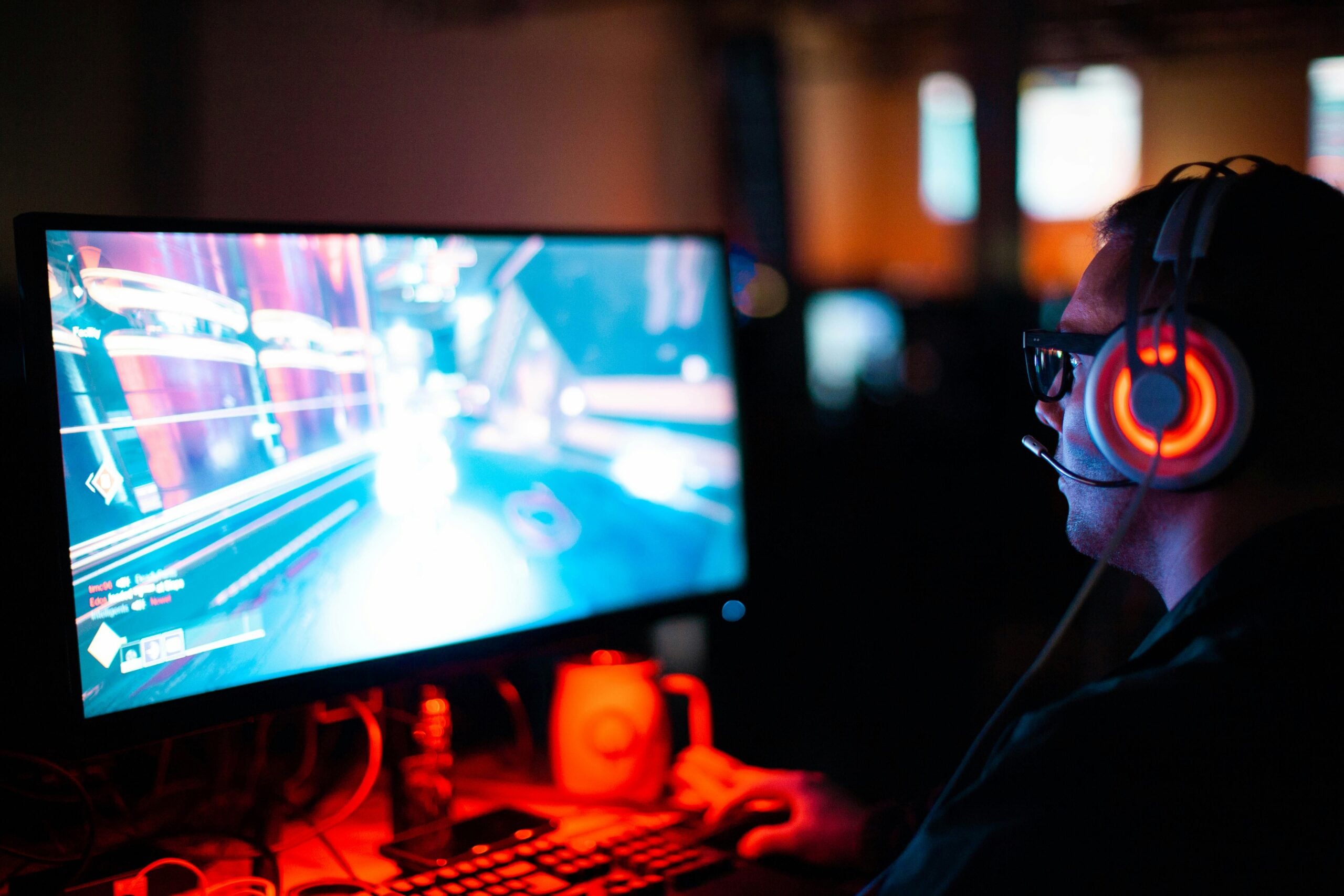
Gaming is no longer a game – not according to today’s users – at least not in 2020. The users have grown old, are now bigger, have started including more diverse communities, and play on many more devices and in various modes.
Because the hardware barrier was removed, players who never would have been willing to drop the dough for a gaming PC or console could get access.
Casual mobile titles brought in people who would never have called themselves gamers. And the social layer that has been built into almost every game now means that for a lot of players, the game itself is almost secondary to the people they are playing it with.
Watching became as popular as playing
Video streaming for games has grown into a legitimate industry of entertainment now. Video games with live streams still sound CRAZY when you’re not a part of this community. But the audience numbers are serious. In some demographics they rival traditional television.
Casino content found its way into that space too. Live slot sessions and casino streams pull real audiences. The energy of watching someone take a risk in real time translates better to screen than most people would expect.
What the Platforms That Are Winning Have Figured Out?
It is not luck. The platforms doing well in 2026 across all three categories share a specific set of things. Here is what they consistently get right while others consistently miss:
- Mobile is the main event: not a version of the desktop experience. A purpose-built mobile product that actually works on a phone without compromise.
- Something to come back for: new content, live events, game drops, rewards. A reason to open the app tomorrow that did not exist yesterday.
- Transactions that do not get in the way: fast deposits, fast withdrawals, no unnecessary steps between wanting to do something and doing it.
- Trust built over time: Not the result of branding, but the result of always showing up consistently-especially when it goes wrong.
The platforms that are struggling missed at least two or three of those. Users in 2026 have enough alternatives that staying with something of bad or below average quality is a genuine choice, and most people do not want to make that choice anymore.
Bottom Line
Gaming, streaming, and gambling are competing for the same hours in the same day from the same people. The platforms that understand they are in that fight, and build accordingly, are going to do better than the ones still thinking about their sector in isolation.
For users it is a good time to be paying attention. Competition at this level produces better products. More platforms fighting for your evening means more of them actually trying to deserve it.
The ones that do not try hard enough are easy to leave. That is a dynamic that did not exist a few years ago and it is genuinely working in the consumer’s favour right now.
