

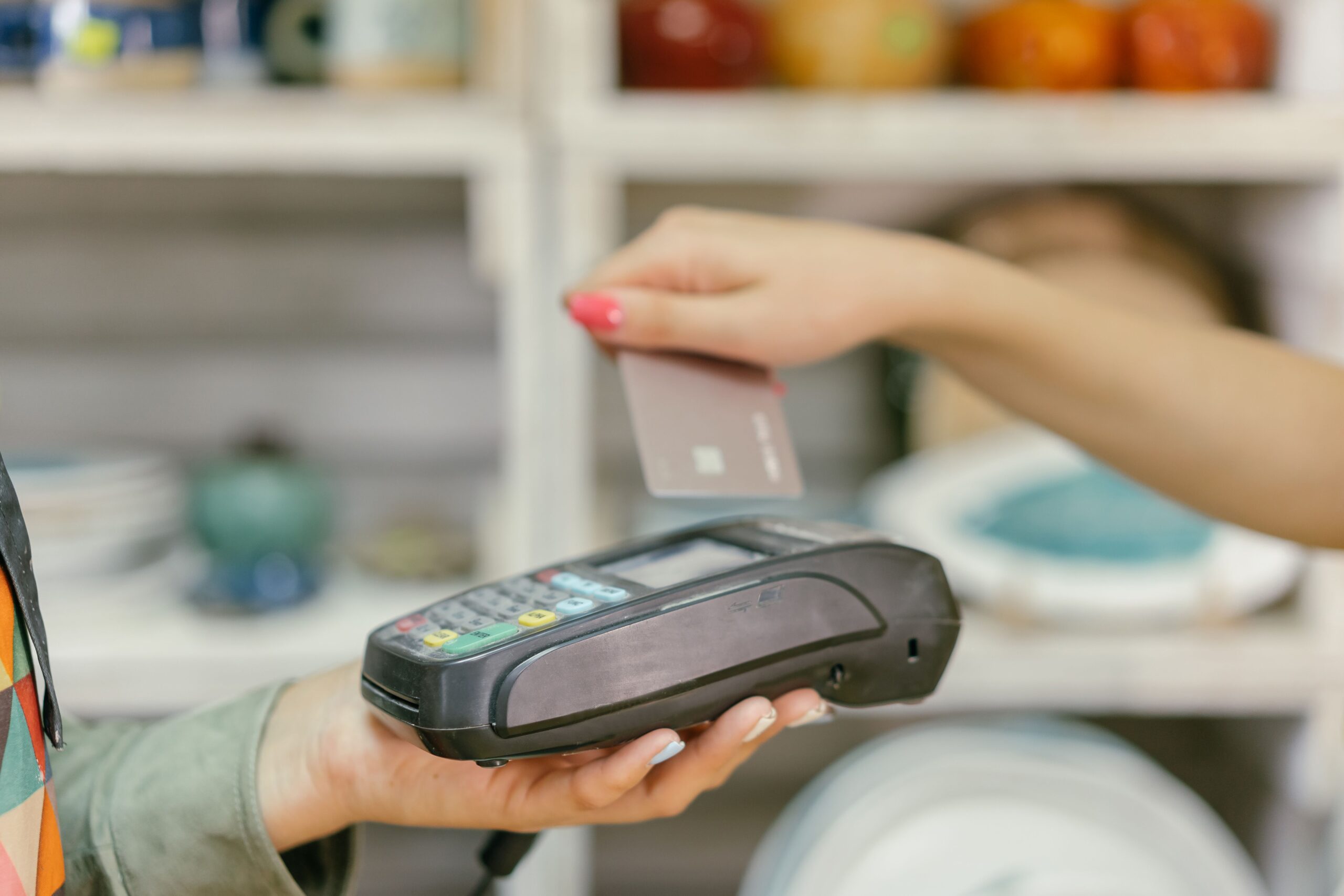
An eCheck feels almost unfashionable beside instant wallets, app-based banking and one-tap card payments. That is partly why it still tells an interesting story. Not every useful payment method survives because it looks new. Some survive because they behave predictably.
For Canadian casino players, eCheck sits in that quieter category. It is not the loudest option on the cashier page and it is not available everywhere, but it still answers a specific need: moving money through a bank-authorized route that feels separate from cards, wallets, or crypto accounts.
Old Payment Rails Still Solve Modern Checkout Problems
A modern payment page is full of shortcuts. Some promise speed. Others promise convenience. eCheck does something plainer. It lets a user authorize a payment from a bank account without sending the transaction through a card network.
That difference matters in online casino payments because the payment is not only about making a deposit. It may also touch identity checks, withdrawal rules, account ownership and the operator’s own risk controls.
A card payment can feel faster, but an eCheck can feel more deliberate. That point is easy to miss when newer platforms are framed around automation, cloud infrastructure and digital security.
In practice, future-facing business technology does not always remove older rails; it often changes the environment around them.
Canada’s payment data helps explain why. Payments Canada reported that electronic funds transfer represented 14% of Canadian payment volume in 2024, but 63% of total payment value. Online transfers also led five-year payment growth from 2020 to 2024, rising 175% in volume and 219% in value.
A direct link between those payment figures and eCheck casino activity would be difficult to prove. What they do suggest is that Canadians continue to use bank-based payment methods for significant amounts of money, even as newer digital payment options become more common.
Why eCheck Feels Different From Cards And Wallets?
An eCheck is usually described as an electronic version of a check, but the better way to understand it is as a bank-authorized payment. The user provides banking details, authorizes the transfer and lets the casino process the deposit through an account-linked route.
The trade-off is time. Card and wallet deposits are built around speed. eCheck deposits can be quick, but the full payment experience may still involve slower settlement, withdrawal checks and bank-dependent processing. That makes it less attractive for players who want every transaction to feel instant.
Publicly listed Canadian eCheck casino data shows typical details such as $5 to $5,000 deposit limits, $10 to $5,000 withdrawal limits, instant average deposit times, one- to three-day average withdrawals and bank-dependent processing fees of about $0.30 to $1.50.
Those details give eCheck a different place in the cashier menu. It is not trying to beat mobile wallets on speed. It suits users who would rather have a direct-from-account method with clear limits and a visible route back to their bank account.
Alternative Payments Are Still Fragmented
“Alternative payments” sounds like one category. It is not. In practice, it includes bank transfers, wallets, prepaid options, crypto rails and account-verification tools that behave very differently from each other.
The Bank of Canada’s 2024 Methods-of-Payment Survey described mobile and other alternative payment methods as continuing to grow in importance.
That does not mean every alternative method grows in the same way. Some gain attention because they are fast. Others keep a smaller audience because they solve a specific problem.
That is where eCheck fits. It is not a trendy payment layer. It is a practical one. For a casino player who wants separation from cards, a bank-linked payment can feel cleaner than adding another wallet or using a payment account they do not normally touch.
The same expectation now appears across wider online services, where payment choices need to feel secure without making checkout harder to use. eCheck’s appeal depends on that balance.
The Details Matter More Than The Logo
The cashier page does not need to make eCheck look modern. It needs to make the terms understandable. Processing times, deposit limits, withdrawal routes and possible fees matter more than a familiar logo at the point of payment.
For players comparing online casinos that accept eCheck, Casino.org is a useful reference because it reviews online casino operators and explains payment methods, responsible gambling tools and industry news.
Its Canada eCheck guide shows how deposits, withdrawals, payout times and payment rules can vary between sites.
That source matters because eCheck support is not automatic. A player may see bank-linked payments at one casino and not at another.
Even when eCheck is available, the useful question is whether the operator explains limits and withdrawal steps clearly enough before the deposit is made.
A Small Payment Method In A Large Casino Market
Ontario’s regulated market shows why even niche payment methods matter. iGaming Ontario reported $69.6 billion in casino wagers in 2024-25, up 34% from the previous year and $2.4 billion in casino gaming revenue, up 36%.
Those figures are not about eCheck alone. They show the size of the environment where payment choice has to work. In a market that large, different users arrive with different payment habits.
Some want instant transfers. Some prefer cards. Others want a method that feels closer to a bank instruction than a retail checkout.
That is what steady adoption looks like here. eCheck does not need to dominate the cashier page to remain relevant. It only needs to keep serving the users who value traceability, account separation and a slower payment rhythm.
The newest payment method is not always the one that solves the problem. In Canadian casino payments, eCheck remains useful because it does not pretend to be new. It behaves like banking and for some players that is still the point.
