

There was a time, not even a decade ago, when ‘mobile gaming’ was a polite euphemism for something you did while waiting for the bus.
A distraction. A lesser thing. Those days are gone, and frankly, they’re not coming back. In 2026, mobile-first gaming platforms aren’t competing with desktop and console experiences; in many categories, they’ve outpaced them.
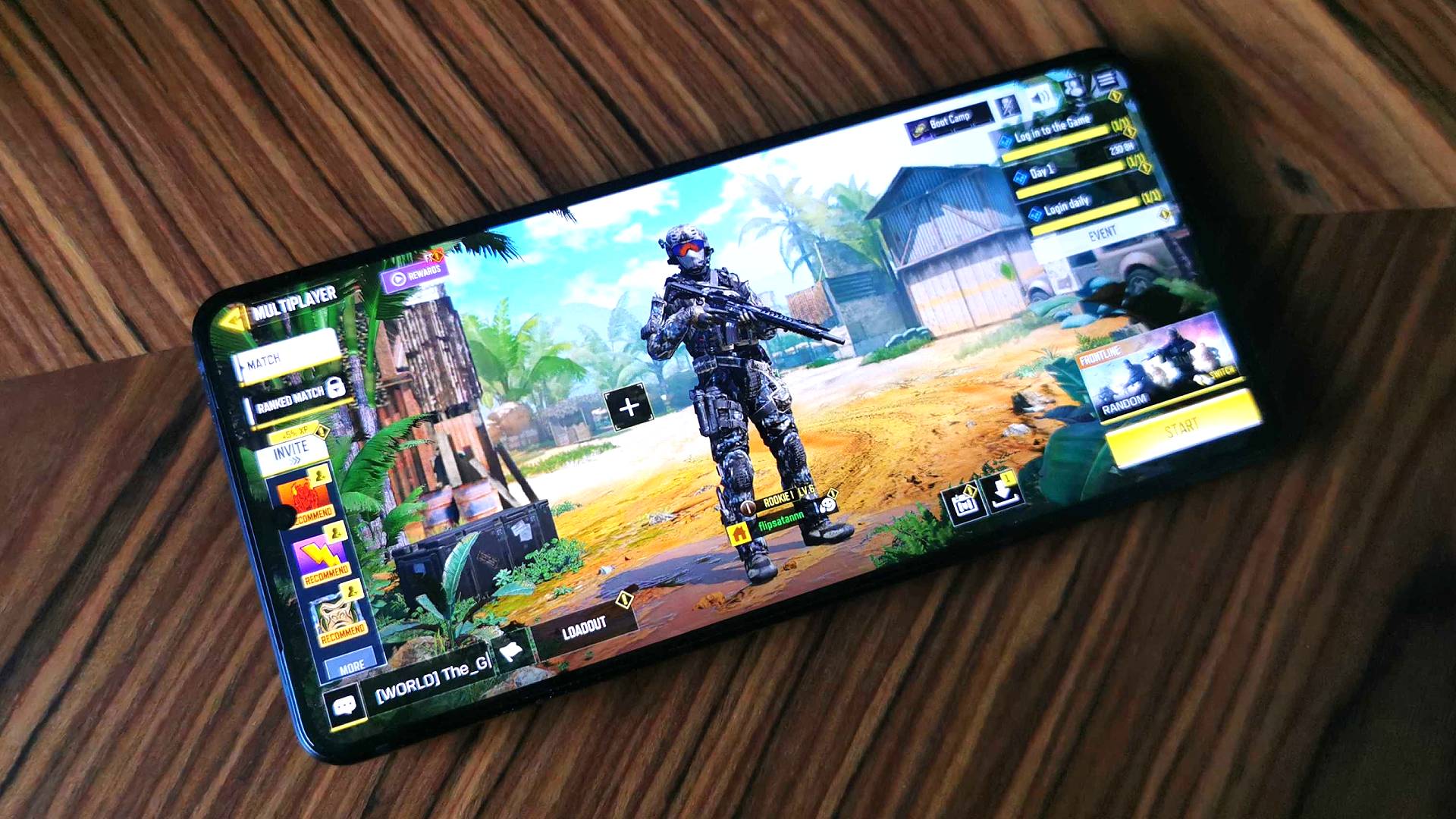
The shift isn’t just technical. It’s philosophical. Platforms are no longer porting the PC experience down to a smaller screen; they’re building from the ground up with the thumb, the glance, and the commute in mind.
This transformation has been especially dramatic in the online gaming and gambling space. Operators and reviewers who once treated mobile as an afterthought are now leading with it.
If you spend any time on https://inoutgames.com/, a comprehensive online gambling review portal covering casinos, bonuses, and game mechanics, you’ll notice how much of their coverage is now framed around mobile performance: load speeds, touch-optimized interfaces, whether a live dealer table actually works well on a 6-inch screen. That’s not an editorial choice. That’s a reflection of where the audience is.
The Interface Revolution: Designing for the Thumb, Not the Cursor
The single biggest UX shift in mobile-first gaming platforms over the last two years has been the complete rethinking of interface hierarchy. Classic game UI was built around the cursor, a precise, hoverable, right-clickable instrument.
The thumb is none of those things. It’s imprecise, it occludes the screen, and it has a natural range of motion that favors the bottom third of the display. Platforms that have internalized this are the ones pulling ahead.
The best mobile-first platforms in 2026 place their primary action buttons, the ones players hit dozens of times per session, within what designers call the ‘thumb zone’: roughly the lower-center region of the screen.
Navigation menus have migrated from hamburger icons buried in top corners to persistent bottom bars. Settings, wallets, game libraries, all within a single natural thumb arc. It sounds like a small thing.
It absolutely isn’t. When friction disappears from an interface, play sessions get longer and return visits go up. That’s not a hypothesis; it’s the data these platforms are living on.
Equally important is what these platforms are cutting. The temptation in gaming interfaces has always been to add more stats, more overlays, more notifications. Mobile-first design philosophy in 2026 is ruthlessly subtractive.
What actually needs to be on screen during play? Almost nothing, it turns out. The game itself. A clearly visible balance or score. One tap to access everything else. The platforms winning on user retention are the ones that got comfortable with space.
Key interface principles driving mobile-first UX gains in 2026:
- Thumb-zone-first layout: all primary interactions accessible without repositioning the hand
- Haptic feedback integration: replacing visual confirmation cues with tactile responses for faster play
- Adaptive display scaling: UI elements that reflow dynamically across notch types, aspect ratios, and foldable screen configurations
- One-thumb navigation: entire account, game library, and payment flow navigable without switching grip
Personalization at Scale: When the Platform Learns You
The second seismic shift is what’s happening beneath the surface. Mobile-first gaming platforms in 2026 have access to a level of behavioral data that earlier platforms could only dream about. They know not just what you play, but when , at 7am on the train, or at 11pm on the couch.
They know how long your sessions run before you bail, which game categories hold your attention versus which ones you sample and abandon, and how your spending patterns correlate with time of day, day of week, and even notification type.
What the leading platforms are doing with that data now goes well beyond ‘recommended for you’ carousels. AI-driven personalization engines are reshaping the entire session experience in real time.
A player logging in during a 15-minute lunch break gets a different lobby layout, shorter-format games surfaced first, progressive jackpot tickers prominent, and one-tap resume on any paused game, compared to the same player logging in on a Sunday afternoon with two hours to spare. The platform adapts. Silently. Frictionlessly.
This isn’t just about convenience, it’s about relevance. The gaming platforms that have cracked personalization at scale are seeing dramatically lower early-session abandonment rates.
When the first thing a player sees is actually something they want to play, the session starts. When it’s a cluttered generic lobby, it often doesn’t. This sounds obvious in retrospect. It took the industry an embarrassingly long time to act on it.
There’s also the question of responsible personalization, something the best platforms are now threading carefully. AI that surfaces games based on engagement patterns is powerful; AI that surfaces high-stakes options to players showing signs of risk behavior is a genuine ethical problem.
In 2026, the regulatory pressure around this has sharpened considerably, and mobile-first platforms operating in regulated markets are having to build ethical guardrails directly into their personalization architectures. The ones doing it well are turning it into a trust signal, not a compliance burden.
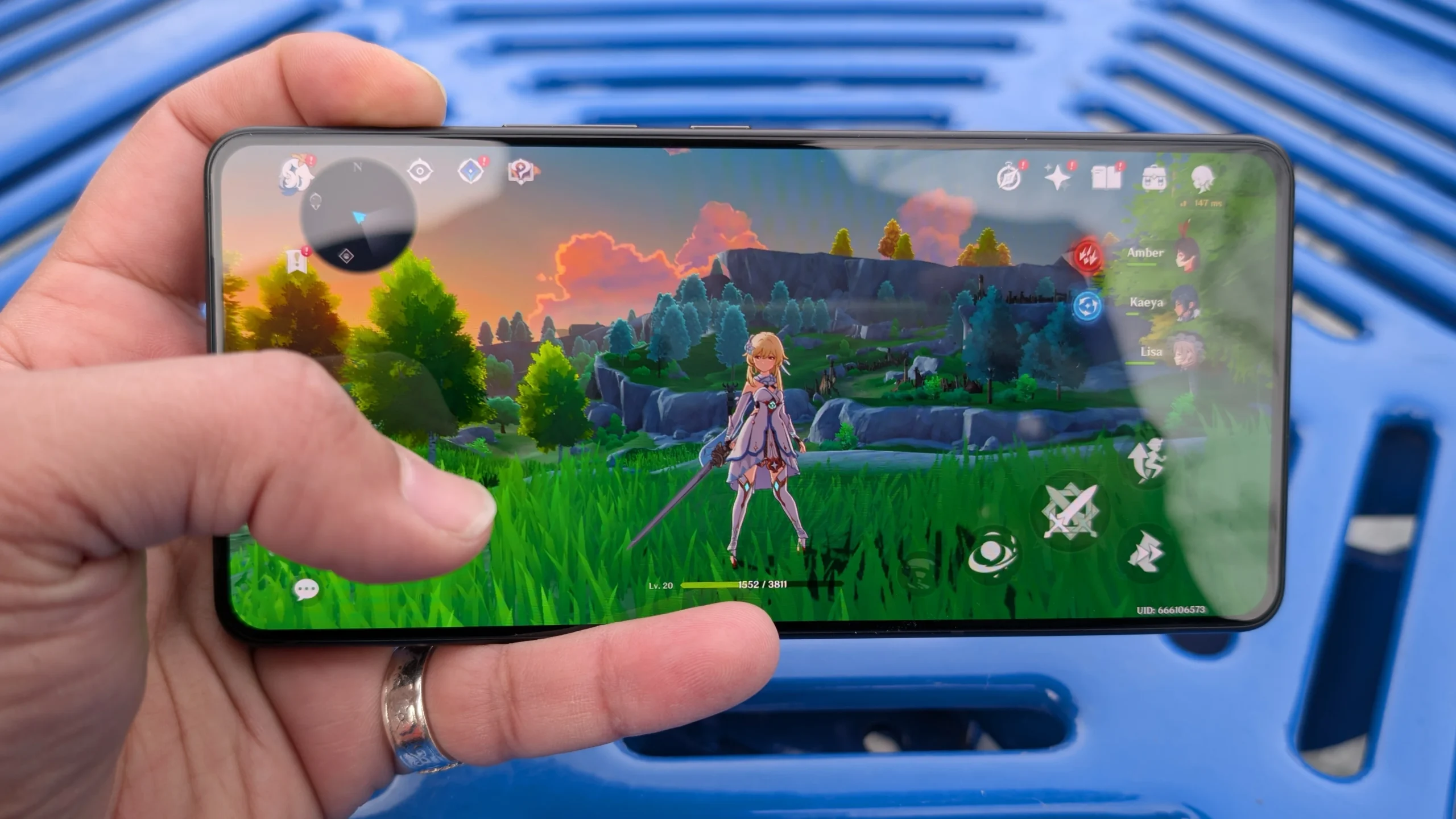
Social Infrastructure: Play Is No Longer a Solo Activity
The third axis of disruption is one that the traditional gaming industry consistently underinvested in: social infrastructure. For years, ‘social features’ in mobile gaming meant a leaderboard and maybe a chat button nobody used.
The mobile-first platforms redefining UX in 2026 have understood something fundamental: people don’t just want to play, they want to play within a community. They want their wins to mean something to someone.
This has manifested in genuinely novel ways. Watch-and-play modes let users observe friends’ live sessions with real-time emoji reactions, a mechanic borrowed from streaming culture and embedded directly into the platform UI.
Shared tournament brackets with asynchronous play formats mean a group of friends in different time zones can compete in the same event without coordinating schedules.
Social gifting mechanics, sending bonus spins and sharing unlocked content have become meaningful retention tools in ways that discount codes never were.
Social features now considered table stakes on leading mobile-first platforms:
- In-platform friend activity feeds showing what peers are playing, winning, and unlocking in real time
- Asynchronous multiplayer tournaments with push notification milestone alerts
- Social gifting systems, transferable bonuses, shared unlocks, and group reward pools
- Integrated live streaming with real-time audience interaction baked into the game client itself
What’s striking about the platforms executing this well is how invisible the social layer feels. It doesn’t interrupt. It doesn’t demand.
It’s simply there, enriching a session that would have been fine on its own, making it something you mention to a friend later. That’s the design goal: social features that feel less like features and more like the natural texture of play.
The broader truth is that mobile-first gaming in 2026 isn’t about shrinking an experience to fit a phone. It’s about building experiences that are only possible because of the phone, the connectivity, the sensors, the always-on presence, and the social graph.
The platforms that have grasped this distinction are not playing catch-up to anyone. They’re setting the pace, and the rest of the industry is learning to follow.
