

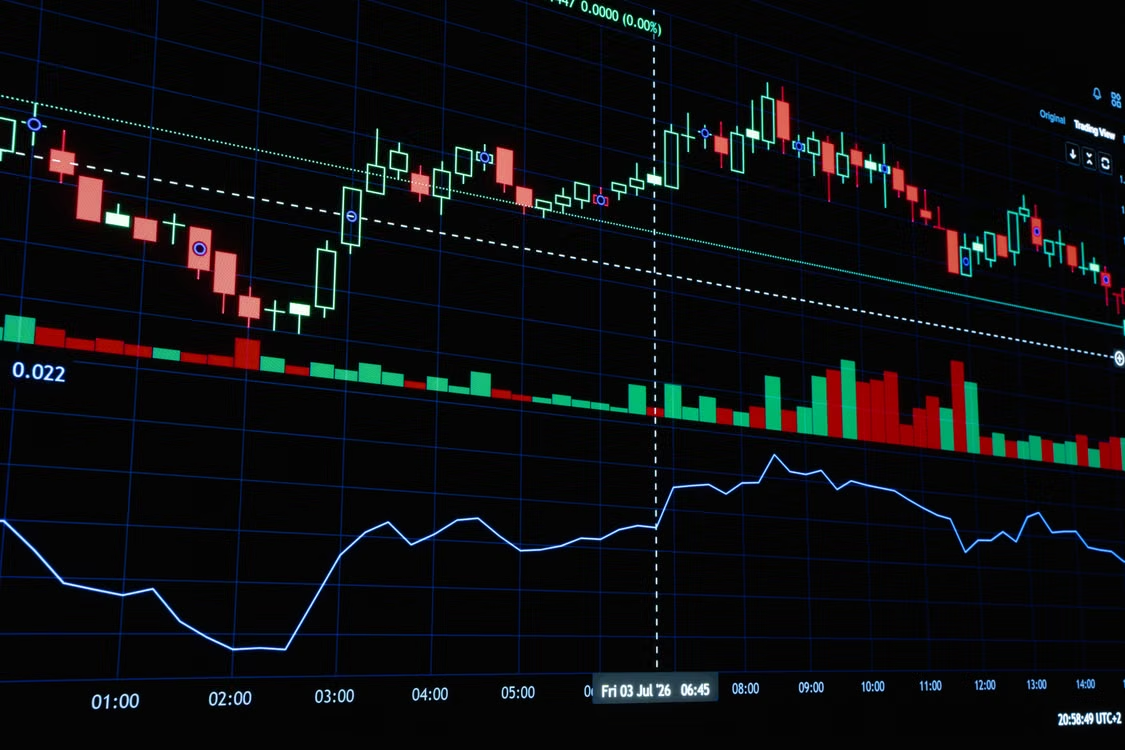
The rise of technology has had numerous effects on our everyday lives, but one of the most intriguing is the way it is being used to predict the future. Increasingly, the science of probability analysis is less about theoretical modelling and more about data-driven computational simulations.
The emergence of AI and machine learning is helping to further that shift. They make it easier to collate relevant data and analyse it for patterns and connections, before arriving at probabilities that can be used for forecasting.
It is a process that many sectors deploy now, from financial advisors to weather forecasters. It is also used to let people place bets on prediction platforms like Polymarket.
In this article, we are going to cover these subjects in a bit more depth.
Data-Driven Forecasting
At the heart of every tech-based predictive algorithm is historical data. Without it, those algorithms cannot forecast future events because there is nothing to base the forecasts on.
Data relevant to the events in question must be fed into the chosen model so that the algorithm can analyse it and identify key connections and patterns. They are used to provide the predictive framework.
A consequence of this is that data-driven forecasts can change depending on how much information is available. Further data can alter the underlying patterns and lead the algorithm to draw different conclusions.
Real-Time Information
One of the things that makes data-driven forecasting so revolutionary is that its frameworks can be updated in real-time based on live data.
Whereas earlier forms of statistical probability are static and must operate on the assumption that patterns will keep repeating, tech ones can be constantly adjusted in response to real-world events.
These events provide fresh data to refine forecasting. This is a big leap forward, because the world is volatile and the course of events can change very suddenly. Having predictive models that are responsive to that makes accurate forecasting more likely.
Prediction Platforms
One outgrowth of data-fuelled forecasting is the development of predictive platforms. The most famous of those platforms is called Polymarket.
It is a decentralised crypto-based platform that lets people wager on the outcome of events that have not yet happened.
These can be anything from sporting events to elections. Users are asked a ‘yes’ or ‘no’ question and purchase shares in one or the other.
The platform is so popular now that the gambling industry is offering promotions centred on it. For example, this Polymarket promo code available on Casino.org gives users access to an exclusive trading bonus after making a deposit.
Growing interest in forecasting markets has encouraged many users to explore opportunities tied to as they learn more about the space.
It is not difficult to understand what lies behind this burgeoning enthusiasm. Predictive models that rely on hard data and that will update as more information becomes available reduce the risk involved.
Of course, it does not eliminate risk. It is the mix of objective data and personal opinion that makes platforms like these so interesting, so some element of risk is crucial to their appeal.
The Wider Digital Economy
The technology is already starting to filter through to the wider digital economy. Some of the predictive algorithms in widespread use include Time Series Models, Logistic Regression, and Linear Regression.
Data-driven predictive models can be useful to companies when they are deciding on a strategic direction. Being able to detect future trends and consumer behavioural changes will enable companies to plan more effectively for long-term growth. It will also ensure they meet consumer needs, which helps with customer retention.
Accurate data-driven forecasts that offer real-time updates will assist companies in minimising risk too. The ability to identify hazards before they become a problem will save a lot of time and money.
Few sectors do not stand to benefit. For example, online retail SaaS sites can use these predictive models to make seasonal staffing decisions, maintain up-to-date stock records, and identify changes in consumer preferences.
The finance industry can utilise them to make better and more profitable investments. They can reduce the degree of risk when buying and selling stocks and shares.
Meanwhile, online entertainment platforms can deploy predictive algorithms to track customer tastes and preferences, at both the individual and mass level. This will let them personalise user experiences and create content that capitalises on hot trends.
Data is central to forecasting now, and the result of that is greater responsiveness and accuracy. The predictive models that are being built are enabling more people to forecast what the future will hold. Forecasting will never be an exact science, but it can be improved.
