

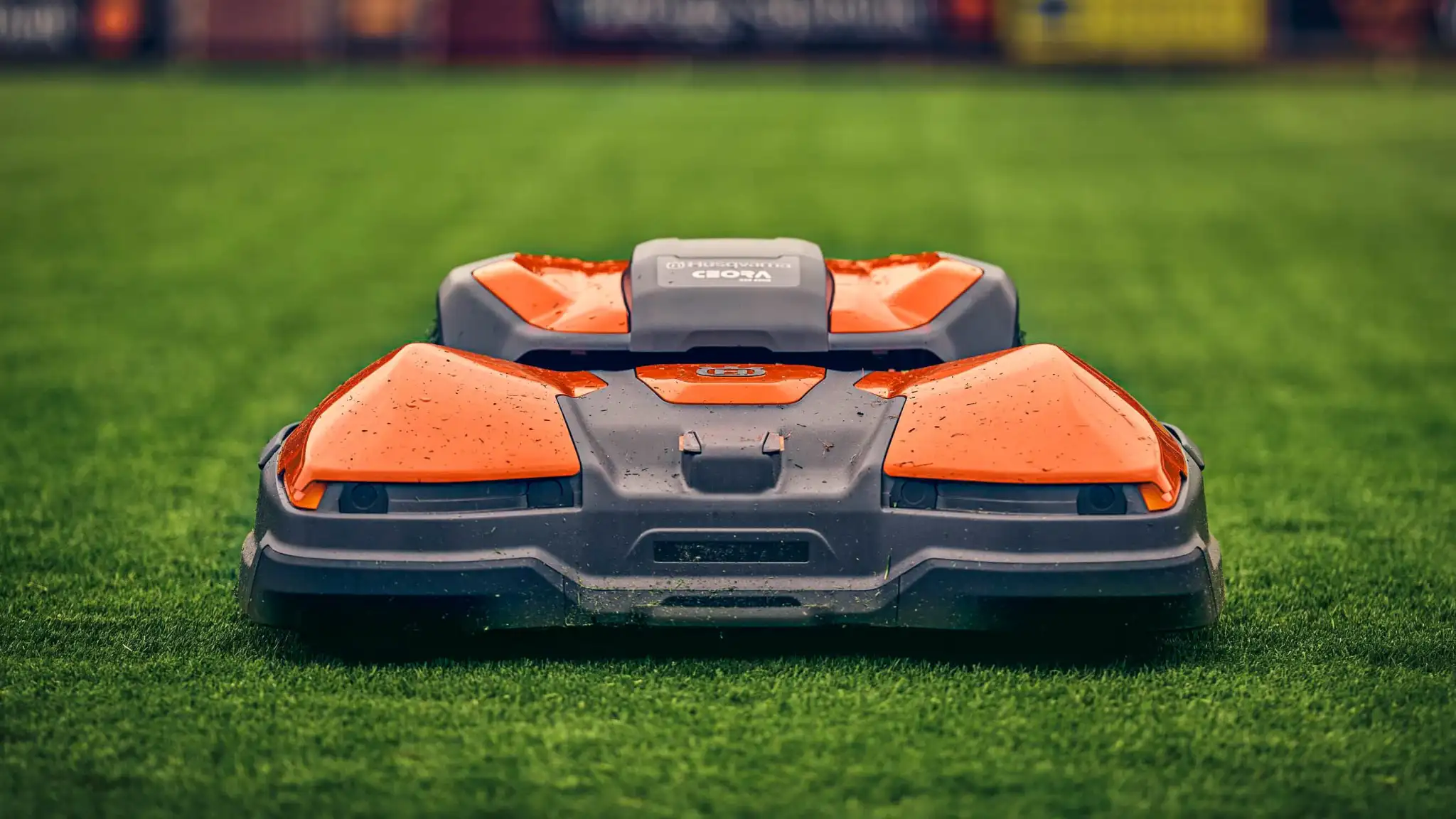
Groundskeeping, a discipline once reliant entirely on manual labor and physical measurement, now incorporates precision robotics, satellite navigation, and edge computing. Turf managers oversee cyber-physical systems that integrate directly into stadium architectures and workflows.
This shift reflects a broader enterprise trend where physical tasks are digitized to improve operational consistency, reduce material waste, and optimize resource allocation.
By adopting connected hardware, sports complexes address pressing workforce shortages while maintaining strict regulatory standards for their playing surfaces.
Precision Hardware and the Autonomous Field Painter
The most visible application of this technological shift is the deployment of autonomous line-marking systems. Historically, preparing a soccer pitch or football grid involved multiple staff members measuring dimensions, pulling string lines, and pushing manual paint sprayers.
This traditional process could take several hours, introducing constant opportunities for human error, crooked lines, and inconsistent paint application. Today, facility directors can deploy a field marking robot to execute these tasks with mathematical exactness.
These machines operate via global navigation satellite systems. By connecting to a local base station, the equipment achieves real-time kinematic positioning, allowing the hardware to mark lines with centimeter-level accuracy.
The operator selects a specific field template on a digital tablet interface, positions the robot at a starting waypoint, and allows the system to work independently. Because the software handles the geometric calculations, Turf Tank equipment can complete a full soccer field in under 30 minutes.
This automation ensures the lines adhere to the strict dimensional standards required by professional sports governing bodies and collegiate leagues.
Mechanical refinements, such as low-pressure pump systems and interchangeable sprayer nozzles, minimize the amount of paint wasted during the application process.
Swappable battery units allow the machine to run continuously across multi-field complexes, proving that mechanical engineering is just as vital as the software algorithms.
Transforming Turf Management Through Data and AI
As local arenas evolve into interconnected stadiums, facility operators deploy artificial intelligence and sensor networks to coordinate maintenance routines.
These environments rely on data analytics to manage crowd flow, monitor energy usage, and direct autonomous cleaning systems. The same technological principles apply directly to the playing surface itself.
The broader sports technology sector is expanding steadily, with the global market projected to reach USD 68.71 billion by 2030. A large portion of this capital investment targets stadium analytics, automated maintenance platforms, and connected equipment that can lower long-term operating costs.
For athletic directors and turf professionals, integrating machinery requires a new technical skill set. Agronomy, soil science, and horticulture remain foundational knowledge, but operators must now understand data literacy, software configuration, and robotic diagnostics.
Transitioning from tape measures to tablet-controlled robotics demands flexibility to learn digital interfaces. Industry professionals are equipped for this shift: “Sports field and turfgrass managers of all kinds are used to adaptation, and this will serve them well as more and more AI is coming online.” — Editorial Team, Covermaster.
Incorporating artificial intelligence into turf management helps grounds teams elevate their daily workflows from reactive upkeep to strategic facility planning.
Overcoming Labor Shortages with Automated Equipment
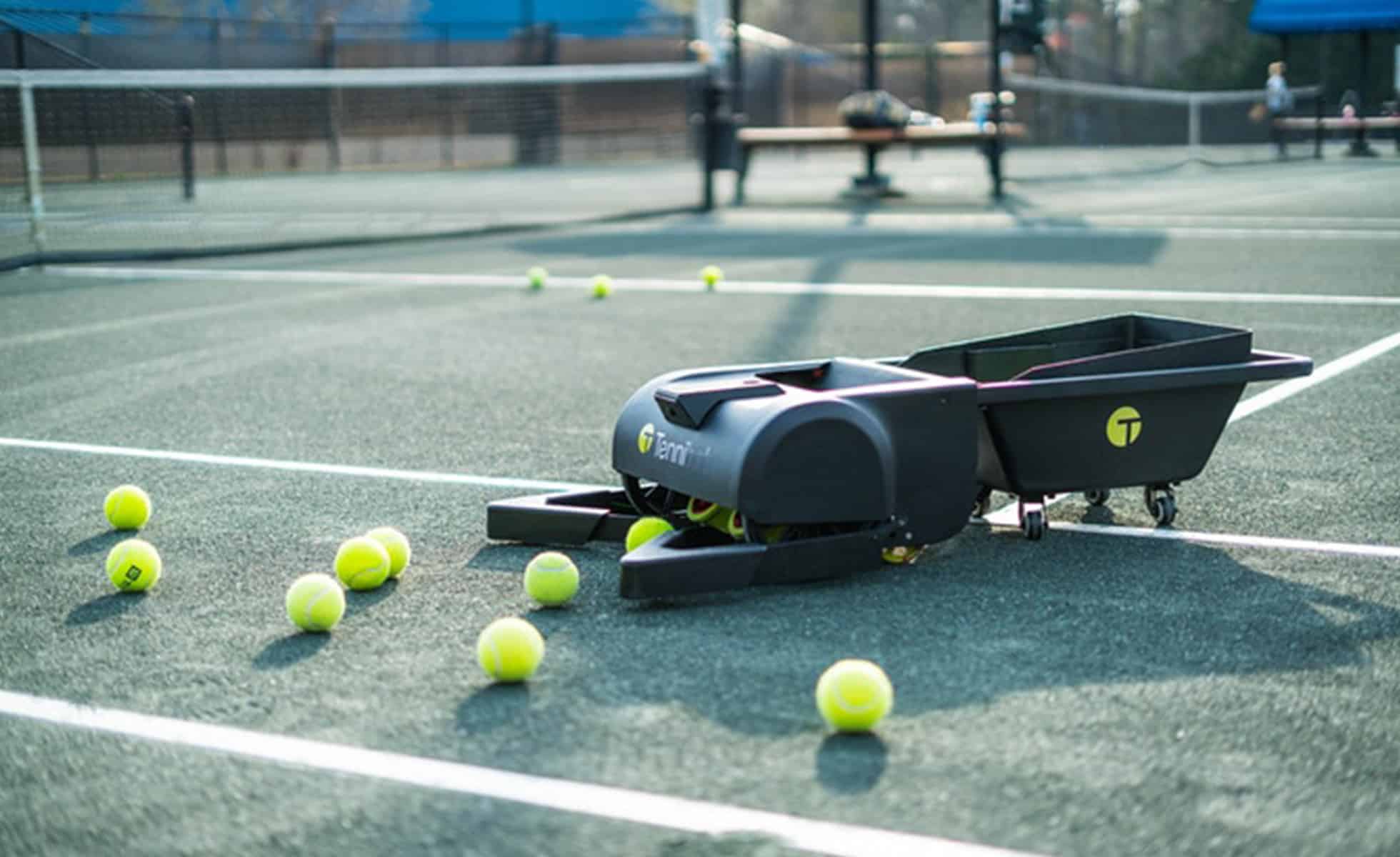
The business case for adopting automated platforms is heavily influenced by current labor market dynamics. Facility managers across school districts, municipalities, and professional leagues frequently struggle to recruit and retain staff for physically demanding maintenance roles.
When a grounds team is understaffed, repetitive tasks like remarking fields consume hours that could be spent on turf health analysis, safety inspections, or event logistics.
Integrating robotics into the weekly maintenance schedule maximizes output for existing employees. A task that previously required a dedicated crew of three people working for half a day can now be managed by a single operator monitoring a digital tablet.
While the machine handles the geometric painting independently, the operator is free to mow adjacent areas, repair turf damage, or manage complex irrigation systems. This redistribution of effort allows organizations to accomplish more with their current workforce footprint.
The financial model surrounding these autonomous machines has also adapted to institutional budget constraints. Rather than requiring massive upfront capital expenditures, many robotics manufacturers offer hardware-as-a-service subscriptions.
Schools and local parks departments can lease the equipment, software updates, and necessary consumables for a predictable annual fee. This approach transforms an equipment purchase into a manageable operating expense for smaller community organizations.
The Future of Cyber-Physical Facility Operations
The widespread adoption of automated line marking indicates a broader trajectory for digital operations in physical spaces.
As machine learning algorithms improve, future iterations of turf robotics will likely incorporate computer vision to detect surface anomalies, adjust paint flow based on real-time grass density, and avoid unexpected obstacles on the pitch automatically.
These systems will eventually communicate directly with stadium environmental controls, scheduling their own maintenance windows based on hyper-local weather forecasts and facility usage calendars.
This methodology mirrors developments in other enterprise software sectors. Just as IT departments focus on offline AI systems to retain data privacy and ensure uninterrupted processing without cloud reliance, turf robotics can operate effectively without a constant internet connection.
Operators can manage calibration routines, access in-app maintenance guides, and complete full field layouts in offline modes, ensuring that crucial work continues even in rural parks or stadiums with poor wireless connectivity.
This evolution highlights how digital transformation is no longer confined to server racks and screen interfaces. Cyber-physical systems are reshaping outdoor environments, turning athletic fields into operational landscapes.
Organizations that embrace these tools can guarantee regulatory compliance, lower their consumable costs, and improve the playing experience for athletes.
The integration of satellite navigation, tablet-based interfaces, and automated hardware proves that digital operations extend well beyond the office, reaching the very turf on which modern sports are played.
