

Sports analytics has stopped being a stat sheet and turned into a full engineering discipline. According to Grand View Research, the global sports analytics market was valued at USD 5.7 billion in 2025 and is on track to hit USD 23.1 billion by 2033, growing at roughly 18.5% every year through that forecast window.
That growth is not driven by fantasy leagues or newspaper columnists. It is driven by clubs, federations, wearables brands, and consumer wellness startups buying custom software that can ingest telemetry, tag video in real time, and generate risk scores that keep athletes on the field.
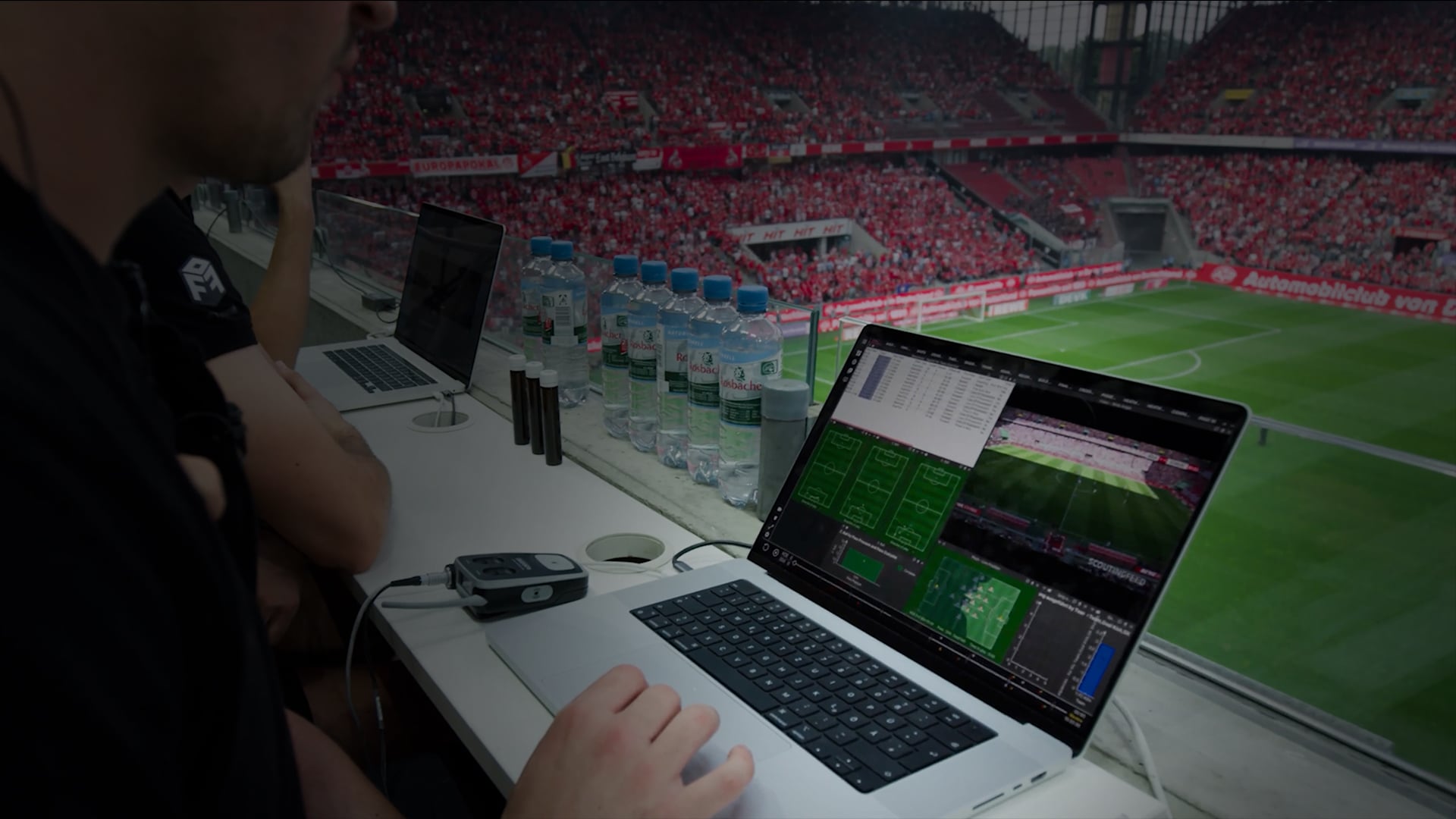
In this article, I will walk you through the ten sports analytics software development companies I think are worth a conversation in 2026.
I will explain how I ranked them, cover what each firm does best, and finish with a comparison table and a vendor-evaluation checklist you can pull straight into your next scoping call.
How I Ranked These Sports Analytics Software Development Partners?
Before I got to the shortlist, I set a few rules. I wanted firms that build custom software for sports and fitness clients, not product companies selling a licensed dashboard.
I wanted proof they can handle the technical depth of modern sports analytics, which today means computer vision for player and ball tracking, machine learning models for injury risk and workload management, and clean data pipelines that combine wearable telemetry with historical performance data.
I also cared about the delivery side. The MIT Sloan Sports Analytics Conference has published years of research on how data teams inside professional clubs actually adopt new tools, and the pattern is consistent.
Adoption dies when the software is technically brilliant, but the vendor cannot translate it into a coach’s workflow. So I looked for firms with product design chops, not just engineering muscle.
Finally, size. I skipped the giants that only close nine-figure deals with national leagues, and I skipped the two-person shops that cannot staff a full delivery pod.
The result is a list of mid-sized custom software development companies, each with a real portfolio in sport, fitness, health tech, or an adjacent data-heavy vertical. Every firm here has the depth to build a serious sports analytics product from scratch, and each one can be reasonably compared against the others.
1. LITSLINK – Custom Sports Analytics Software Development
LITSLINK earned my top spot because they treat sports analytics as an engineering domain, not a design template.
Based in Palo Alto with delivery hubs in Europe, they have shipped custom software for sports and fitness clients across coaching platforms, nutrition monitoring, gym marketplaces, and fan engagement products.
When I looked at their approach, what stood out was the combination of applied AI and grounded product design.
Their team builds custom sports analytics platforms that ingest data from GPS trackers, wearables, video feeds, and biometric sensors, then run it through machine learning models for player performance analysis, injury prevention, and predictive scouting.
If you are scoping a data-heavy build, think computer vision for match tagging, real-time telemetry from IoT devices, or coaching dashboards with tactical analysis, the custom sports and fitness software development team at LITSLINK has the practical case studies to back up the promise, from a nutrition and macronutrient tracker called Nutralete to a marketplace connecting users to nearby gyms and fitness studios.
Their published thought leadership on AI in sports, which walks through auto-clipping, computer vision for player tracking, and injury workload models used by clubs like Getafe CF, tells you the engineering side actually understands the domain.
If you want a partner comfortable with both consumer wellness and pro-team analytics, LITSLINK belongs on the shortlist.
2. ScienceSoft
ScienceSoft is a veteran custom software firm headquartered in McKinney, Texas, with roots going back to 1989. Their data analytics practice is one of the deepest on this list, and it feeds directly into how they build sports products.
I like them for clients who need heavy backend work, whether that is a real-time betting analytics engine, a fan engagement platform with a data lake behind it, or a scouting portal that pulls performance stats across leagues.
They have long-standing partnerships in IoT and machine learning, which pays off when a project needs sensor data pipelines and predictive models sitting in the same codebase. If your project sounds more like an enterprise data problem than a mobile app, ScienceSoft is a safe choice to include in your RFP.
3. Chetu
Chetu, based in Plantation, Florida, is one of the few custom development firms with a dedicated sports analytics services page rather than a generic fitness pitch. They cover a wide surface area, from athlete performance software to motion and video analysis to sensor programming for wearables.
Their engineers write big data analytics pipelines and ETL flows for the kind of large, complex data sets you get when a college athletic department or a mid-tier professional club decides to modernize.
Chetu tends to be a strong pick if your build is heavy on integrations, since they have long-standing relationships with common sports data providers, wearable OEMs, and video analysis vendors. Their scale also means they can staff a project fast, which matters when a season starts in six months.
4. Emerline
Emerline is a European custom software company with a broad sports vertical. Their portfolio includes fitness and coaching apps, sports betting, fantasy sports, live streaming platforms, and ticketing solutions. What I find useful about their offering is the range.
If your product idea sits somewhere between wellness, media, and analytics, Emerline can usually build across that whole stack without handing off to a subcontractor. They also do solid work integrating wearables for real-time monitoring and building analytics dashboards for athletes and fitness enthusiasts.
For sports betting operators in particular, their end-to-end coverage of odds updates, wallet integrations, and responsible gambling tooling is a mature offering that most generalist firms cannot match on day one.
5. Intellectsoft
Intellectsoft is a digital transformation firm with offices across the US and Europe, and they have quietly built a respectable sports and fitness portfolio over the last decade.
They lean toward enterprise clients, which means they are more likely to be a good fit when a governing body, a stadium operator, or a large fitness chain is the buyer. Their strengths are systems integration, mobile app development, and cloud infrastructure.
On the analytics side, they can pair a solid mobile front-end with a serious backend and reporting layer. If your project has a heavy compliance or integration angle, for instance sports data that must flow into an existing ERP or CRM, they are worth a look.
6. Cogniteq
Cogniteq brings more than fifteen years of IoT expertise to sports app development, and that is exactly the right heritage for a modern sports analytics build. Their work integrates wearables and sensors for real-time tracking, health monitoring, and performance enhancement.
On top of that, they offer solutions for athlete analytics, injury prevention, and personalized training programs. I would put them on the shortlist for any project where hardware and software have to talk to each other reliably, whether that is a smart garment, a wearable patch, or a stadium sensor deployment.
Their AI-powered video analysis and key moment detection offering also positions them for coaching platforms that need automatic clipping and tactical breakdowns.
7. MobiDev
MobiDev is a US-headquartered custom development firm with a strong research and development arm. Their sports and fitness work leans into AI, and they are one of the more credible mid-sized firms when it comes to computer vision for exercise form correction, AI trainers, and biometric analysis.
If your product depends on machine learning models that need to run inside a mobile app, or if you are trying to build a real-time coaching assistant that scores technique from a phone camera, MobiDev is a natural fit.
They also publish a fair amount of engineering content on the tradeoffs of edge inference versus cloud inference in sports contexts, which is a good signal that the team has actually shipped this kind of product rather than just pitched it.
8. Softeq
Softeq is based in Houston, Texas, and is one of the few firms on this list that can genuinely build across firmware, hardware, and software.
That matters a lot in sports analytics because so much of the interesting data starts on a sensor, a wearable, or a piece of gym equipment. If your product involves designing or integrating custom hardware, whether that is a smart barbell, a biomechanical sensor, or a stadium camera rig, Softeq is a strong candidate.
They pair that hardware capability with mobile apps, cloud backends, and machine learning services, so a fitness startup building the next generation of connected equipment can plausibly get everything from one vendor rather than stitching together three.
9. Andersen
Andersen is a large custom software firm with a wide industry footprint, including a media and sports practice. Their sports work is heaviest in betting analytics, fantasy platforms, and streaming, which are the categories where regulation, uptime, and data throughput matter most.
They can staff big engagements quickly, which helps when your product timeline is measured in seasons rather than sprints.
On the analytics side, they have built recommendation engines for content platforms and risk models for betting operators, and both patterns transfer well into performance analytics for teams. I would talk to Andersen if your project is large, regulated, and needs a partner comfortable with high-load environments.
10. Appinventiv
Appinventiv is a mobile-first custom development firm with a healthy fitness and sports portfolio. They are strong on consumer apps, fantasy sports platforms, and fan engagement products, and they have a track record of scaling to millions of users.
If your product is app-led, whether a workout coaching platform, a fantasy game, or a fan community with live match data,
Appinventiv can typically get a polished MVP out the door quickly. Their design practice is a real asset here, because so many sports and fitness products live or die on user experience.
For projects that are more backend-heavy or hardware-integrated, other firms on this list will fit better, but for consumer-facing sports apps they are a legitimate contender.
Quick Comparison of the Top 10 Sports Analytics Software Development Firms
Here is the shortlist in one view. I built the table around the questions procurement teams tend to ask first, which are location, focus area, and signature strength. Use it to eliminate obvious mismatches, then dig into two or three finalists.
| Company | Headquarters | Sports Focus | Signature Strength |
|---|---|---|---|
| LITSLINK | Palo Alto, USA | Coaching, fitness, wearables, fan engagement | AI and computer vision for sports |
| ScienceSoft | McKinney, USA | Enterprise analytics, betting, scouting | Data engineering and BI depth |
| Chetu | Plantation, USA | Athlete performance, motion analysis, wearables | Dedicated sports analytics practice |
| Emerline | Europe | Fitness, betting, fantasy, live streaming | Range across the sports stack |
| Intellectsoft | New York, USA | Enterprise sports, stadium, fitness chains | Systems integration and cloud |
| Cogniteq | Europe | IoT wearables, athlete analytics, video analysis | Hardware and software co-design |
| MobiDev | Wilmington, USA | AI trainers, computer vision, mobile products | Machine learning R and D |
| Softeq | Houston, USA | Connected fitness equipment, sensors, wearables | End-to-end hardware plus software |
| Andersen | Europe | Betting analytics, fantasy, streaming | High-load, regulated environments |
| Appinventiv | Noida, India / USA | Consumer sports apps, fantasy, fan engagement | Mobile-first design and scale |
What to Ask a Sports Analytics Software Development Vendor Before You Sign?
The firms above will all say yes to almost any brief. That is the nature of custom development sales. The job of a good buyer is to force specificity, and the fastest way to do that is with a short list of pointed questions.
Deloitte’s sports industry insights have been making this same point for years, and I think it is worth repeating. Before you sign a statement of work, get real answers to the following:
- Show me a case study where you built a sports analytics product end to end, not just a mobile front-end for someone else’s data.
- Which parts of the stack are your engineers actually strong at: computer vision, wearable telemetry, video tagging, predictive modeling, or product design, and which do you subcontract?
- How do you handle athlete data privacy, especially for youth sports or European users, and can you walk me through your default posture on consent, storage, and retention?
- What does a typical delivery pod look like on your side, and how many senior engineers will I actually get versus how many mid-level developers?
- Give me two references from the last twelve months, ideally one that scaled and one that did not, and let me talk to both.
If a vendor cannot answer those without hedging, keep looking. If they can, you have already narrowed your shortlist by a lot.
Final Thoughts on Choosing the Right Partner
Sports analytics is a category where the ceiling on quality is very high, and the floor on failure is embarrassingly low. The right partner will help you ship a product that a coach or an athlete will actually use, and the wrong one will hand you a beautifully designed dashboard that no one opens after week two.
Every firm on this list has enough evidence in the public record to earn a first call, and LITSLINK is where I would start, because their engineering depth in AI, wearables, and computer vision maps cleanly onto what modern sports analytics products need to do.
Take the checklist above, pick three names, and get a scoping call on the calendar this month. The market is moving faster than the RFP process, and the teams that ship first will set the pace for the rest of the decade.
