

Sweepstakes casinos crossed 140 active brands in early 2026 according to industry tracking by GammaStack. The format itself is the same as it’s been for years: gold coins for fun, sweeps coins for real prizes, no purchase necessary.
What changed is the layer of software running underneath the lobby. The recommended-for-you slot row, the bonus that lands at exactly the moment you’re about to log off, the email subject line that somehow knows you like high-volatility games. That’s not luck. That’s a machine learning model trained on your last 47 sessions.
It’s been a wild thing to watch happen.
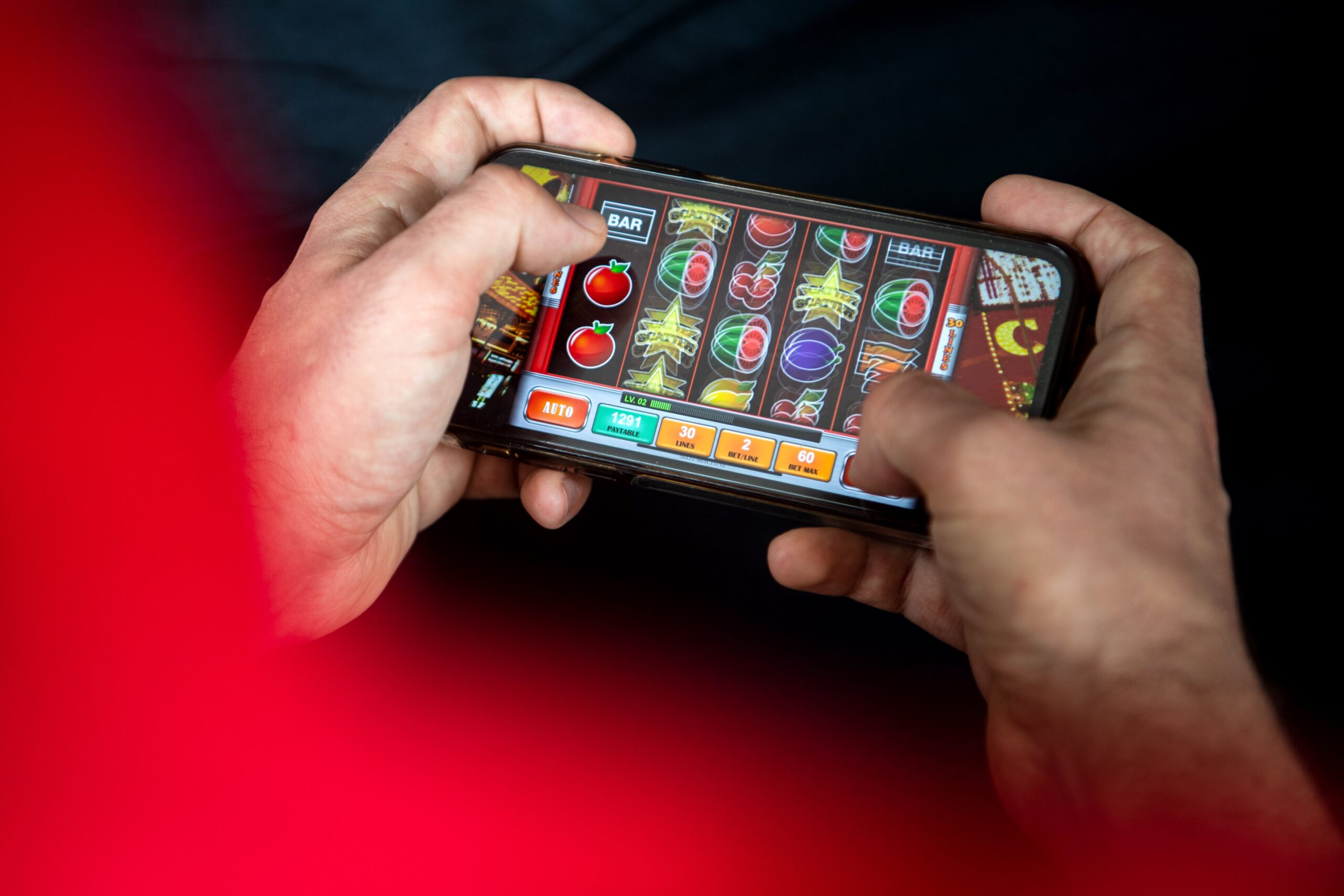
The Sweepstakes Model Has Been Pulled Into the AI Race
Real-money casinos have one obvious lever to keep players engaged: actual money. Sweepstakes platforms don’t have that.
Players are spending virtual currency that, depending on the model, may or may not lead to cashable prizes, which means engagement has to come from somewhere else entirely. That somewhere else turned out to be personalization.
Comprehensive coverage of how sweepstakes in the US operate, what makes them legal, and how they differ from regulated real-money operators sits over at Inside Pulse, which is the clearest plain-English explainer I’ve come across this year.
The piece breaks down dual-currency mechanics, the no-purchase-necessary legal framework, and why these platforms keep growing even as state legislatures push back.
Once operators realised that engagement was the whole game, the budget shifted. AI-driven personalization went from a 2027 roadmap item to a launch-day requirement basically overnight.
What the Models Do in the Background?
The current generation of sweepstakes casino AI does four things at scale, and each one is more invasive than the last.
First, behavioural segmentation. The platform watches what you click, what you skip, how long you stay, and which games you return to.
Within a few sessions, you’ve been quietly assigned to a player archetype that determines what shows up on your homepage.
Second, dynamic bonus targeting. The free coins or sweeps coins drop tied to your session pattern, not a fixed schedule. If the system has decided you’re a slow churner, you get bigger reactivation rewards. If you’re a daily logger, you get smaller, more frequent ones that cost the operator less.
Third, real-time game recommendation. The lobby reshuffles between sessions and sometimes within a single session. The slot that was at position 4 yesterday might be at position 12 today because the engine watched you scroll past it.
Fourth, fraud detection. This is a genuinely useful application. Bot networks, multi-account abuse, and coordinated sweeps coin farming get flagged by anomaly detection models that no human team could replicate at scale.
The Numbers Are Impressive
Recent industry research found 73% of gaming leaders reported better player retention after deploying AI-driven personalization, and 52% reported higher user satisfaction. Personalized promotional content drives up to 8x the engagement of generic blast campaigns.
Streaming services, e-commerce, social feeds, and now sweepstakes casinos are all running on variations of the same recommendation infrastructure.
The difference with sweepstakes is that the regulatory pressure makes the tech do more work. AI doesn’t change odds.
It can’t, and good operators are explicit about that. What it changes is which games you see, when you see them, and how the platform talks to you between sessions.
Where It Gets Weird?
The line between helpful personalization and engineered habit formation is thin and getting thinner. The same systems that recommend a slot you’ll enjoy can also detect when you’re about to disengage and trigger a retention intervention precisely at that moment.
That second behavior is what regulators have started watching. Industry analysis on AI personalization in gaming notes that the same techniques producing higher engagement metrics also produce the kinds of pattern recognition that consumer protection bodies tend to find uncomfortable when applied to gambling-adjacent products.
Sweepstakes platforms exist in a regulatory grey zone where they’re not technically gambling but they look and feel similar enough that the personalization concerns translate.
Three Things Worth Knowing as a Player
Three practical things worth knowing if you use these platforms regularly.
Your lobby is not your friend’s lobby, even on the same site. The recommendation engine has built different versions of the same product for both of you based on a few weeks of behaviour.
Bonus timing is rarely random. If a sweeps coin drop arrives at a moment that feels suspiciously well-timed, it probably was. The system noticed your session pattern and acted.
Game odds genuinely are not affected by AI personalization at compliant platforms. The reels are still random. What’s not random is which reels you see and how often.
The Direction This Is Heading
Voice-based AI assistants, predictive analytics on player lifetime value, and AR-style game experiences are all on the 2026 roadmap for the bigger sweepstakes operators.
Some of that will be good for players. Some of it will be the same engagement-maximization playbook in a new skin.
The platforms that survive the next regulatory cycle will be the ones that use the technology to genuinely improve the player experience rather than just extract more sessions per user.
Whether that’s the majority or the minority depends mostly on how aggressive state legislatures get over the next 18 months.
For now, when you log into your favorite sweepstakes site, just remember: the lobby looking exactly the way you wanted it to look is not an accident. It’s a feature.
