

Creating music at home used to require a surprisingly long list of equipment. Recording often meant dedicated hardware, stacks of physical media, large mixers, specialized effects, and enough cables to make a small room feel like a studio whether you wanted one or not.
Today, a laptop and a few carefully chosen devices can replace equipment that once filled an entire desk. The result is that the modern home musician often needs fewer things, but the things that remain need to make playing easier rather than add more complexity.
Not Every Useful Upgrade Needs to Be Digital
The shift toward software has made it easy to assume that the next improvement to a music setup should always involve technology.
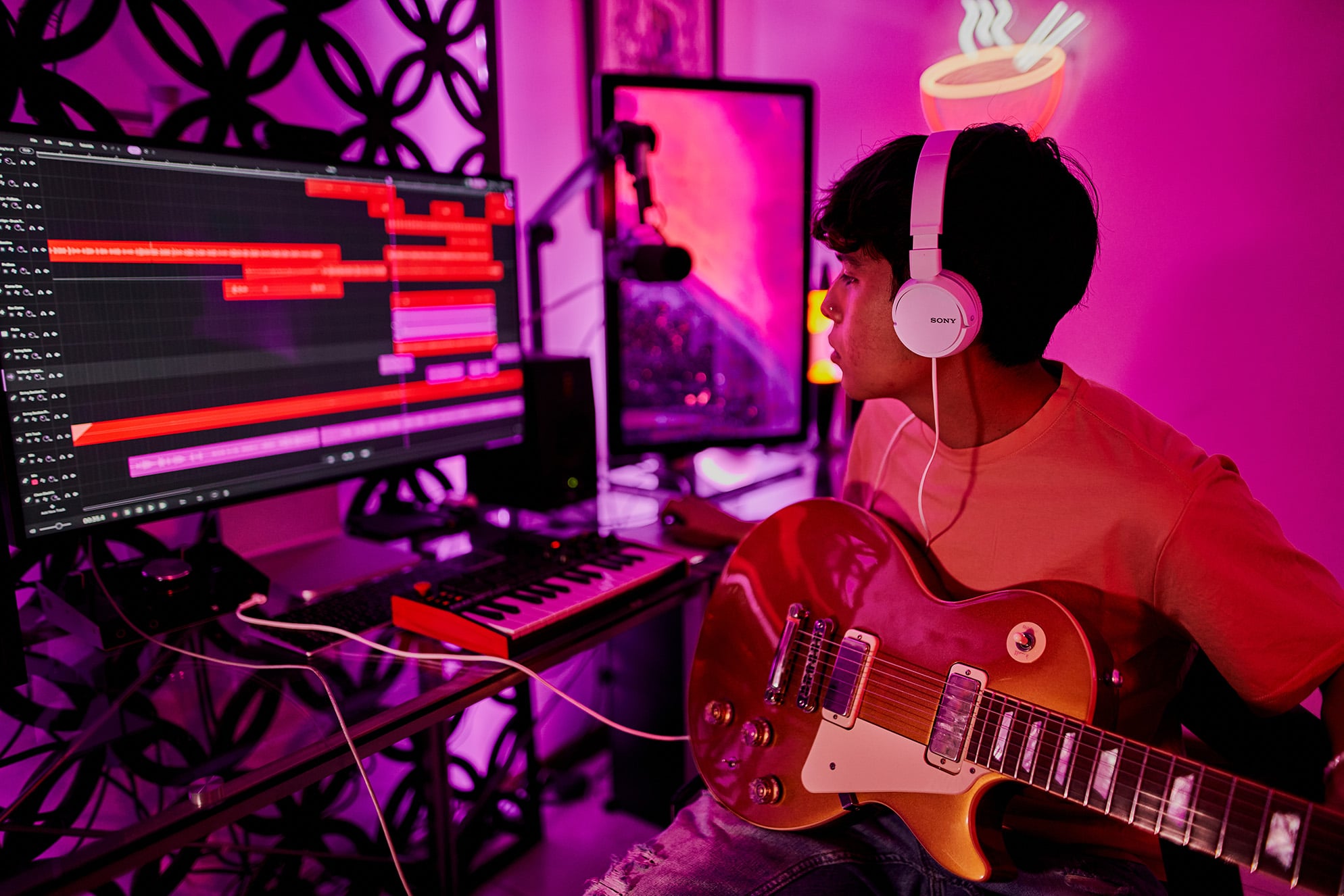
A guitarist might compare plug-ins, interfaces, amp simulators, recording apps, and microphones while overlooking simple physical items that affect how often the instrument actually gets played.
Comfortable guitar straps, reliable stands, accessible picks, and neatly managed cables can make a setup easier to use without adding another screen or menu. Sometimes reducing friction has more impact than adding another feature.
This is especially true for musicians who move frequently between sitting, standing, recording, and practicing. If the guitar is uncomfortable to hold or stored somewhere inconvenient, even a technically impressive setup may go unused.
Small physical details affect whether playing feels spontaneous or like another task that requires preparation. A well-designed home music space should invite someone to pick up the instrument quickly.
A Laptop Can Replace an Entire Rack of Equipment
Perhaps the biggest change in home music has been the concentration of tools inside the computer. Digital audio workstations can record, edit, arrange, mix, and process music in one place. Software instruments can recreate sounds that once required keyboards, drum machines, or dedicated hardware modules.
AI can generate background music. Plug-ins can provide effects that musicians previously accessed through separate rack units or pedals.
This makes home recording much more accessible, but it also creates new decisions. Musicians have to choose software, learn interfaces, organize files, manage updates, and make sure their computers can handle the workload.
A digital setup may require less physical space while demanding more attention to workflow. The clutter has moved from the floor and desk to the screen.
Audio Interfaces Have Become the New Center of the Home Studio
For many home musicians, the audio interface now serves as the bridge between traditional instruments and digital production. It connects microphones, guitars, keyboards, headphones, studio monitors, and recording software in a relatively compact device.
This has simplified setups that once required multiple pieces of hardware. A musician can often record high-quality tracks from a desk that still has enough room for ordinary work.
Choosing an interface should be based on actual needs rather than the maximum number of features available. A solo guitarist who records one instrument and one vocal at a time may not need eight microphone inputs.
Someone recording a full drum kit or several musicians simultaneously may need substantially more. Matching the equipment to the real workflow usually saves money and reduces complexity.
Smartphones Have Become Legitimate Creative Tools
The phone is another major reason the home musician’s equipment list has changed. Musicians use smartphones to record demos, capture video, run metronomes, tune instruments, manage lyrics, communicate with collaborators, and post performances online.
An idea that once had to survive until someone reached a studio can now be recorded within seconds. That alone has changed the creative process.
Phones have also blurred the distinction between musician and content creator. Someone practicing in a bedroom may also be filming a short performance, creating a lesson, livestreaming, or documenting the writing process.
A simple tripod, good lighting, and decent audio may therefore matter almost as much as traditional recording gear. The music space has become a small media studio.
Modeling Has Reduced the Need for Volume
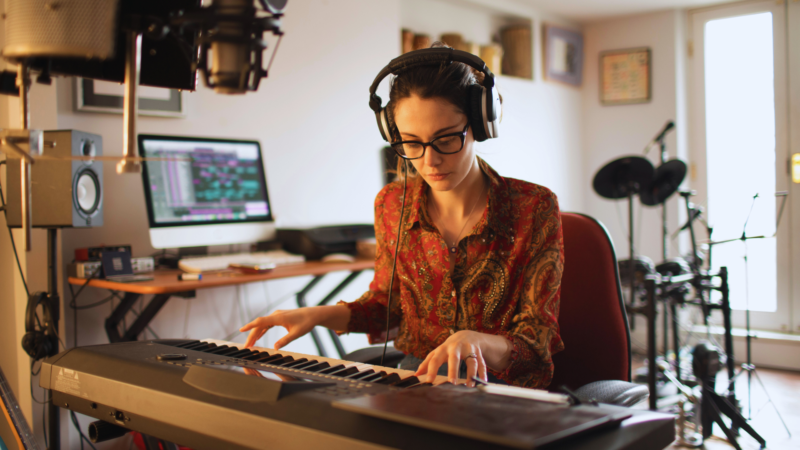
Amplifier and effects modeling have transformed what is possible in apartments, bedrooms, and shared homes. Guitarists can access convincing amp tones through headphones or studio monitors without turning a large amplifier up to performance volume.
Effects that once required several physical pedals can be arranged and changed digitally. This has made late-night recording and quiet practice far more practical.
The benefits extend beyond noise control. Modeling also allows musicians to compare sounds without buying or storing multiple amplifiers and cabinets.
Someone can experiment with different tones while learning what they actually like. For beginners and hobbyists, that can prevent expensive purchases made before musical preferences are fully developed.
Physical amplifiers and pedals still have an important place, especially for live performance and musicians who enjoy the tactile experience of hardware. Technology has not made them obsolete. It has simply created alternatives that can be better suited to small spaces.
