

Businesses rarely remain exactly the same throughout their lifespan. A company may need additional storage, a larger production area, more office space, or a completely different interior layout as its operations evolve. The physical building needs to accommodate these changes without creating unnecessary limitations.
Steel construction has become a practical option for companies looking for facilities that can respond to changing operational requirements.
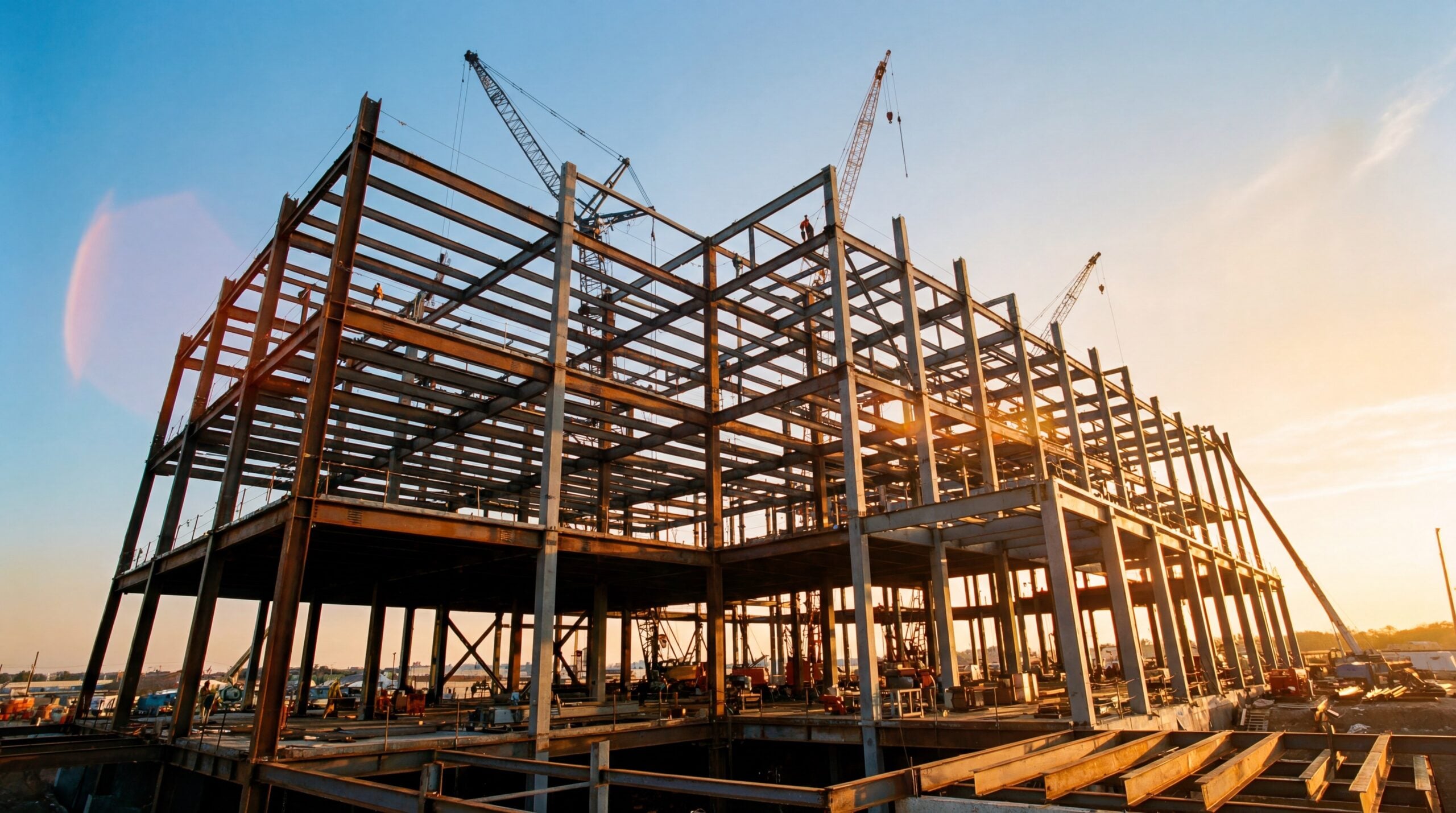
A well planned commercial steel building can provide the flexibility businesses need to adjust their space as they expand, introduce new services, or reorganize workflows.
Steel buildings can be built to meet both current and future needs. They can be used for anything from warehouses and factories to stores and distribution hubs.
Creating Adaptable Interior Spaces
One of the best things about steel construction is that it lets you make large, open rooms inside. Structural steel framing can reduce the need for numerous interior load bearing walls or columns, depending on the building design.
Open spaces give businesses greater freedom when organizing equipment, inventory, workstations, or customer areas.
A warehouse may need wide aisles for material handling equipment, while a manufacturing company may require uninterrupted floor space for machinery and production lines.
If operational requirements change later, interior partitions and work areas can often be reorganized without completely redesigning the primary structure. This flexibility can help companies make better use of the same property over time.
Supporting Future Business Expansion
Growth can create significant challenges when an existing facility reaches capacity. Relocating an entire operation can involve expenses, logistical complications, and business disruption.
Steel buildings can be made so that they can be expanded in the future. Depending on the original structure and site conditions, additional bays or sections may be incorporated as the company requires more space. Planning for expansion during the initial design stage can make future modifications more manageable.
For example, a distribution business may initially require space for inventory and shipping activities. As order volume increases, it might need additional storage, loading areas, or administrative offices. A flexible building design can help accommodate these evolving requirements.
Accommodating Different Business Functions
Modern commercial properties frequently serve more than one purpose. A single facility might contain offices, storage areas, production zones, showrooms, and employee spaces.
Steel construction can support these mixed use requirements by allowing the interior to be divided according to specific business functions. Companies can establish separate areas for different departments while maintaining an efficient overall layout.
This versatility makes steel buildings suitable for many industries, including manufacturing, automotive services, agriculture, logistics, retail, and commercial storage.
Improving Workflow Efficiency
The layout of a commercial facility can directly influence daily productivity. Poorly arranged spaces may require employees or equipment to travel unnecessary distances between different areas of the operation.
A commercial steel building can be planned around the natural movement of people, products, vehicles, and materials. Loading areas can be positioned near storage zones, while production sections can be organized according to the sequence of work.
Businesses can also consider ceiling heights, door dimensions, equipment placement, and vehicle access during the planning process. Designing these elements around operational needs can create a more functional working environment.
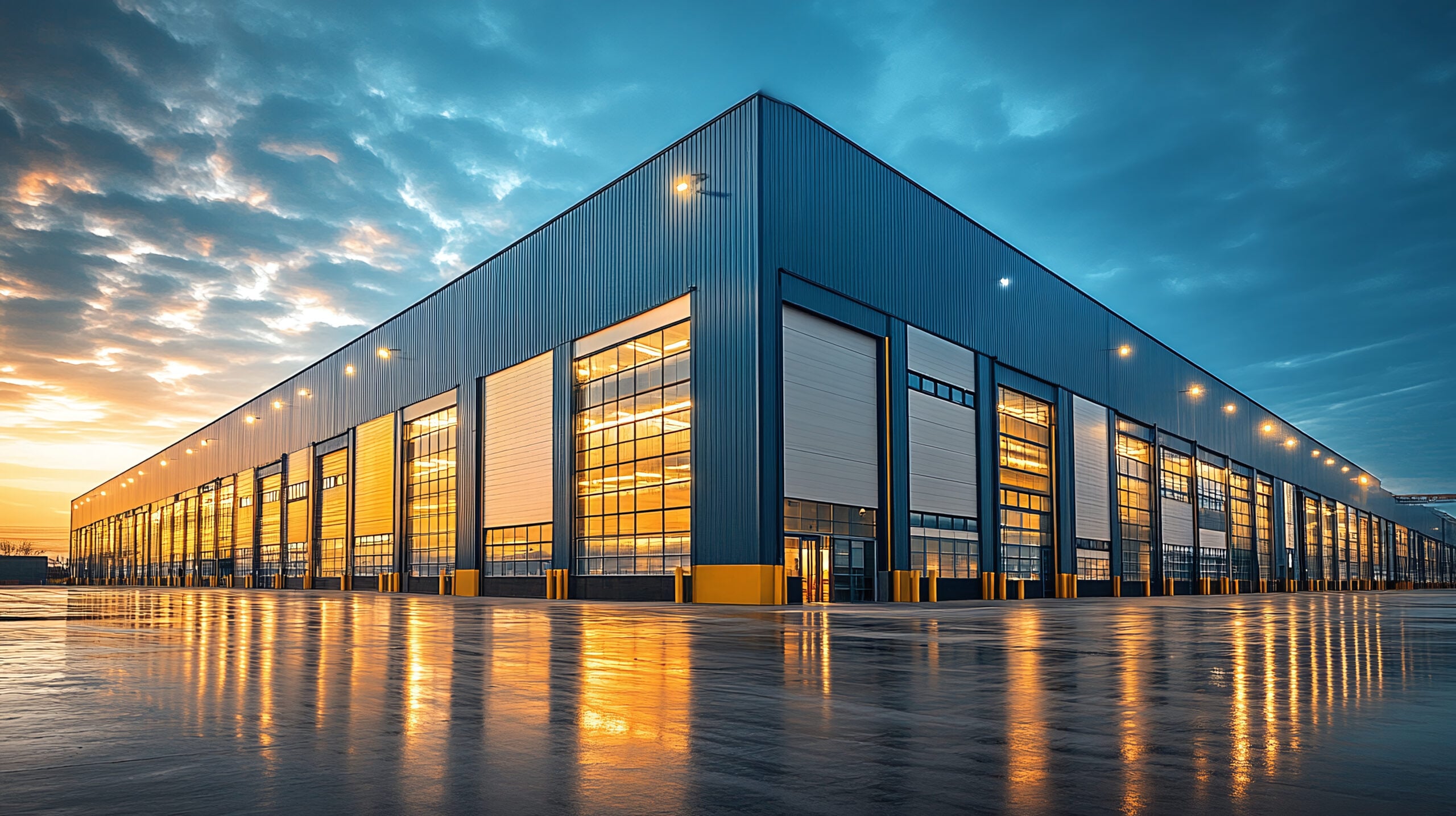
Adapting to Technology and Equipment Changes
Technology continues to reshape commercial and industrial operations. Companies may introduce automated systems, larger machinery, updated storage equipment, or new communication infrastructure.
Flexible commercial spaces make these transitions easier to manage. Steel buildings can provide the open floor areas and vertical clearance needed for many types of equipment.
Businesses can also plan electrical systems, ventilation, lighting, and other infrastructure according to current and anticipated requirements.
As technology changes, having a building that offers room for adjustment can reduce the need for major structural modifications.
Supporting Long Term Property Use
Flexibility also contributes to the long term usefulness of a commercial property. A building originally designed for one business function may eventually need to serve another purpose.
Adaptable layouts can make it easier to reconfigure spaces for new departments, tenants, equipment, or business models. Instead of viewing the building only in terms of present requirements, companies can consider how the property might function several years into the future.
Conclusion
Commercial facilities need to support both current operations and future possibilities. Steel construction provides businesses with opportunities to create open layouts, accommodate multiple functions, plan for expansion, and respond to changing equipment or workflow requirements.
By carefully considering layout, access, expansion potential, and infrastructure during the design stage, businesses can create facilities that remain practical as their needs evolve.
A thoughtfully designed commercial steel building can therefore become more than simply a place to operate. It can provide a flexible foundation that supports business growth and operational change for years to come.
