

Managing personal finances used to involve keeping paper receipts, balancing checkbooks and reviewing bank statements at the end of each month. Today, much of that work can be handled through a smartphone.
Digital banking platforms, budgeting applications and automated savings tools give people faster access to their financial information and greater control over everyday decisions.
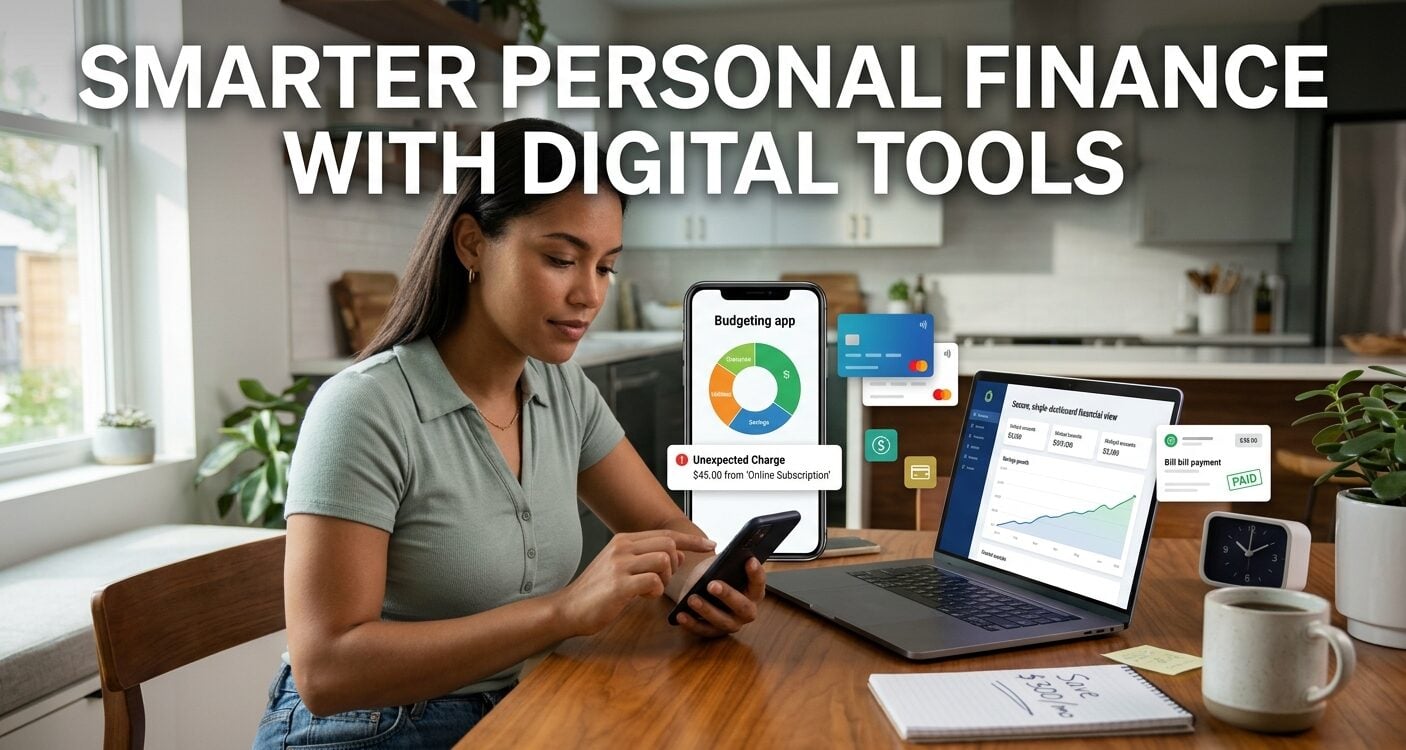
These tools don’t automatically make someone better with money. Their value comes from making financial habits easier to maintain.
Whether someone wants to reduce unnecessary spending, build an emergency fund or prepare for a major purchase, the right technology can simplify the process.
Understanding how different digital tools work is the first step toward using them effectively.
Why Digital Tools Are Changing Personal Money Management?
One of the biggest advantages of digital financial tools is the ability to see what’s happening with your money without waiting for a monthly statement.
Traditional financial management often required gathering information from several sources before making a decision. Modern applications can bring those details together in one place.
For example, someone managing a checking account, savings account and credit card can use compatible financial applications to monitor balances and recent transactions. Instead of logging into multiple websites, they can review their financial position through a single dashboard.
Real-time transaction notifications also make a difference. When a purchase appears immediately on a phone, it’s easier to identify unexpected charges or recognize when spending is getting out of hand.
Convenience matters, particularly for people balancing work, family responsibilities and other commitments. However, the greatest benefit isn’t simply saving time. It’s having enough information to make financial decisions before small problems become expensive ones.
Using Budgeting Apps to Understand Everyday Spending
A useful budget starts with knowing where money actually goes. Many people underestimate their spending on food delivery, subscriptions and occasional purchases because individual transactions seem relatively insignificant.
Digital budgeting applications help reveal these patterns by categorizing expenses and comparing them against spending limits.
Some tools automatically connect with financial accounts, while others allow users to enter transactions manually. Both approaches can work, depending on how much control and automation someone prefers.
Consider a household that allocates $500 each month for groceries. A budgeting application can track purchases throughout the month and show how much remains available.
If spending reaches $400 halfway through the month, the household has an opportunity to adjust its shopping habits before exceeding the budget.
Applications can also help identify recurring expenses that are easy to overlook. Streaming services, unused memberships and subscription renewals may represent meaningful savings opportunities when reviewed together.
The goal isn’t to monitor every dollar obsessively. It’s to establish enough awareness that everyday purchases support larger financial priorities.
How Digital Banking Makes Saving More Convenient?
Saving money becomes easier when the process requires fewer decisions. Digital banking platforms support this approach through automatic transfers, mobile account access and tools that help customers organize savings goals.
For instance, someone planning a vacation can arrange for a fixed amount to move from checking to savings after each payday. The transfer happens without requiring another reminder or manual transaction.
Choosing where to keep those savings is equally important. Someone comparing options from a top online bank may consider factors such as annual percentage yield, account fees, deposit insurance eligibility and how quickly money can be accessed. These details often matter more than the appearance of a banking application.
Some banking platforms also allow customers to organize money into separate savings categories. A person might create individual goals for emergency expenses, home repairs and future travel without opening several different accounts.
Automation should still be reviewed periodically. A transfer amount that worked six months ago might no longer fit someone’s income or household expenses.
Savings tools work best when they support a realistic financial plan rather than placing unnecessary pressure on a monthly budget.
Smarter Spending Through Digital Payment Tools
Digital payment technology has made everyday transactions faster, but convenience can influence spending behavior in different ways.
Mobile wallets, contactless payments and online payment platforms reduce the need to carry cash or physical cards. They can also provide transaction histories that make purchases easier to track.
For someone who travels frequently, a mobile wallet can simplify payments at restaurants, stores and transportation services.
Many digital wallets also use tokenization, which substitutes payment credentials with unique digital identifiers during supported transactions.
However, spending becomes less noticeable when purchases require only a quick tap. Without the physical exchange of cash, people may find it easier to make impulse purchases.
One practical solution is to enable purchase notifications and review transaction histories regularly. Some banking applications also allow customers to set spending alerts for specific account activity.
Before using a new payment service, it’s worth reviewing its fees, security features and dispute procedures. Different payment methods may provide different levels of protection, especially when money is transferred directly to another person.
Digital payments are most useful when their convenience is balanced with financial awareness.
Using Automation to Build Consistent Financial Habits
Automation helps reduce the number of routine financial tasks someone needs to remember. This is particularly helpful when managing several recurring payments or savings commitments.
Automatic bill payments can reduce missed deadlines and potential late fees. Scheduled transfers can support savings goals, while payment reminders provide advance notice of upcoming obligations.
Still, automation isn’t something to configure once and forget.
A household with irregular income, for example, might prefer payment reminders over automatic withdrawals. This allows someone to verify that sufficient funds are available before a payment is processed.
Similarly, automatic transfers should account for upcoming bills and expected expenses. Moving too much money into savings could create an avoidable overdraft if the checking account balance becomes too low.
A simple monthly review can help maintain control. During that review, users can check recurring payments, update transfer amounts and verify that automated transactions remain appropriate.
The best systems combine automation with occasional human oversight.
Protecting Personal Financial Information Online

As financial management becomes increasingly digital, protecting account information deserves the same attention as budgeting and saving.
Strong passwords are an important starting point. Using a unique password for each financial account limits the damage that can occur if login information from another service is compromised.
Multifactor authentication adds another security measure by requiring additional verification before someone can access an account.
Consumers should also be careful when connecting financial accounts to third-party applications. Before granting permission, review what information the service can access, how that data is stored and whether access can be revoked.
Public Wi-Fi networks can present additional risks, particularly when users access sensitive accounts through unfamiliar connections. Keeping devices updated and avoiding suspicious links can help reduce exposure to scams.
Regular account monitoring remains essential. Even when financial platforms offer security alerts, reviewing transactions personally can help identify unfamiliar activity.
Technology can improve financial security, but responsible account management remains a necessary part of the process.
Conclusion: Making Technology Work for Your Financial Goals
Digital financial tools have changed how people organize their money, offering convenient ways to monitor spending, automate savings and manage everyday transactions.
Their effectiveness, however, depends on the habits behind them. A budgeting application cannot prevent overspending without deliberate choices, and automated savings won’t replace the need for realistic financial planning.
The most practical approach is to choose technology that addresses genuine financial needs and supports routines that can be maintained over time.
When digital tools make good decisions easier to repeat, personal money management becomes less complicated and more sustainable.
