

Cryptocurrency investing used to require more than an interest in digital assets. Early investors often had to navigate complicated exchanges, manage unfamiliar software, and understand technical processes just to buy or store digital coins. For someone without a background in technology or finance, getting started could feel overwhelming.

Today, the experience is considerably different. Mobile applications, online trading platforms, and digital financial tools have made cryptocurrency markets easier to access. People can research digital assets, monitor prices, and manage investments using devices they already own.
This shift has changed who can participate in cryptocurrency markets and how they approach investing. While digital tools haven’t eliminated the financial risks involved, they’ve reduced many of the practical barriers that once made crypto investing difficult.
How cryptocurrency investing became more accessible?
In Bitcoin’s early years, buying cryptocurrency wasn’t particularly straightforward. Investors often needed specialized knowledge to find exchanges, transfer funds, and safely store their digital assets.
Some platforms offered limited payment options, while others required users to understand complex wallet addresses and transaction procedures.
As cryptocurrency attracted broader interest, financial technology companies began developing services for people without extensive technical experience. Trading platforms introduced simplified registration processes, clearer account dashboards, and familiar payment methods.
Instead of learning how blockchain infrastructure works before making a purchase, users can now access many cryptocurrency services through interfaces similar to those used for online banking or traditional investment accounts.
Accessibility has also improved through educational resources. Beginners can find explanations of blockchain technology, digital wallets, transaction fees, and cryptocurrency market behavior without needing to consult technical documentation.
The result is a more approachable investing environment, although understanding the fundamentals remains important before committing money.
Mobile apps have transformed the investing experience
Smartphones have played a significant role in making cryptocurrency investing more convenient. What previously required a desktop computer and several separate services can often be managed through one mobile application.
Modern crypto apps commonly provide account management, trading functions, portfolio summaries, and market information in one place. Investors can check their holdings during a lunch break, review price changes while traveling, or receive notifications when an asset reaches a particular price.
Many platforms also provide charts showing historical performance, helping users examine how prices have moved over time. Some include recurring purchase features that allow investors to schedule transactions rather than manually placing every order.
These conveniences are particularly useful for people who want to follow the market without constantly sitting in front of a computer. However, mobile access can also make impulsive trading easier, especially during periods of extreme price movement.
The availability of information and trading functions doesn’t remove the need for thoughtful decisions. Convenience works best when paired with a clear investment plan.
Digital wallets are simplifying asset management
Buying cryptocurrency is only one part of the process. Investors also need to understand how their digital assets are stored and accessed.
Cryptocurrency wallets have become more approachable as developers have improved their interfaces and security features. Many wallet applications now provide straightforward instructions for receiving, sending, and managing supported digital assets.
There are two main approaches to cryptocurrency storage. Custodial services hold the assets or manage private keys on behalf of users, while self-custody wallets give individuals direct responsibility for their private keys.
Each approach involves trade-offs.
Custodial platforms can simplify account access and reduce technical responsibilities, but users depend on the provider’s security and operational reliability. Self-custody offers greater direct control, although losing a recovery phrase or exposing private keys can result in permanent financial losses.
Features such as biometric authentication, security alerts, and hardware wallet compatibility can make asset management more manageable. Still, no security feature can fully protect someone who shares sensitive account information or approves a fraudulent transaction.
Understanding storage options is therefore just as important as learning how to purchase cryptocurrency.
Investment platforms are making research easier
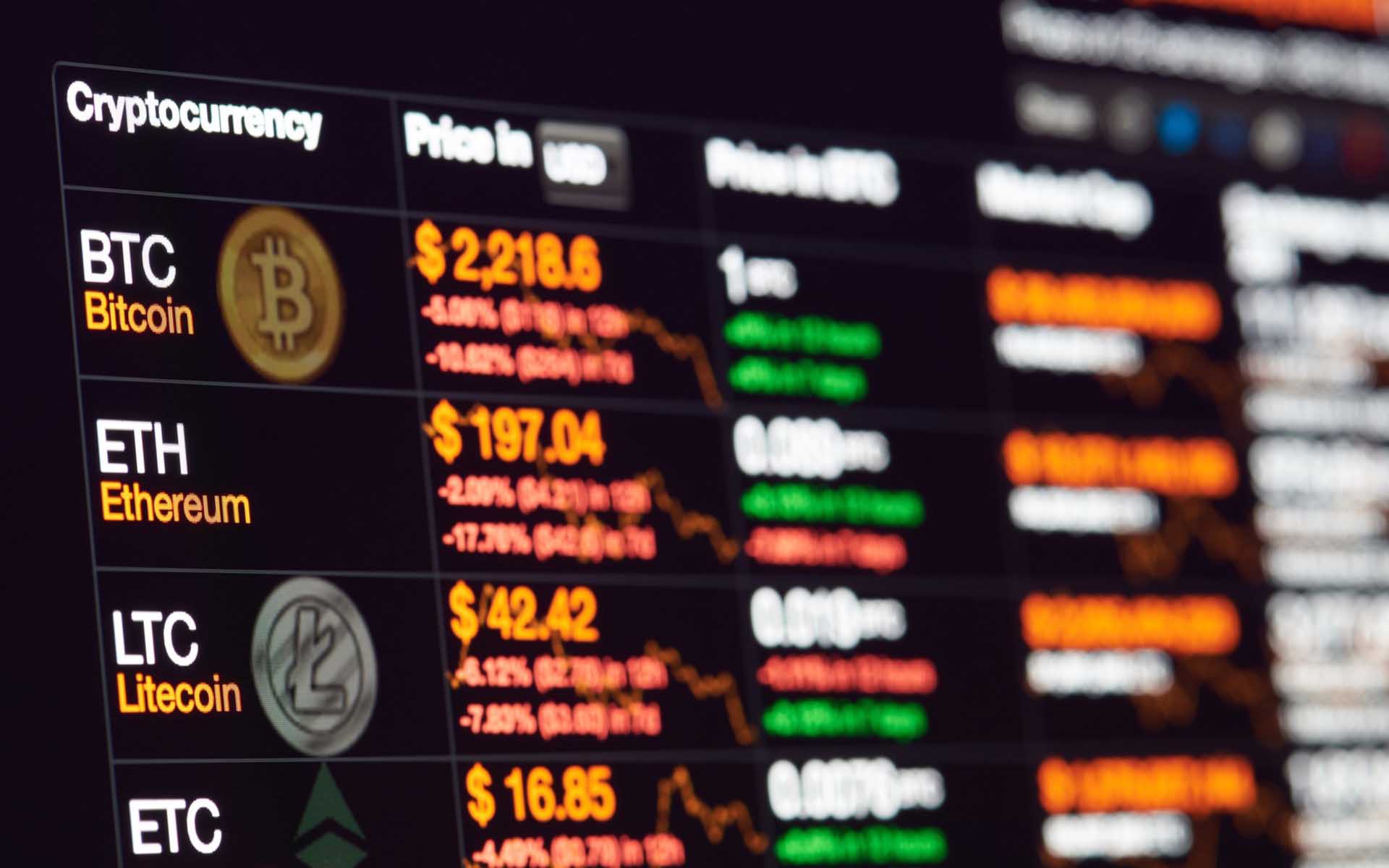
One of the biggest improvements in digital investing is the availability of information. Investors once had to visit several websites to compare cryptocurrency prices, review market developments, and examine individual projects. Today, many platforms bring these resources together.
For someone considering a crypto investment, these tools can provide useful context before making a financial commitment.
Price charts, transaction histories, market capitalization figures, and educational articles help investors examine digital assets from different perspectives.
Some platforms also offer comparison features that make it easier to evaluate different cryptocurrencies. Investors can review historical price movements, understand trading volumes, and identify how individual assets behave during periods of market uncertainty.
However, easy access to data doesn’t guarantee that every investment decision will be informed. Cryptocurrency markets are influenced by speculation, regulatory developments, technological changes, and broader economic conditions.
The U.S. Securities and Exchange Commission, through its website, provides educational resources explaining cryptocurrency-related investment risks, including fraud, volatility, and the potential for significant financial losses.
Reliable research remains essential, particularly when online discussions or social media trends create excitement around specific digital assets.
Automation is changing how people manage crypto portfolios
Automated investing features have introduced another level of convenience to cryptocurrency markets. Rather than manually completing every transaction, investors can use digital tools to carry out certain activities according to predefined instructions.
Recurring purchase tools, for example, allow users to invest a predetermined amount at regular intervals. This approach, commonly associated with dollar-cost averaging, reduces the need to choose an exact purchase moment, although it doesn’t prevent losses.
Price alerts offer another practical advantage. Investors can establish notifications for market movements instead of continuously monitoring trading screens.
Some platforms also provide portfolio tracking tools that organize holdings and display changes in value across different assets.
More advanced services may include automated trading strategies, though these can introduce additional risks involving software errors, market volatility, and unexpected execution costs.
Automation can make routine portfolio management more efficient, but it shouldn’t be confused with guaranteed investment performance. Users still need to understand how automated features work and when they might produce unwanted results.
Security remains essential in a more connected investing world
As cryptocurrency investing becomes more accessible, protecting financial information and digital assets remains a major concern.
Online platforms have introduced various security measures, including two-factor authentication, account activity monitoring, withdrawal restrictions, and identity verification procedures. These features can reduce certain risks associated with unauthorized access.
Nevertheless, cybercriminals continue to use phishing websites, fraudulent investment opportunities, and impersonation schemes to target cryptocurrency users.
Investors should verify website addresses, use unique passwords, and avoid sharing wallet recovery phrases or account credentials. It’s also important to review transaction details carefully because many blockchain transfers cannot be reversed once confirmed.
Choosing a platform requires similar attention. Trading fees, withdrawal policies, supported assets, security practices, and regulatory compliance can differ considerably between providers.
A convenient interface is useful, but it shouldn’t be the primary factor when deciding where to manage financial assets.
What the future holds for digital cryptocurrency investing?
The technologies supporting cryptocurrency investing continue to evolve. Developers are working on improved wallet experiences, clearer financial reporting tools, and services that combine different digital asset functions.
Artificial intelligence may also influence how investors research cryptocurrencies by helping organize market information, summarize project documentation, and identify patterns in large datasets. However, AI-generated analysis can contain errors and shouldn’t replace independent verification.
Greater integration with mainstream financial applications could further simplify access to cryptocurrency markets. At the same time, regulatory requirements, consumer protection standards, and security expectations will influence how these services develop.
The challenge for technology providers will be balancing convenience with transparency. Making transactions easier is valuable, but users also need understandable information about fees, ownership, market risks, and available protections.
Conclusion
Cryptocurrency investing has become far more accessible because digital tools have simplified many of the processes involved.
Mobile applications, online exchanges, digital wallets, and automated features allow people to research and manage digital assets with greater convenience than in the past.
Yet accessibility and investment safety are different matters. A straightforward purchasing process doesn’t change cryptocurrency’s volatility or eliminate the possibility of losing money.
As digital financial technology continues to develop, the greatest benefit for investors will come from combining convenient tools with financial knowledge, careful research, and responsible decision-making.
