

The construction industry has evolved significantly over the past few decades. While traditional building methods using concrete, brick, and timber remain common, modern steel structures have transformed the way residential, commercial, industrial, and agricultural projects are planned and completed.
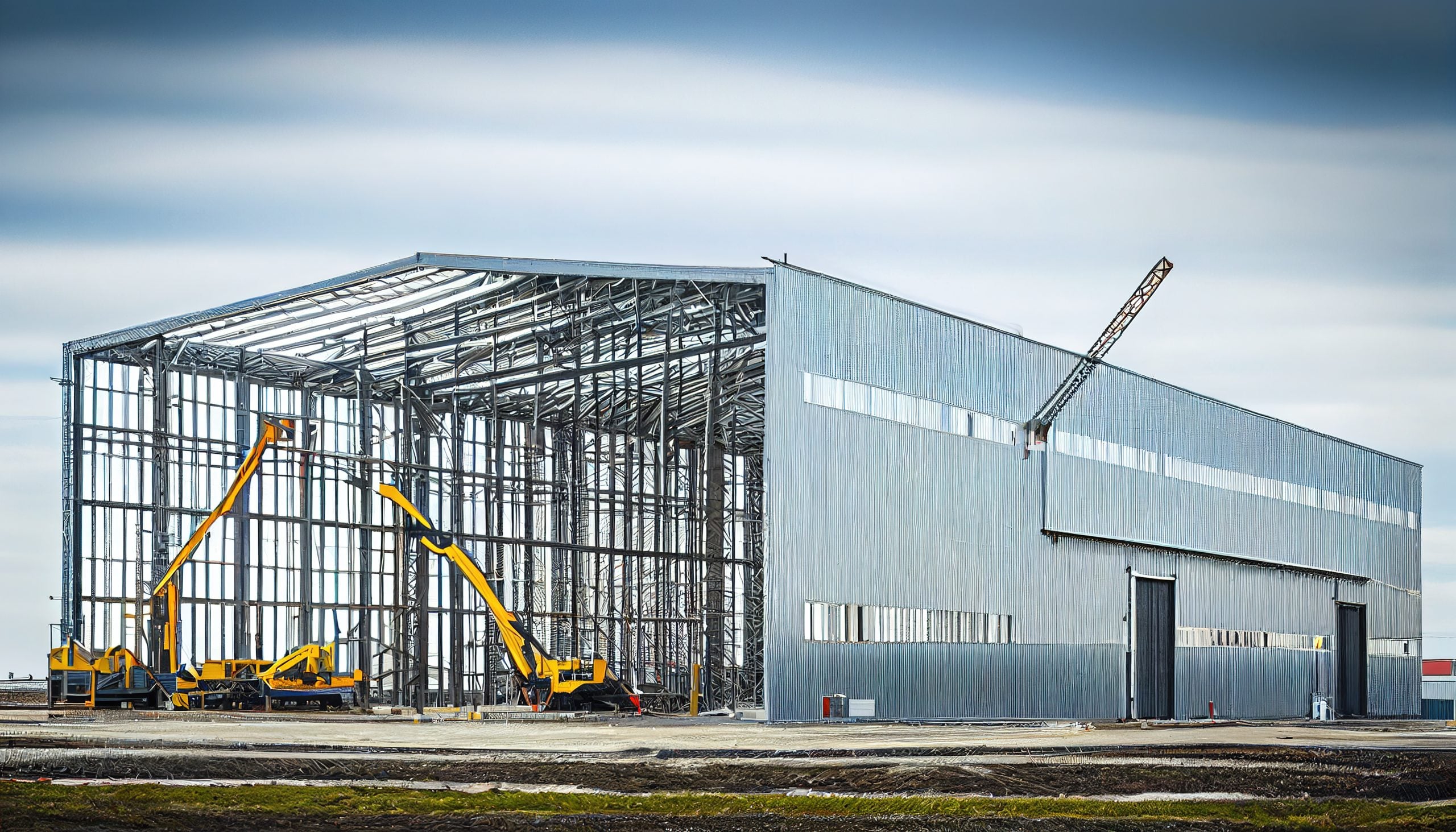
Today, many property owners are comparing conventional techniques with metal building packages to determine which option delivers better value, durability, and efficiency.
Understanding the differences between these approaches helps builders make informed decisions that suit both current needs and future growth.
Construction Speed Makes a Major Difference
One of the biggest advantages of modern steel construction is the speed of installation. Traditional construction often requires multiple trades to work in sequence, including foundation crews, framers, masons, roofers, and finishers. Weather delays and material shortages can further extend project timelines.
By contrast, metal building packages arrive with precision-manufactured components designed to fit together efficiently.
Since much of the fabrication occurs before delivery, on-site assembly becomes faster and more organized. Reduced construction time means businesses can begin operations sooner while homeowners experience less disruption.
Material Consistency Improves Quality
Traditional building materials naturally vary in quality. Wood may warp, shrink, or develop imperfections over time. Masonry depends heavily on installation techniques and environmental conditions during construction.
Steel components are manufactured under controlled conditions, providing consistent dimensions and predictable performance.
This precision minimizes fitting issues and reduces material waste during installation. Builders can also estimate project costs more accurately because fewer unexpected adjustments are required.
Long-Term Durability
Durability remains one of the strongest reasons many developers choose steel structures. Traditional buildings can experience issues such as termite damage, wood rot, moisture penetration, or structural movement after years of exposure to changing weather conditions.
Steel offers excellent resistance to many of these common concerns. Properly coated structural steel withstands moisture, pests, and everyday wear more effectively than many conventional materials. As a result, owners often spend less on long-term maintenance while enjoying reliable structural performance.
Flexible Design Possibilities
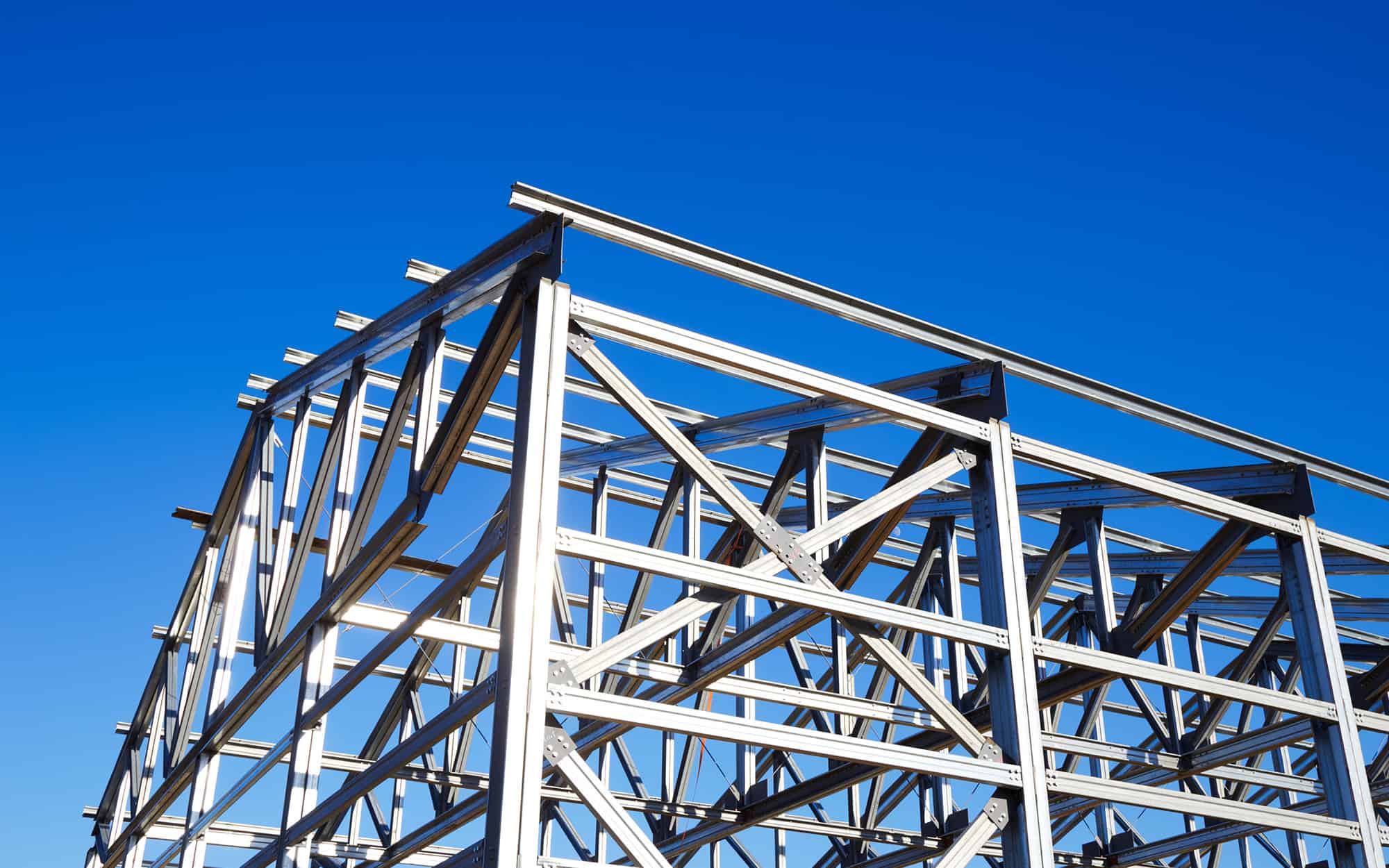
Modern construction is no longer limited to simple rectangular buildings. Advances in engineering allow steel structures to support wide open interior spaces without numerous load-bearing walls or columns.
This flexibility benefits warehouses, manufacturing facilities, retail stores, sports centers, aircraft hangars, and agricultural buildings where uninterrupted floor space is essential.
Future expansions are also easier because many steel structures are designed with growth in mind, allowing additional sections to be added when needed.
Cost Predictability Throughout the Project
Budget control is an important factor for every construction project. Traditional methods can encounter fluctuating labor costs, material waste, and unexpected delays that increase overall expenses.
With metal building packages, many of the primary structural components are priced before construction begins.
Since the materials are engineered specifically for the project, estimating becomes more accurate. Faster installation also lowers labor expenses, creating greater financial predictability throughout the construction process.
Environmental Advantages
Sustainability has become an important consideration across the construction industry. Traditional building methods often generate significant construction waste and require large quantities of natural resources.
Steel is one of the world’s most recycled building materials. Many structural steel products already contain recycled content and can be recycled again at the end of a building’s lifespan.
Precision manufacturing also reduces excess material, making steel construction a practical option for environmentally conscious projects.
Choosing the Right Solution
Traditional construction continues to serve many residential and architectural applications where customized finishes and historic aesthetics are priorities.
However, modern steel systems have become an outstanding choice for projects requiring strength, efficiency, and long-term value.
Businesses, farms, storage facilities, workshops, recreational buildings, and commercial developments increasingly recognize the practical advantages of engineered steel structures.
Careful planning, professional engineering, and quality installation ensure that the finished building performs reliably for decades.
Conclusion
Both traditional construction and steel construction have their place in today’s building industry. Conventional methods provide design flexibility and familiar craftsmanship, while modern steel systems deliver faster construction, greater durability, predictable costs, and reduced maintenance.
As technology continues to improve manufacturing processes, metal building packages are becoming an increasingly attractive solution for projects that prioritize efficiency, structural integrity, and long-term performance.
By evaluating project goals, budget, and future expansion needs, property owners can confidently choose the construction method that offers the greatest overall value.
