

Free-to-play gaming has changed how people interact with digital entertainment. Instead of buying every game upfront, players now often enter a platform for free, learn the mechanics, collect rewards, try different modes, and decide how deeply they want to engage over time.
This model appears across mobile games, live-service games, casual games, multiplayer titles, and social casino-style platforms. The structure is familiar to many gamers: log in, claim a reward, play a short session, check progress, and return when a new event or bonus is available.
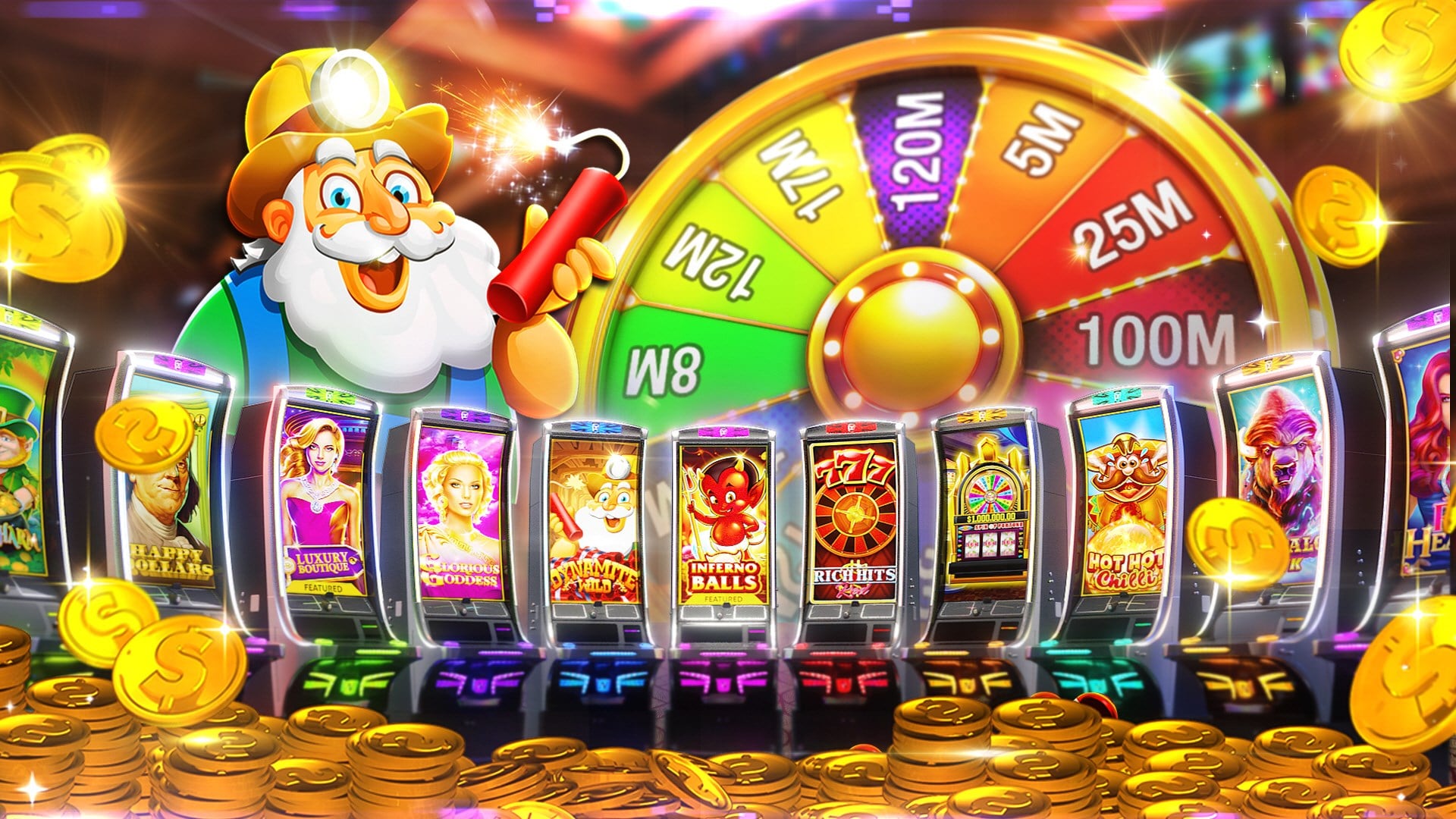
That is the broader context for free slots. Slot-style social casino games may look different from shooters, RPGs, strategy games, or open-world titles, but they often use the same digital design language: virtual currency, rewards, events, mobile access, short sessions, and simple onboarding.
For gamers, the most interesting question is not only what the games look like. It is how they fit into the modern free-to-play ecosystem and why the format remains so accessible for casual players.
Why Free-to-Play Became So Common?
Free-to-play games lowered the barrier to entry.
A player does not need to spend money upfront just to see whether a game is enjoyable. They can install an app, create an account, try the first session, and decide whether the experience is worth returning to.
That accessibility changed player expectations. Gamers now expect easy onboarding, instant feedback, regular updates, and enough free interaction to understand the platform before making decisions.
Free slots follow this same logic. They are designed to be approachable, quick to understand, and easy to revisit. A player can start with virtual currency, explore different game themes, and learn the rhythm of the platform without needing a complicated tutorial.
The strongest free-to-play experiences do not rely only on the word “free.” They rely on clarity. Players should understand how the platform works, what rewards mean, how virtual currency is used, and what options are available inside the experience.
Simple Mechanics Make the Format Approachable
One reason slot-style games work well in casual gaming is simplicity.
Players do not need to memorize complex controls, study long skill trees, or learn competitive team roles. The basic action is easy to understand, and the feedback is immediate.
This makes the format useful for short sessions. A user can open a platform, play for a few minutes, collect a reward, and return later.
That does not mean the experience has no depth. Variety can come from themes, bonus rounds, reward systems, events, leaderboards, and platform progression. But the first step remains simple, which is important for casual players.
In free-to-play design, the first session matters. If a player feels confused too quickly, they may leave before seeing what the platform offers. Slot-style games solve part of that challenge by using familiar visuals and straightforward interactions.
Mobile Gaming Changed the Standard
Modern gaming is increasingly shaped by mobile devices.
Phones have made gaming more flexible. Players can engage during breaks, while commuting, while relaxing at home, or between longer gaming sessions. Mobile games need to be fast, clear, and easy to control on smaller screens.
DigitalEdge has also covered this wider shift in its article on how mobile-first gaming platforms are redefining user experience, especially the way mobile performance, touch-friendly design, and fast access now shape player expectations.
That same mobile-first expectation applies to free slot-style games. A good platform should load quickly, display balances clearly, make buttons easy to tap, and keep game menus organized.
If the mobile experience feels slow or cluttered, users may leave before they understand the platform. Mobile usability is no longer a small feature. It is part of the core product experience.
Virtual Currency Creates Structure
Virtual currency is one of the core mechanics behind many free-to-play systems.
In mobile games, players may collect gems, gold, credits, tickets, energy, or tokens. In social casino platforms, users may collect coins, credits, or other virtual balances.
These systems help create structure. They give players a resource to track, rewards to collect, and choices to make.
For free slots, virtual currency often helps organize gameplay. Users may receive coins through daily rewards, promotions, missions, or events. Those coins can then be used inside the platform according to its rules.
The key point is clarity. A platform should explain how virtual currency is earned, how it is used, whether it expires, and whether optional purchases are available.
A confusing currency system can make even a visually polished game feel difficult to trust. A clear currency system helps players understand the experience faster.
Rewards Keep Players Returning
Rewards are a major part of free-to-play design.
Players often return because there is something to claim, unlock, complete, or check. This could be a daily login bonus, a mission reward, a seasonal event prize, or a leaderboard incentive.
Free slot-style games use similar reward loops. A player may collect daily coins, join a timed event, complete a challenge, or check a new promotion.
These rewards make short sessions feel more active. Even if a player only spends a few minutes on the platform, the session can still feel like progress.
However, rewards should always be explained clearly. If a bonus looks attractive but the terms are confusing, the user experience suffers.
The best reward systems make the next step obvious. Players should know what they received, how it can be used, and whether any conditions apply.
Events Make Casual Games Feel Fresh
Many free-to-play games depend on events to keep players engaged.
Live-service games use seasonal updates, limited-time modes, special challenges, rotating shops, and event passes. Casual games use daily missions, streaks, themed events, and timed rewards.
Free slots can use a similar model through tournaments, leaderboard races, seasonal campaigns, daily missions, and limited-time challenges.
Events give players a reason to return without requiring the platform to completely change its core gameplay. They add timing, variety, and goals.
A strong event system should be easy to understand. Players should know how to join, when the event ends, and what rewards may be available.
When events are too complicated, they can create friction. When they are clear, they can make the platform feel active and current.
Game Themes Add Personality
Slot-style games often rely heavily on themes.
A platform may include games inspired by adventure, fantasy, classic casino visuals, animals, travel, sports, mythology, or seasonal events. These themes make similar mechanics feel different from one game to another.
This is not unusual in gaming. Many genres rely on theme to separate one title from another. A platformer, shooter, or puzzle game can feel completely different depending on art direction, sound design, pacing, and reward structure.
For free slots, theme variety gives players more ways to find a game that matches their mood.
A user may want something bright and fast one day, then something calmer or more classic another day. A strong platform helps players discover those options without making the game library feel overwhelming.
Good UX Matters More Than Game Count
A large game library can be impressive, but it is not enough.
Users need to find games easily. They need categories, search tools, featured sections, recently played lists, and clear event labels. Without good organization, a large library can feel overwhelming.
Good UX is especially important in free-to-play environments because players are quick to leave if the first experience feels confusing.
A strong platform should make the basics obvious. Where are the games? Where is the balance? Where are rewards? Where are account settings? Where is support?
When those answers are easy to find, the platform feels more trustworthy.
Good UX also supports responsible engagement. Players should be able to manage account settings, notification preferences, support requests, and privacy options without searching through confusing menus.
Social Features Can Add Energy
Social features are common across modern gaming.
Players enjoy leaderboards, tournaments, rankings, clans, clubs, gifting systems, and shared goals. These features create a sense that other players are active.
Free slot-style platforms may include leaderboards, events, tournaments, or community-style progress. These features can make the experience feel more dynamic, even for players who mostly play casually.
The best social features are optional. They should add energy without making the platform feel pressured or overly competitive.
A leaderboard can make progress visible. A tournament can create timing. A shared milestone can make the platform feel more alive. But users should still feel in control of how they participate.
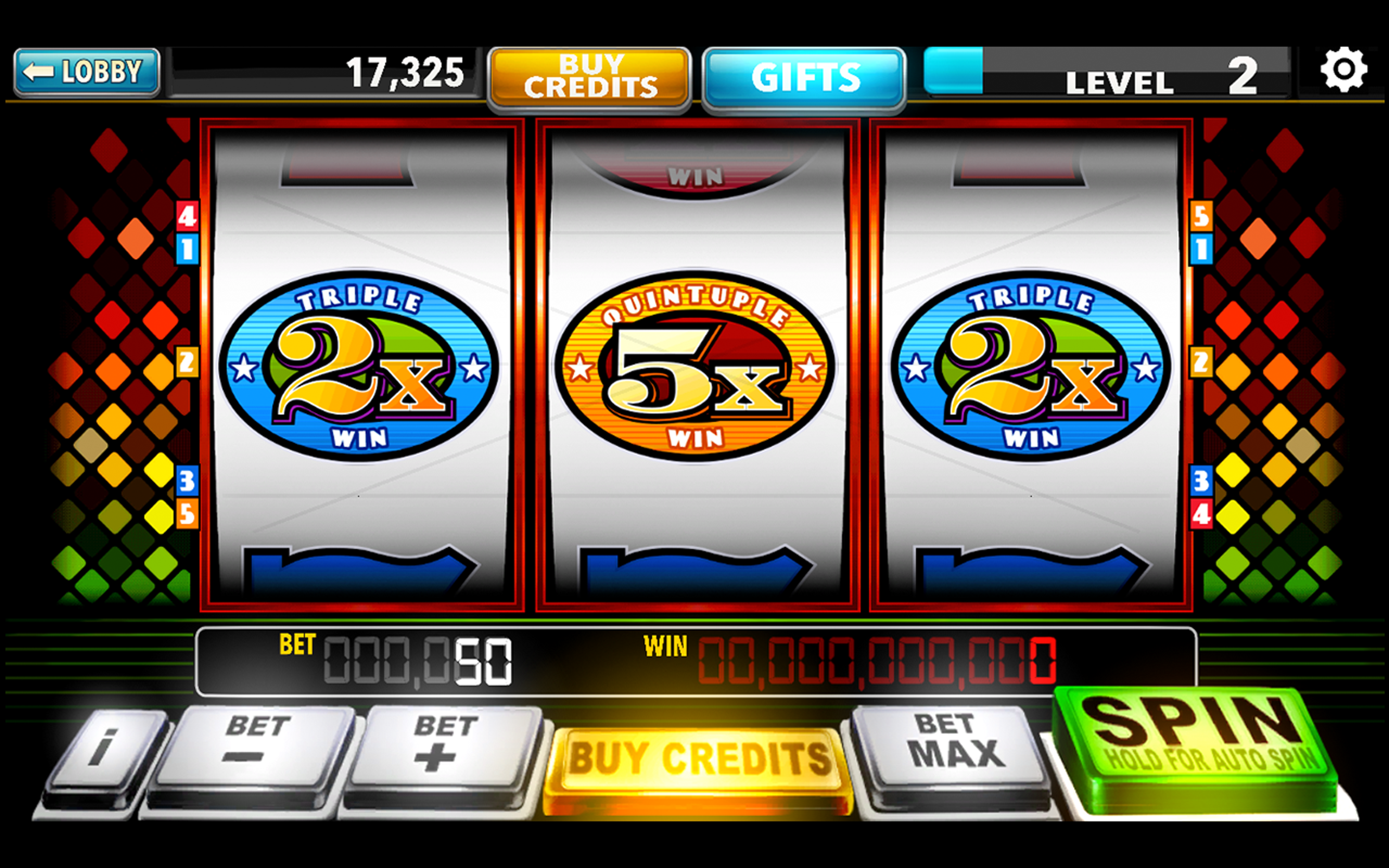
What Players Should Check Before Starting?
Players should evaluate free slot-style platforms the same way they would evaluate any free-to-play game.
They should check how virtual currency works, whether rewards are clearly explained, how events function, whether mobile performance is smooth, and whether support is easy to find.
They should also review account controls, privacy settings, notification options, and any platform terms connected to bonuses or promotions.
A trustworthy platform should not make users guess how its systems work.
This is especially important for beginners. A user may understand the visual format quickly, but the platform rules still matter.
Warning Signs in Free-to-Play Design
Free-to-play design works best when it is transparent. Problems appear when platforms hide important information or push users toward engagement without enough explanation.
Warning signs include unclear coin rules, vague bonuses, confusing event terms, hard-to-find support, poor mobile performance, and account settings that are difficult to manage.
Players should also be cautious when promotional language feels louder than the actual explanation.
A good platform should be clear before it is persuasive.
This principle applies across free-to-play gaming, not only slot-style platforms. The more a product depends on rewards, events, and return visits, the more important transparency becomes.
Why Free Slots Fit the Free-to-Play Model?
Free slots fit into free-to-play gaming because they use familiar design patterns.
They are easy to start. They use virtual currency. They often include daily rewards. They can support events and leaderboards. They work well in short sessions. They can be played on mobile devices.
That combination makes the format accessible to casual users and understandable to gamers who already know how free-to-play platforms work.
The difference is theme and presentation. Instead of combat, puzzles, or character progression, the experience uses casino-style visuals and slot-style mechanics.
The Gaming Takeaway
Free slots fit into the wider free-to-play gaming experience because they use familiar digital mechanics: virtual currency, rewards, mobile access, short sessions, themes, events, and social features.
For players, the best platforms are not only the ones with polished visuals. They are the ones that explain their systems clearly, work smoothly on mobile, and make rewards and account controls easy to understand.
Free-to-play gaming succeeds when users feel comfortable exploring at their own pace. Slot-style social casino platforms follow the same rule.
The experience should be simple to enter, easy to manage, and clear enough for players to enjoy without confusion.
