

Strong distributor relationships are at the heart of long-term business growth. Whether you are managing regional partners, handling complex product catalogs, or supporting multiple sales teams, communication and organization play a major role in keeping operations running smoothly.
This is where customer relationship management (CRM) platforms become a valuable tool for distribution businesses looking to improve efficiency and drive more sales.
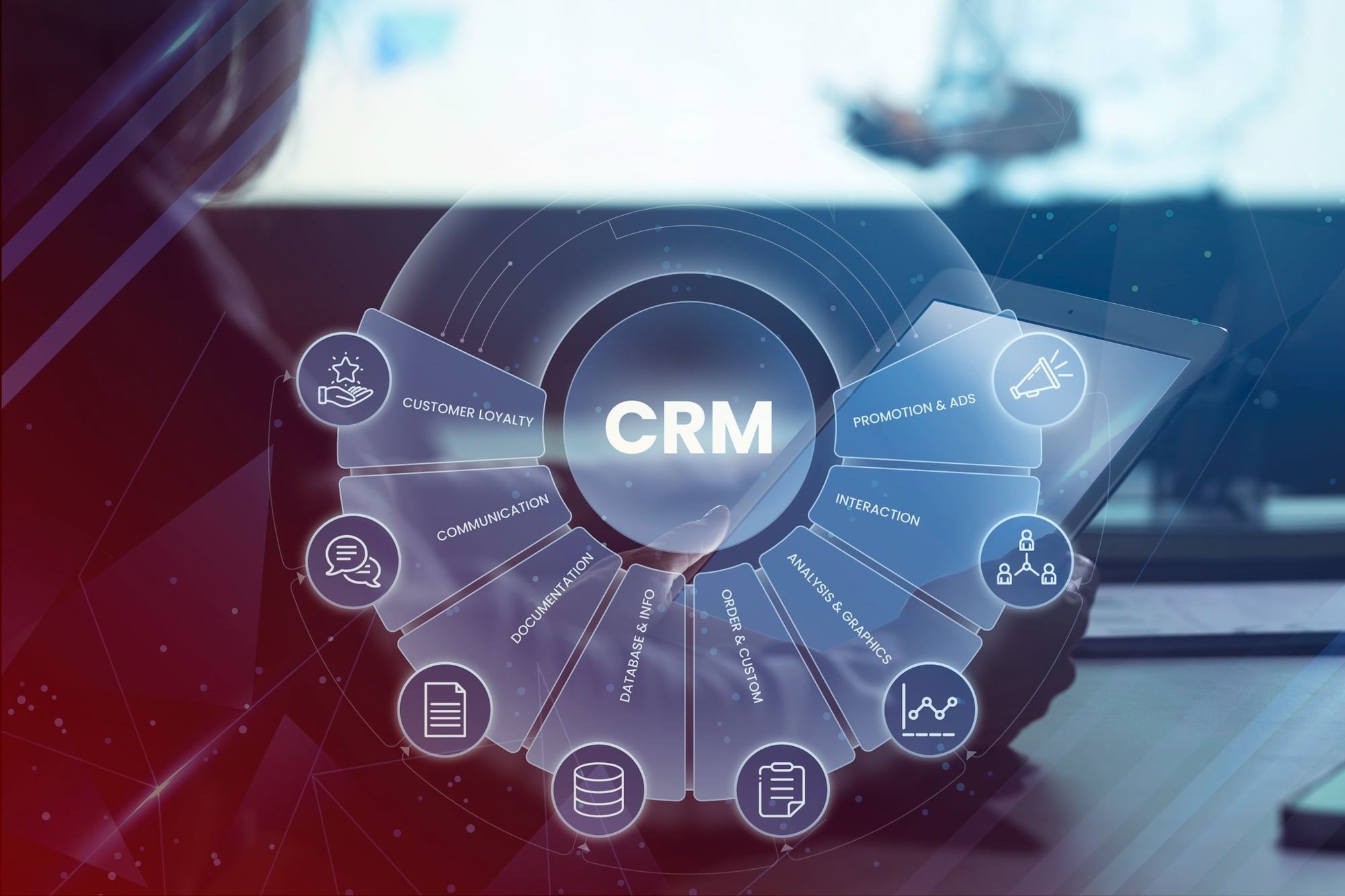
Modern distributors face increasing pressure to deliver faster responses, personalized support, and accurate information across every stage of the customer journey.
Without the right systems in place, it can become difficult to maintain strong relationships while also scaling operations.
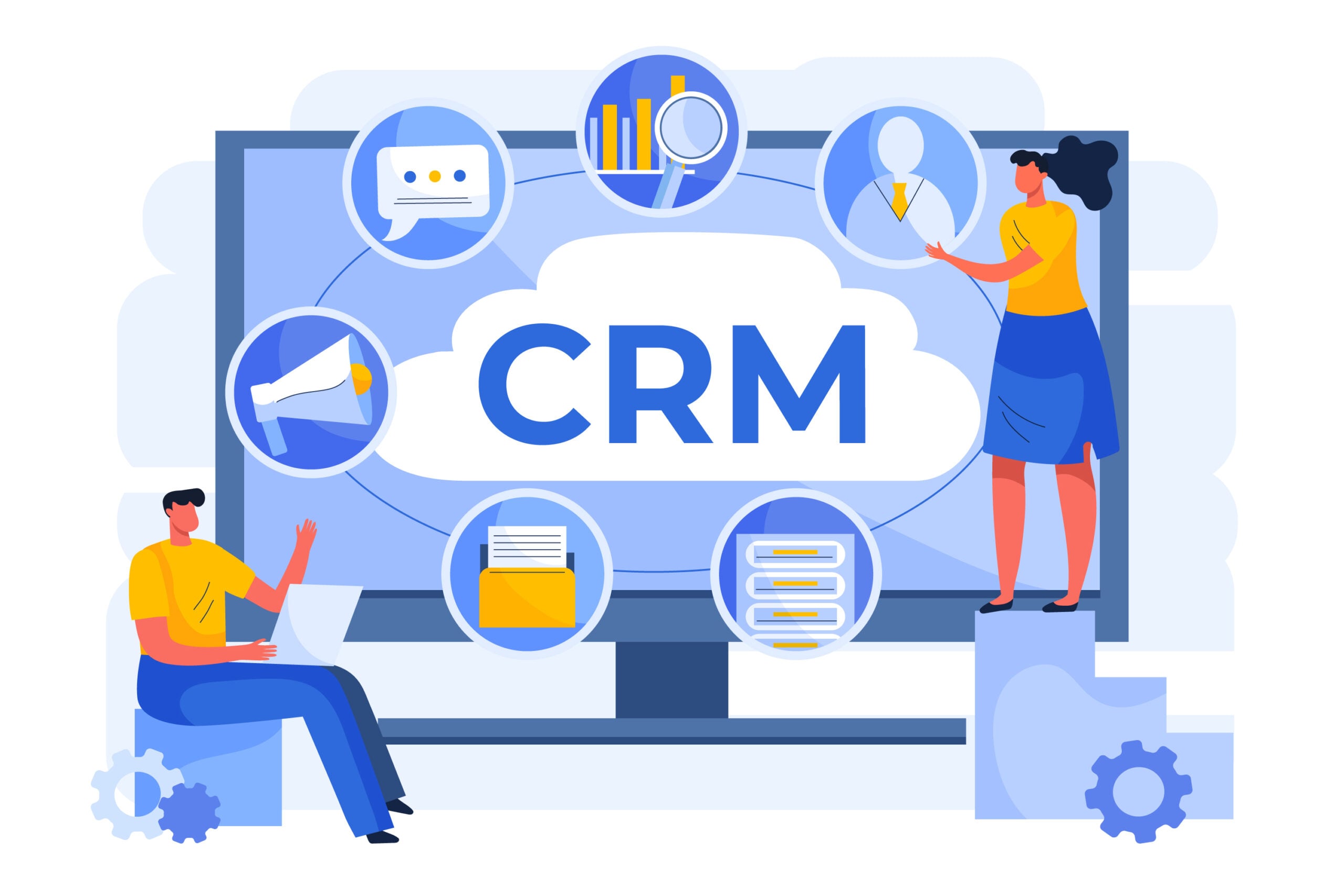
CRM platforms help bridge this gap by giving teams a centralized way to manage customer interactions, sales pipelines, and business data.
Better Visibility Across Customer Relationships
One of the biggest advantages of a CRM platform is improved visibility. Distribution businesses often manage large networks of customers, suppliers, and sales representatives, which can create communication silos if information is stored across spreadsheets, inboxes, and disconnected systems.
A CRM platform brings all customer information into one place. Sales teams can quickly access account histories, previous conversations, purchasing habits, and open opportunities without wasting time searching through different platforms. This allows teams to respond faster and provide a more personalized experience.
When distributors understand their customers better, they can build stronger relationships based on trust and consistency. Customers are far more likely to stay loyal to businesses that understand their needs and communicate effectively.
Improved Communication Between Teams
Sales, customer service, and account management teams all play a role in maintaining distributor relationships. Without clear communication, important updates can easily be missed, leading to delays or inconsistent service.
CRM platforms improve collaboration by ensuring every team member has access to the same real-time information.
Notes, tasks, customer updates, and sales progress can all be tracked within a single system. This reduces confusion and helps teams stay aligned when managing accounts.
For growing distributors, this level of organization becomes even more important. As customer bases expand, businesses need systems that support scalability without sacrificing service quality.
More Efficient Sales Processes
Distribution sales cycles can be complex, especially when managing repeat orders, product availability, pricing agreements, and multiple decision-makers. CRM platforms help simplify these processes by automating repetitive tasks and organizing opportunities more effectively.
Sales representatives can monitor leads, track follow-ups, schedule reminders, and manage quotes from one dashboard. Automation also helps reduce manual admin work, giving teams more time to focus on relationship building and revenue generation.
Using a dedicated crm for distribution companies can also improve forecasting accuracy. Businesses gain clearer insight into upcoming opportunities, sales trends, and customer demand, making it easier to plan inventory and allocate resources efficiently.
Stronger Customer Retention
Winning new customers is important, but retaining existing accounts is often far more cost-effective. CRM platforms support customer retention by helping distributors deliver a more consistent and proactive service experience.
With access to detailed customer data, businesses can identify opportunities to upsell, cross-sell, or reconnect with inactive accounts before relationships weaken.
Automated reminders and reporting tools also help account managers stay engaged with customers regularly rather than only reaching out when problems arise.
This proactive approach strengthens long-term partnerships and creates more opportunities for repeat business.
Data-Driven Decision Making
Modern distribution businesses generate huge amounts of data every day. Without the right tools, much of this information goes unused. CRM platforms turn raw data into actionable insights that support smarter business decisions.
Managers can analyze sales performance, identify high-value customers, track team productivity, and monitor trends across different markets.
These insights help businesses refine their strategies and focus on the activities that generate the strongest results.
Having access to accurate reporting also makes it easier to spot gaps in the sales process and improve operational efficiency over time.
Supporting Long-Term Growth
As distribution businesses grow, managing customer relationships manually becomes increasingly difficult. CRM platforms provide the structure and automation needed to support expansion while maintaining high service standards.
By improving visibility, streamlining communication, and supporting stronger customer engagement, CRM systems help distributors build more reliable relationships and create sustainable sales growth.
In a competitive market, businesses that invest in smarter relationship management are often better positioned to retain customers, increase revenue, and scale successfully over the long term.
