

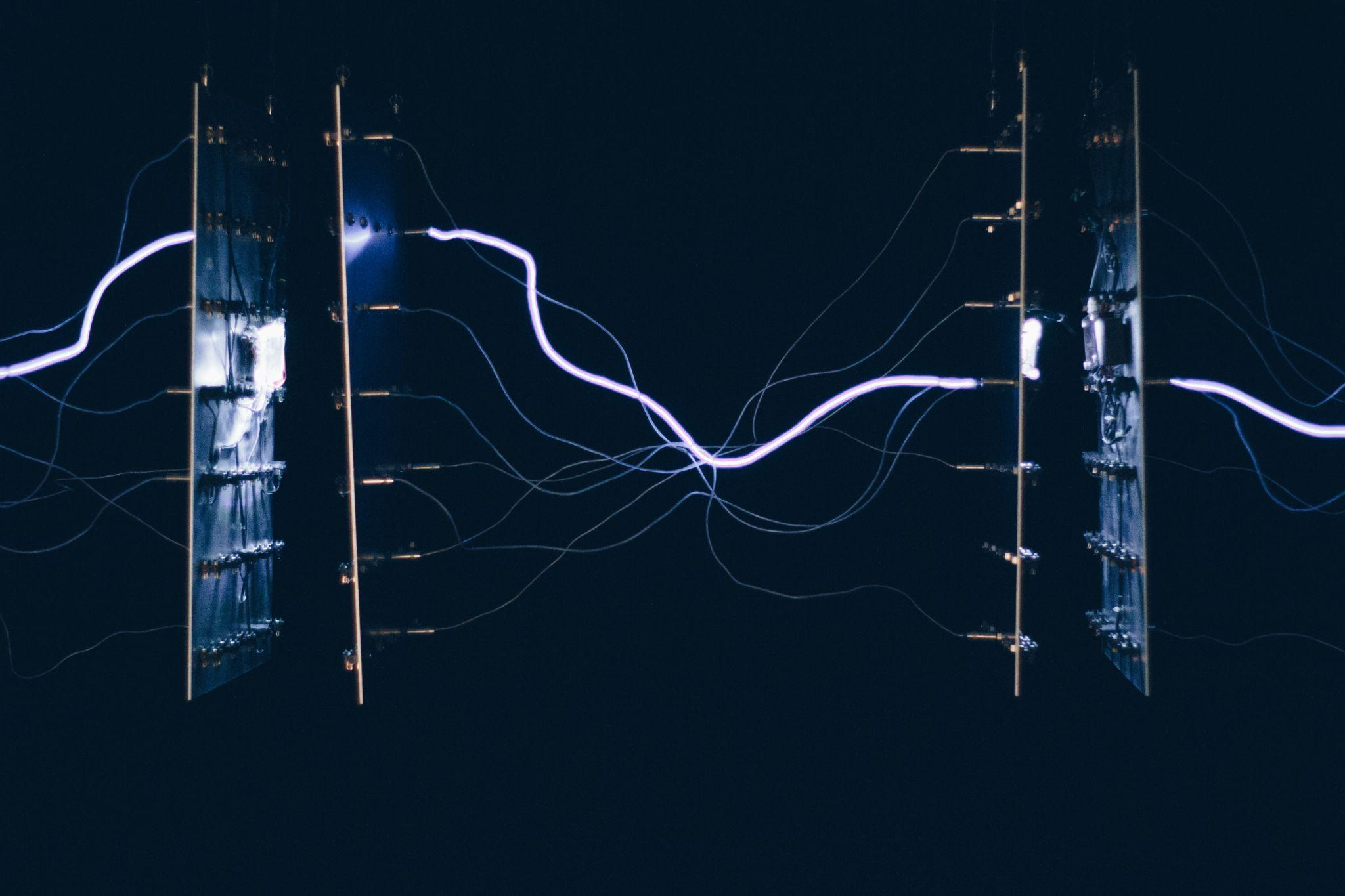
Every time a company launches a new app, trains an AI model, or expands a data center, it relies on something most people never see. Behind every digital system sits a physical layer that keeps power flowing, equipment stable, and operations online.
That foundation includes transformers, switchgear, and distribution systems that manage how electricity moves from the grid into critical environments.
In many modern facilities, especially those with indoor or sensitive operations, solutions like dry type transformers help keep power safe and reliable.
The Physical Side of Digital Innovation
Digital growth often feels abstract. Many conversations focus on software, cloud platforms, and data. Yet each of these systems depends on steady electrical power.
Data centers offer a clear example. They support cloud computing, streaming services, and artificial intelligence. Each server rack depends on stable voltage and clean power delivery. Even a short disruption can lead to downtime, data loss, or equipment damage.
This creates a strong link between electrical infrastructure and business performance. Companies invest in backup systems, redundancy planning, and modern equipment to keep operations running. As digital demand grows, the need for dependable power systems grows with it.
It also means that infrastructure decisions are no longer only technical. They are strategic. Reliable power supports uptime, protects revenue, and builds trust with customers who expect constant access to digital services.
Why Power Quality Matters?
Reliable electricity means more than keeping the lights on. Power quality affects how equipment performs over time.
Changes in voltage, poor load balance, or aging equipment can strain systems. This may lead to heat buildup, reduced efficiency, or sudden failure. In places like data centers or industrial sites, these risks can be costly and disruptive.
Modern transformer solutions help control voltage and support steady output. They also work well in indoor spaces, which helps facilities that need controlled conditions and limited risk.
Power quality also plays a role in long term maintenance. Stable systems reduce wear on equipment and help extend service life. This lowers replacement costs and improves overall reliability.
When teams plan for growth, they often review their electrical setup along with their digital systems. This helps ensure everything can scale without adding risk or complexity.
Supporting Fast Moving Industries
Several industries show how closely power infrastructure supports innovation.
Data centers and cloud providers continue to expand to meet demand. Each new site requires careful planning for power delivery, backup systems, and future capacity. These facilities often operate around the clock, which makes reliability essential.
Renewable energy projects also depend on strong distribution systems. Solar and wind power must move through transformers before reaching users. This step ensures energy flows at the right level and integrates smoothly into the grid.
Other sectors, such as advanced manufacturing and crypto operations, run at high loads for long periods. They depend on systems that can perform without interruption while managing heat and efficiency.
Logistics hubs and large warehouses also rely on steady power as automation increases. Conveyor systems, robotics, and tracking technology all require dependable electrical support.
Across these industries, the goal stays the same. Keep operations stable while meeting rising demand.
Designing for Flexibility and Speed
Timing is a common challenge. Projects move fast, and delays in equipment can slow progress or increase costs.
Access to transformers, switchgear, and related parts helps teams stay on track. Quick delivery options can support tight timelines and reduce downtime during upgrades or repairs.
Some facilities also need temporary setups during expansion phases. Rental equipment can fill gaps while permanent systems are installed. This approach allows operations to continue without major interruptions.
Flexibility also helps when plans change. Businesses may scale faster than expected or shift priorities. Having access to the right equipment at the right time makes it easier to adapt.
Planning for flexibility supports smoother growth. It also reduces stress during critical project phases.
Building for Safety and Simplicity
Safety plays a key role in electrical design. Many facilities operate in spaces where fire risk, airflow, and layout matter.
Some transformer types support safer indoor use by lowering fire risk and easing installation. This makes them a good fit for commercial buildings, data centers, and other controlled environments.
Simple installation and maintenance also matter. Equipment that is easy to inspect and service can reduce downtime and improve long term performance. Clear layouts and accessible components help teams respond quickly when issues arise.
In addition, modern facilities often aim to meet strict safety and compliance standards. Choosing the right equipment supports these goals and helps avoid future complications.
These practical factors often guide decisions as much as technical details.
Planning for Long Term Growth
Digital systems continue to evolve, and the demand for power will grow alongside them. Businesses that plan ahead can avoid common challenges and build more resilient operations.
This includes thinking about future capacity, not only current needs. Installing scalable systems makes it easier to expand without major redesigns. It also supports smoother upgrades as technology changes.
Regular maintenance and proactive monitoring also play a role. Identifying issues early can prevent costly failures and extend the life of key equipment.
Teams that take a long term view often see better results. They can balance performance, cost, and reliability in a way that supports ongoing growth.
The Overlooked Foundation of Growth
Digital transformation often highlights what users see. Apps improve, platforms grow, and services reach more people.
Behind the scenes, physical infrastructure supports that progress. Reliable power systems help businesses scale and operate with confidence.
As industries evolve, the link between digital systems and electrical infrastructure will keep growing. Companies that invest in both areas place themselves in a strong position to adapt, expand, and meet the demands of a connected world.
