

A high-quality viewing experience depends on how well a display handles detail, color, and motion. Modern screens now manage complex video signals with impressive accuracy, which allows viewers to enjoy content that looks closer to real life. This progress comes from new lighting systems and improved processing techniques that work together smoothly.
Many people now look for displays that can support advanced formats like high dynamic range and high frame rate content.
These formats require precise control of brightness, contrast, and color depth. This article explains how new display technologies meet these demands and what features help them deliver clear and vivid visuals.
Advanced Light Distribution for Accurate Picture Output
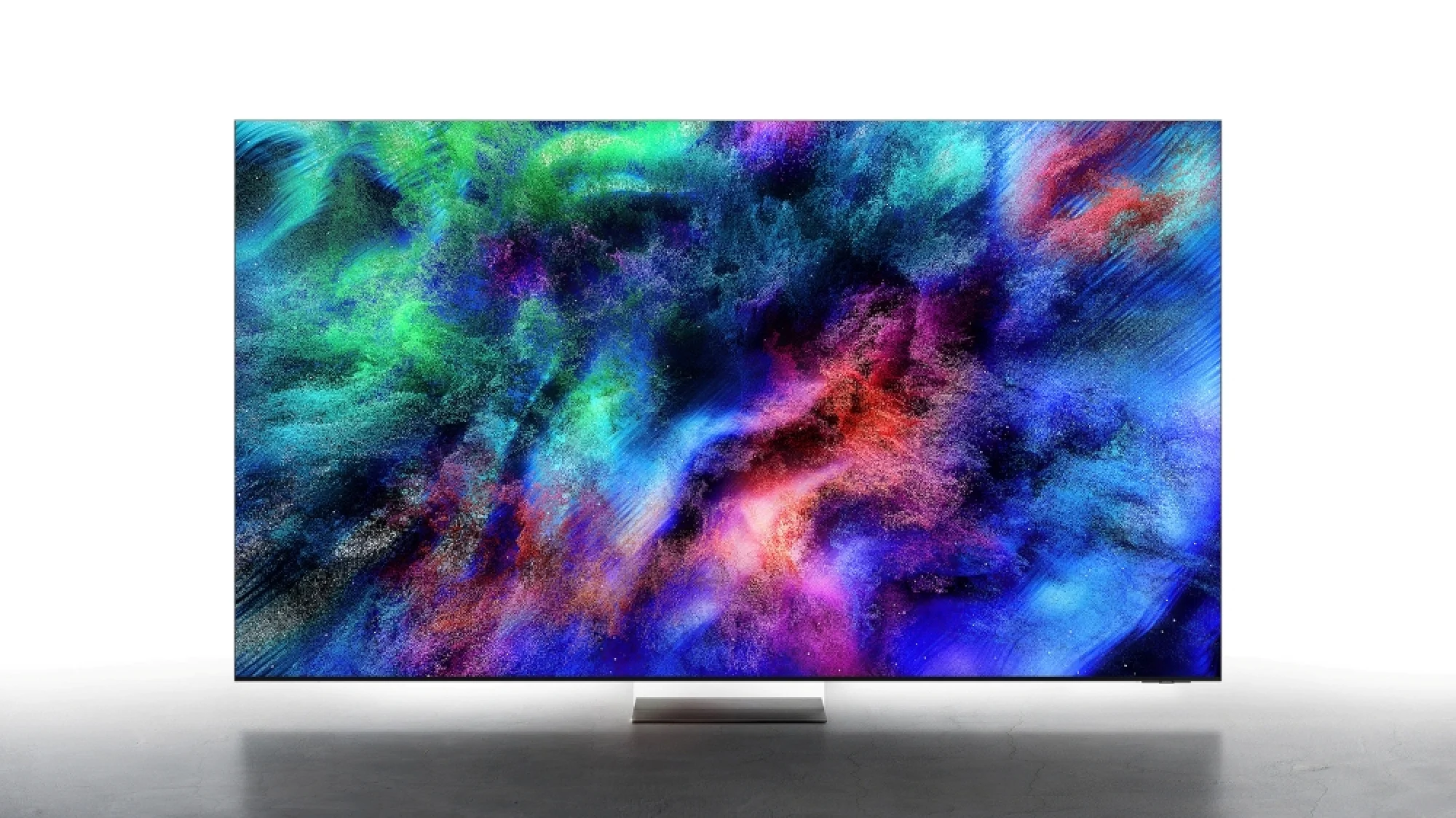
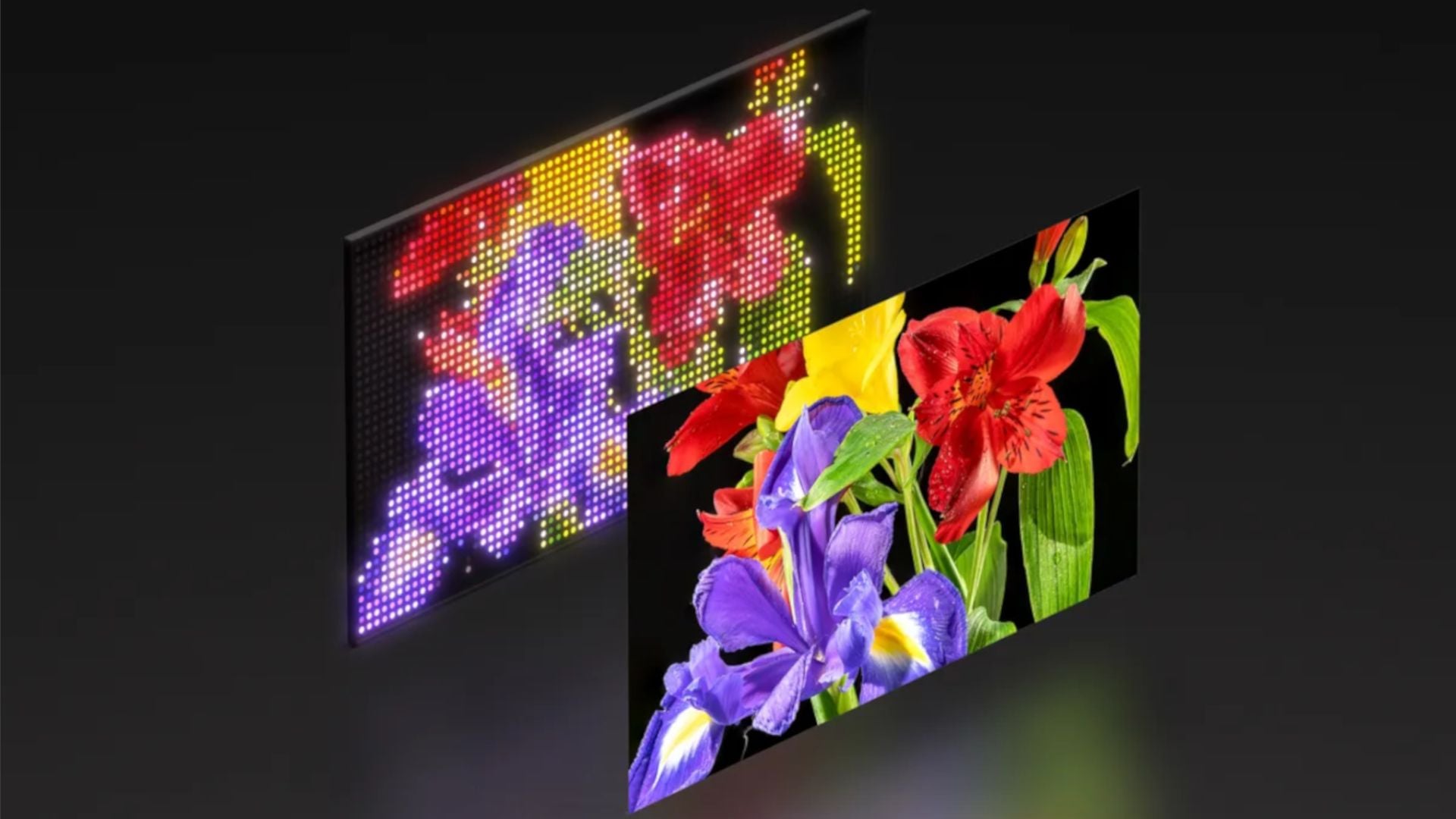
An RGB Mini LED TV uses a refined lighting structure that spreads illumination evenly across the panel. This design allows the screen to present consistent brightness levels without creating uneven patches or dull areas. As a result, each scene appears balanced, even when the content includes complex lighting conditions.
The system also separates red, green, and blue light sources to improve color precision. This setup helps the display produce vibrant tones while maintaining subtle differences between shades.
With this level of control, the screen can process advanced video formats that rely on accurate light and color interaction.
Powerful Processing Engines That Decode Complex Signals
Advanced formats require strong processing capabilities to interpret large amounts of data quickly. These televisions include dedicated processors that analyze each frame in real time. They adjust contrast, sharpen details, and enhance colors without causing delays or distortions.
The processor also supports various encoding standards, which ensure compatibility with modern content sources.
It can manage high-resolution video streams and maintain clarity even during fast-motion scenes. This ability helps viewers enjoy smooth playback without interruptions.
Enhanced Color Range and Depth
Color plays a key role in how realistic an image appears. These displays support a wide color range, which allows them to show more shades than traditional screens. This feature improves the overall viewing experience by making images look more natural and lifelike.
They also handle higher bit depth, which means smoother gradients and fewer visible color bands. This improvement becomes especially important when watching content with subtle lighting changes, such as sunsets or dim indoor scenes. The result is a more immersive and visually pleasing experience.
Key Features That Support Advanced Video Formats
Several features work together to ensure smooth and accurate playback of modern content:
- Local dimming zones that control brightness in specific areas
- High refresh rates that reduce motion blur
- Support for high dynamic range formats
- Efficient heat management for stable performance
- Fast response time for clear action scenes
These elements combine to create a display that handles complex video signals with precision and consistency.
Seamless Motion Handling and Frame Optimization
Smooth motion remains essential for an enjoyable viewing experience. These televisions use advanced techniques to manage fast-moving scenes without losing detail. They insert additional frames or adjust motion patterns to reduce blur and maintain clarity.
An RGB Mini LED TV also balances frame rates with content requirements. This approach ensures that action scenes appear fluid while slower scenes retain their natural look. By optimizing motion, the display maintains both accuracy and comfort for the viewer.
Modern display technology continues to raise expectations for picture quality and performance. With improved lighting systems, strong processing capabilities, and refined color control, these televisions deliver a detailed and engaging viewing experience.
Their ability to handle advanced formats ensures that viewers can enjoy content as it was meant to be seen, with clarity, depth, and vibrant visuals.
